

Selecting the right roofing sheet has become an essential step in India’s construction process, especially as buildings are increasingly exposed to diverse climatic pressures and evolving design expectations. With extreme temperatures, seasonal storms, heavy rainfall, and coastal humidity influencing structural performance and roofing materials. So, it must offer reliability, longevity, and architectural balance. The project may involve a residential home, a commercial establishment, an industrial facility, or an agricultural structure, the roof plays a defining role in its durability and comfort.
This article explores the key considerations that guide the selection of the most appropriate roofing sheets for your building, helping you make an informed and long-lasting choice.
Understanding Roofing Sheets
Roofing sheets form the principal protective layer of a structure, influencing both its strength and long-term performance in varying environmental conditions.
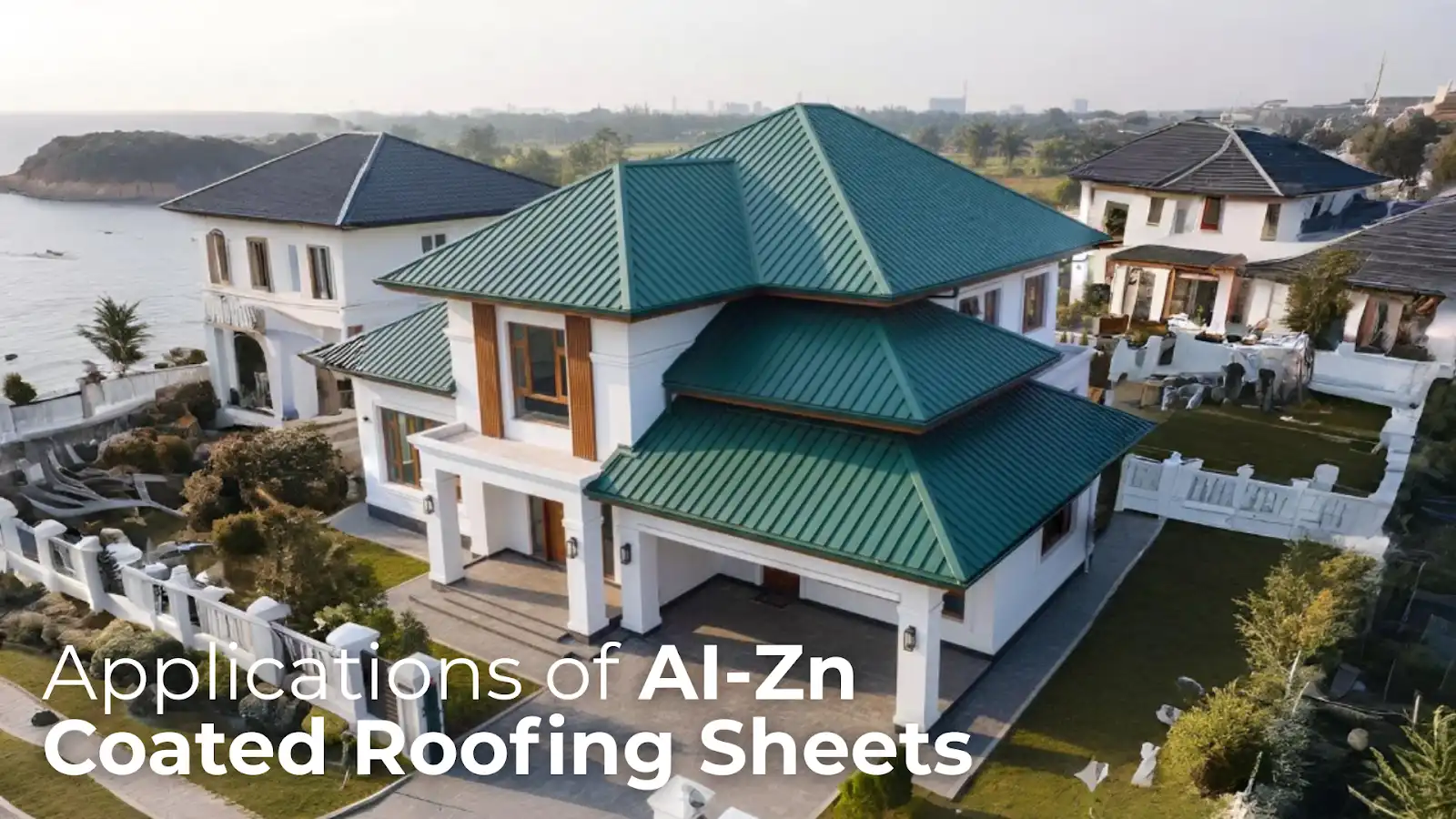
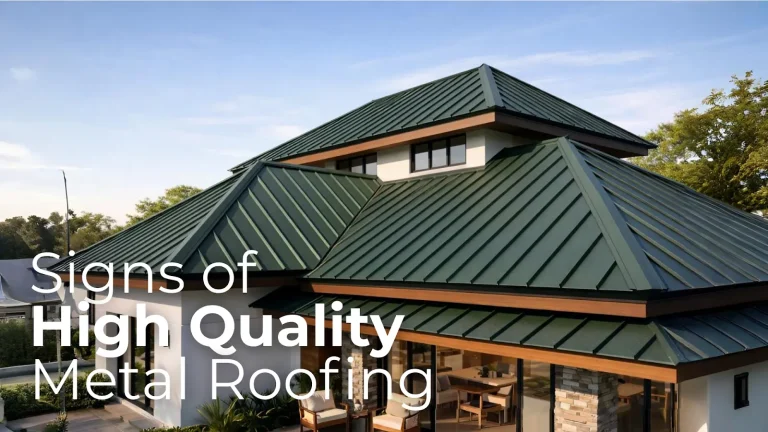
Modern roofing sheets are engineered using steel bases combined with advanced coatings and finishes that enhance stability, corrosion resistance, and visual quality. Options such as galvanised steel, Galvalume roofing sheet metal, and Al-Zn alloy coated roofing sheet deliver improved durability and protection against environmental elements.
The lightweight yet robust nature supports efficient installation, while their strength ensures resilience across a wide range of building types. These features make metal roofing sheets a dependable choice in contemporary Indian construction.
Key Factors to Consider Before Selecting a Roofing Sheet
Each building has specific requirements, and the correct roofing sheet must align with its purpose, environmental exposure, and long-term performance expectations.
-
Local Climate & Environmental Exposure
Climate plays a decisive role in determining the suitability of roofing materials. Buildings in hot or humid climates require sheets with strong heat-reflective capabilities and resilient anti-corrosion coatings. In regions with heavy rainfall or high winds, roofing sheets must offer firm tensile strength and secure interlocking profiles to prevent leakage or uplift. Areas exposed to intense sunlight require colour-coated roofing sheets with UV-resistant finishes to maintain long-term performance. Selecting materials based on local climate ensures protection, stability, and reduced maintenance requirements.
-
Building Type & Purpose
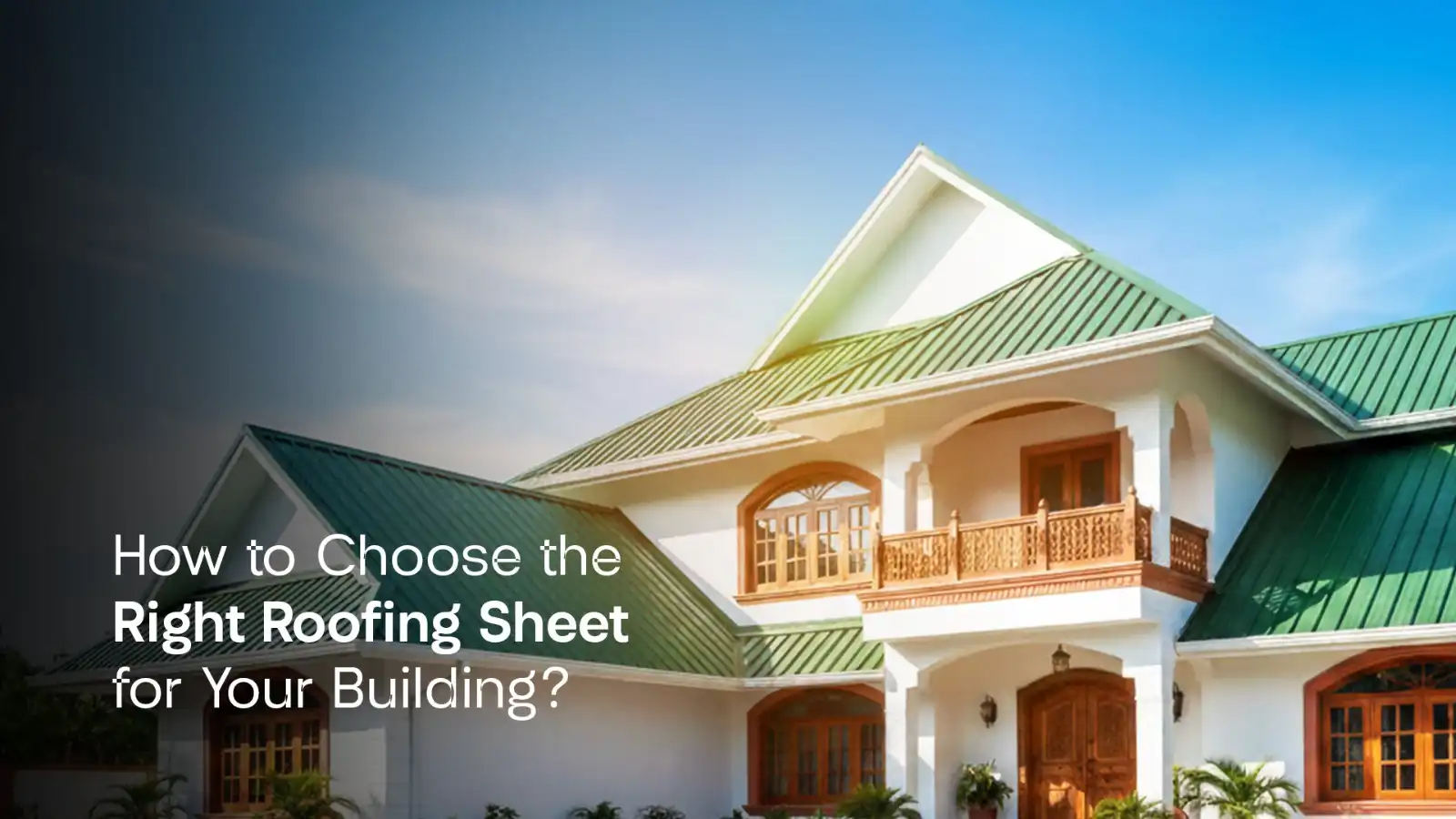
The purpose of the building strongly influences the performance expectations from a roofing sheet. Residential structures often prioritise comfort, durability, and architectural coherence. This preference makes colour-coated roofing sheets a fitting choice. Commercial buildings require materials that maintain visual consistency while supporting long spans and daily exposure.
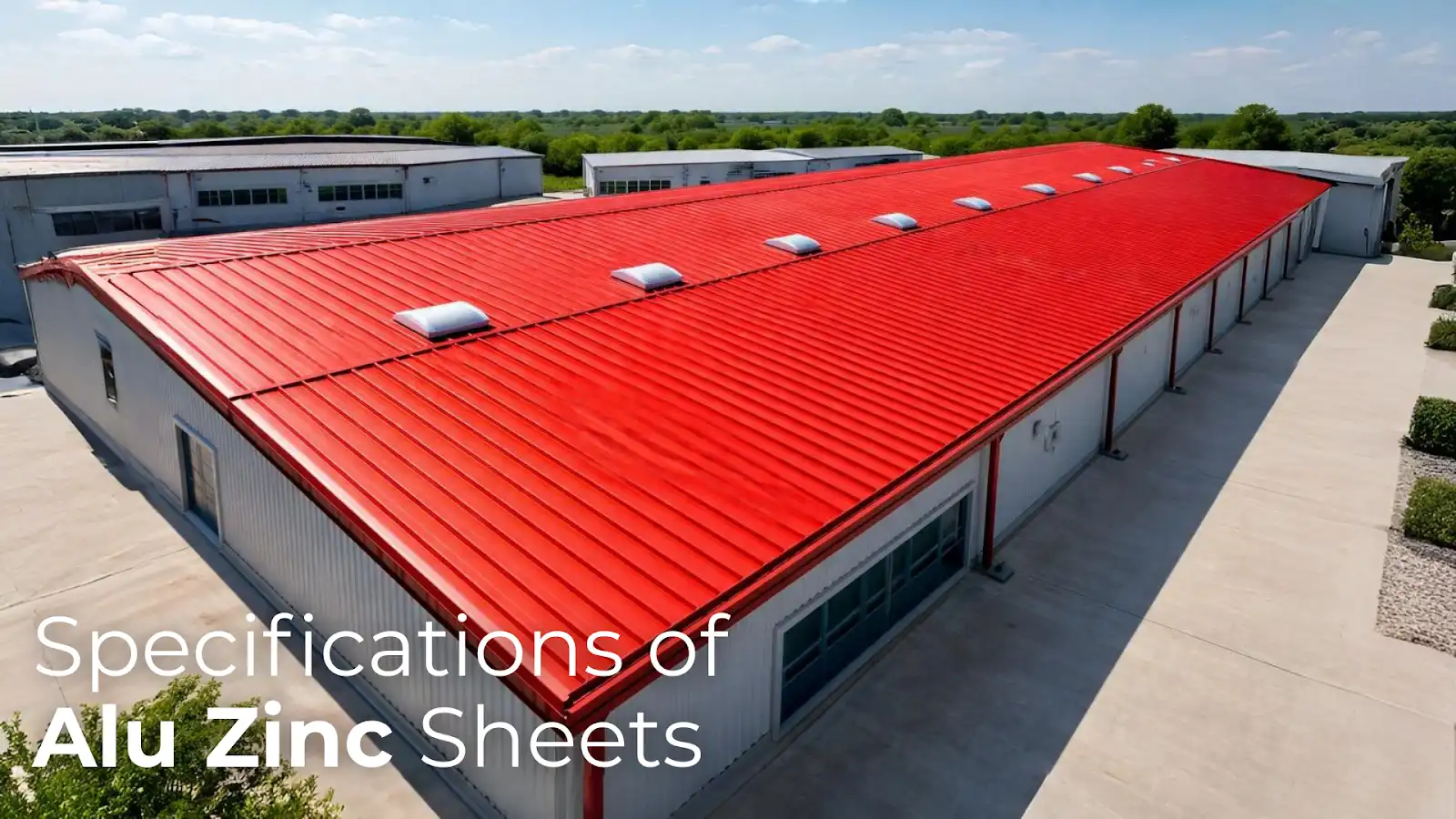
Industrial facilities benefit from roofing materials that manage heat, resist corrosion, and endure operational environments. Building function affects the required sheet thickness, coating level, and profile design, ensuring alignment with structural and operational needs. -
Material Strength & Durability Expectations
Strength and durability determine how well a roofing sheet performs under environmental pressure and structural load. Metal roofing sheets must stick to tensile strength standards to resist bending, warping, and wind force. Coating quality is essential, as it protects the surface from moisture, pollutants, and oxidation. Appropriate sheet thickness enhances load-bearing capacity and long-term stability. Investing in durable materials reduces the need for repairs and ensures consistent structural protection.
-
Aesthetic Requirements & Design Compatibility
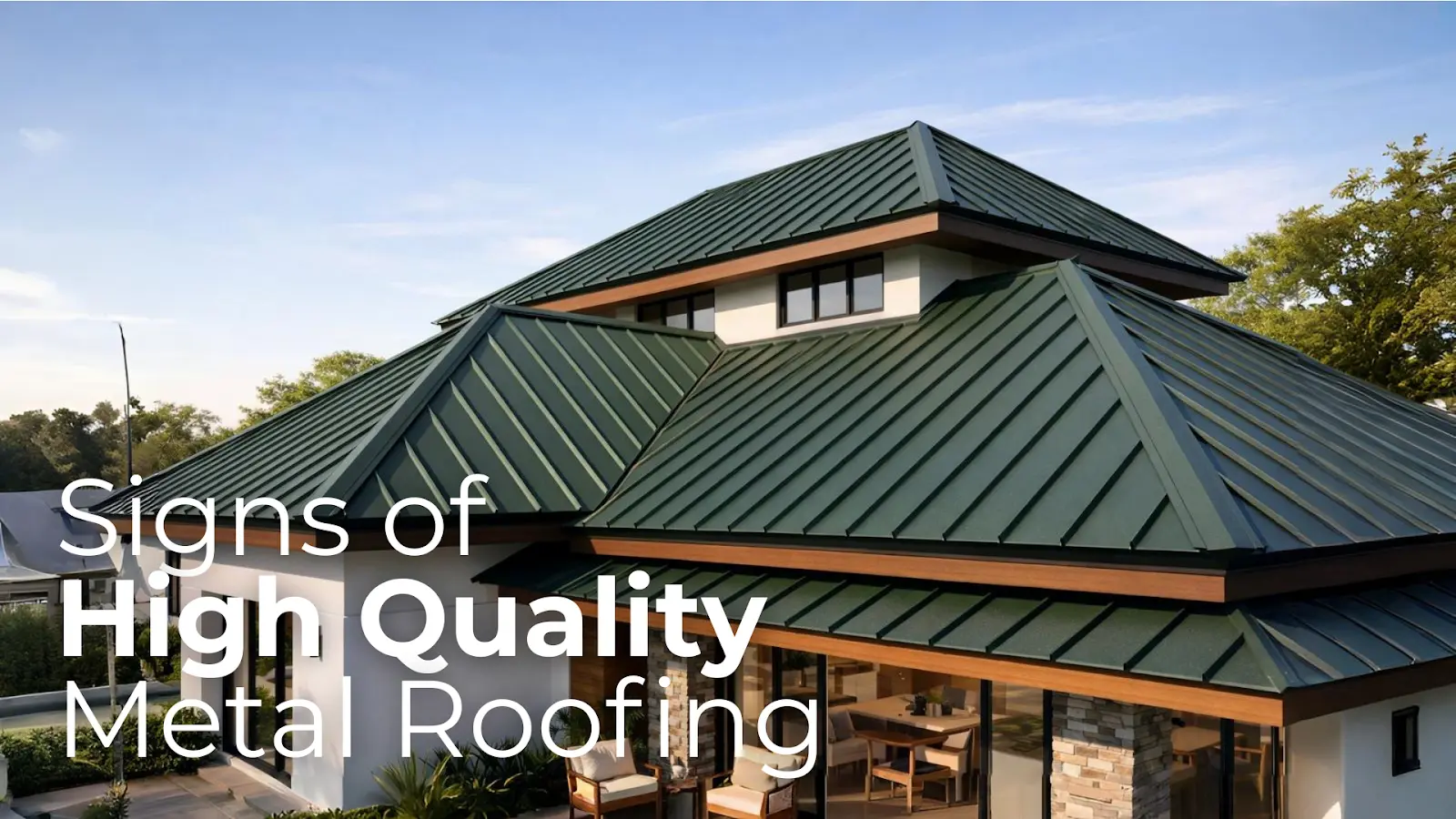
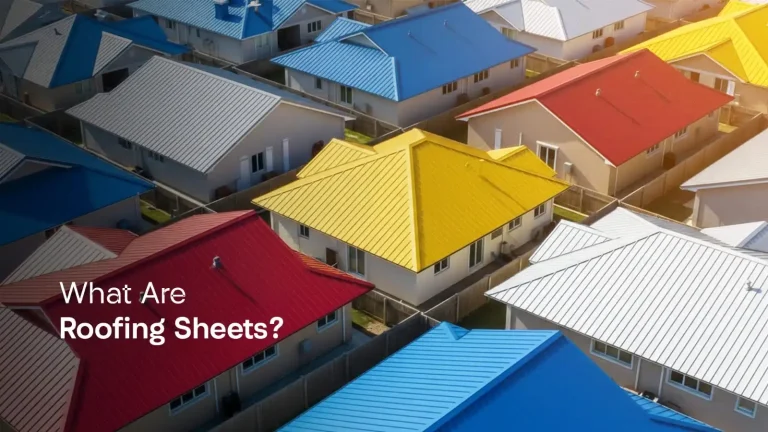
A building’s visual character depends significantly on its roof. Colour-coated roofing sheets offer a broad palette of shades, including heat-reflective options that support thermal comfort. Their UV-resistant finishes help maintain colour uniformity. The profile of the roofing sheet also influences installation and aesthetic alignment. Selecting a roofing sheet that complements architectural style ensures that the building maintains a cohesive appearance while benefiting from functional performance.
-
Budget & Long-Term Value
Budget plays an important role in material selection, but long-term value is a more reliable indicator of true cost efficiency. Lower-cost materials may provide short-term savings but often require frequent maintenance or replacement. Considering the cost from a lifecycle perspective allows property owners to select roofing materials that offer sustained value.
Common Mistakes to Avoid When Selecting Roofing Sheets
Being aware of common selection errors helps ensure that the chosen roofing material meets the necessary performance, durability, and safety standards.
-
Choosing Based Only on Cost
Selecting roofing materials solely based on price often results in reduced durability and inadequate coating strength. Such choices may lead to early corrosion, deformation, or reduced lifespan, increasing long-term maintenance costs.
-
Overlooking Coating & Thickness Requirements
Coating thickness and sheet gauge significantly influence roofing performance. Inadequate thickness reduces load-bearing ability, while thin or low-quality coatings accelerate rust formation and surface damage.
-
Selecting Non-Certified Products
Non-certified roofing materials may lack the required structural and safety standards. Choosing certified products from established manufacturers ensures consistent quality, longevity, and compliance with industry expectations.
Conclusion
Choosing the correct roofing sheets is essential for ensuring long-term structural performance, architectural refinement, and environmental resilience. With India’s varied climatic conditions and the distinct requirements of residential, commercial, industrial, and agricultural structures, selecting materials is crucial.
As roofing materials continue to evolve, advancements in coating technology, anti-corrosion solutions, and design innovation offer enhanced performance and longer service life. Choosing roofing sheets from credible manufacturers ensures dependable performance, long-term value, and a roofing solution capable of supporting the building for many years.