

The Role of Colour Coated Roofing in Sustainable Building Practices
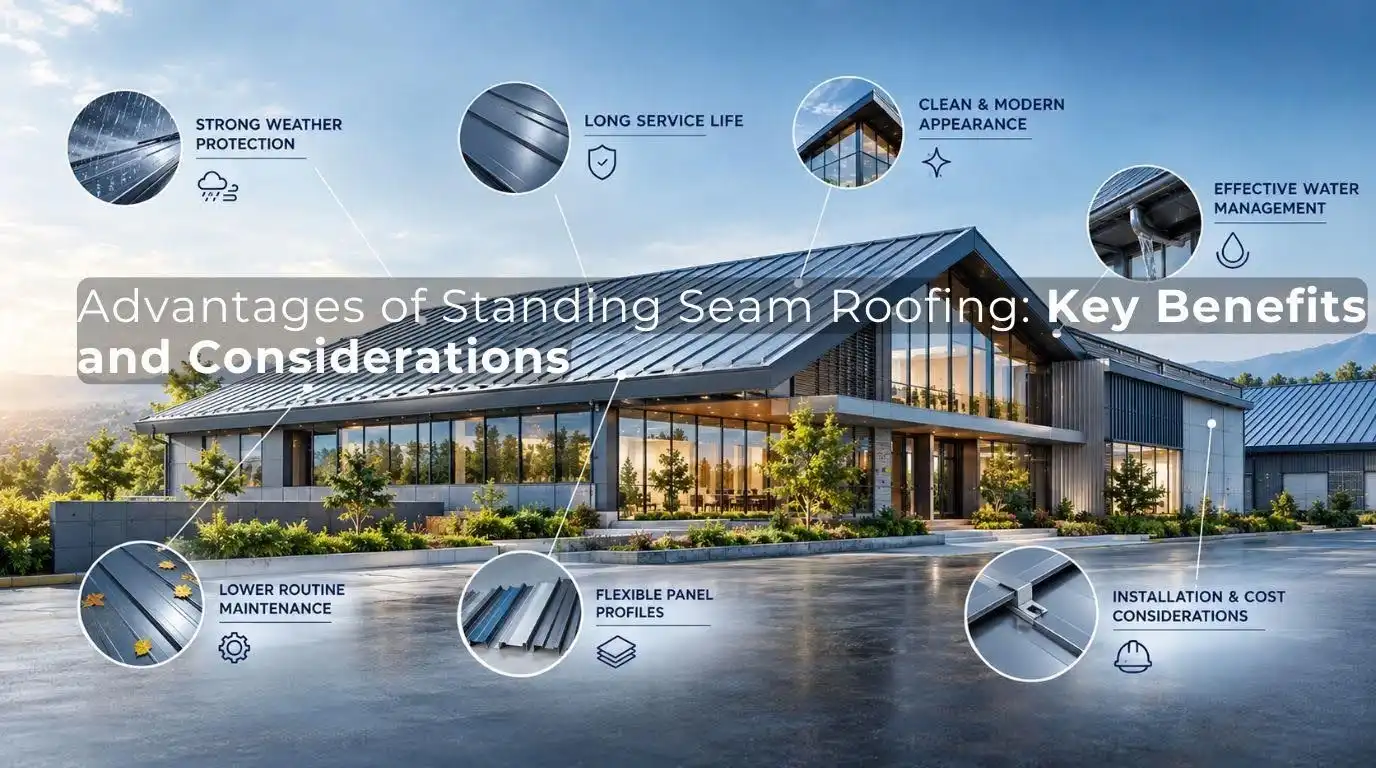
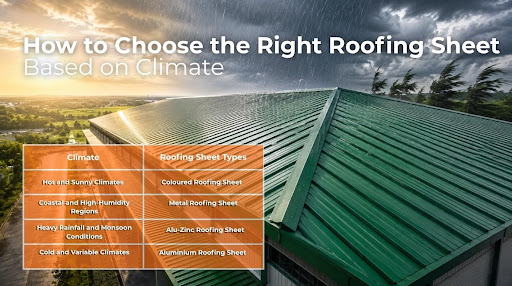
Sustainable building practices are becoming increasingly essential in the construction industry. As architects and developers seek ways to minimize environmental impact, colour coated roofing sheet has emerged as a practical and effective solution. Not only does it enhance the aesthetic appeal of structures, but it also contributes significantly to energy efficiency and environmental sustainability.
1. Energy Efficiency
Colour coated roofing is specifically designed to reflect solar radiation, reducing heat absorption and lowering indoor temperatures. This cooling effect can significantly decrease the need for air conditioning, thereby cutting down on energy consumption and utility costs. Modern coatings use infrared-reflective pigments that maximize thermal regulation without sacrificing visual appeal.
2. Durability and Longevity
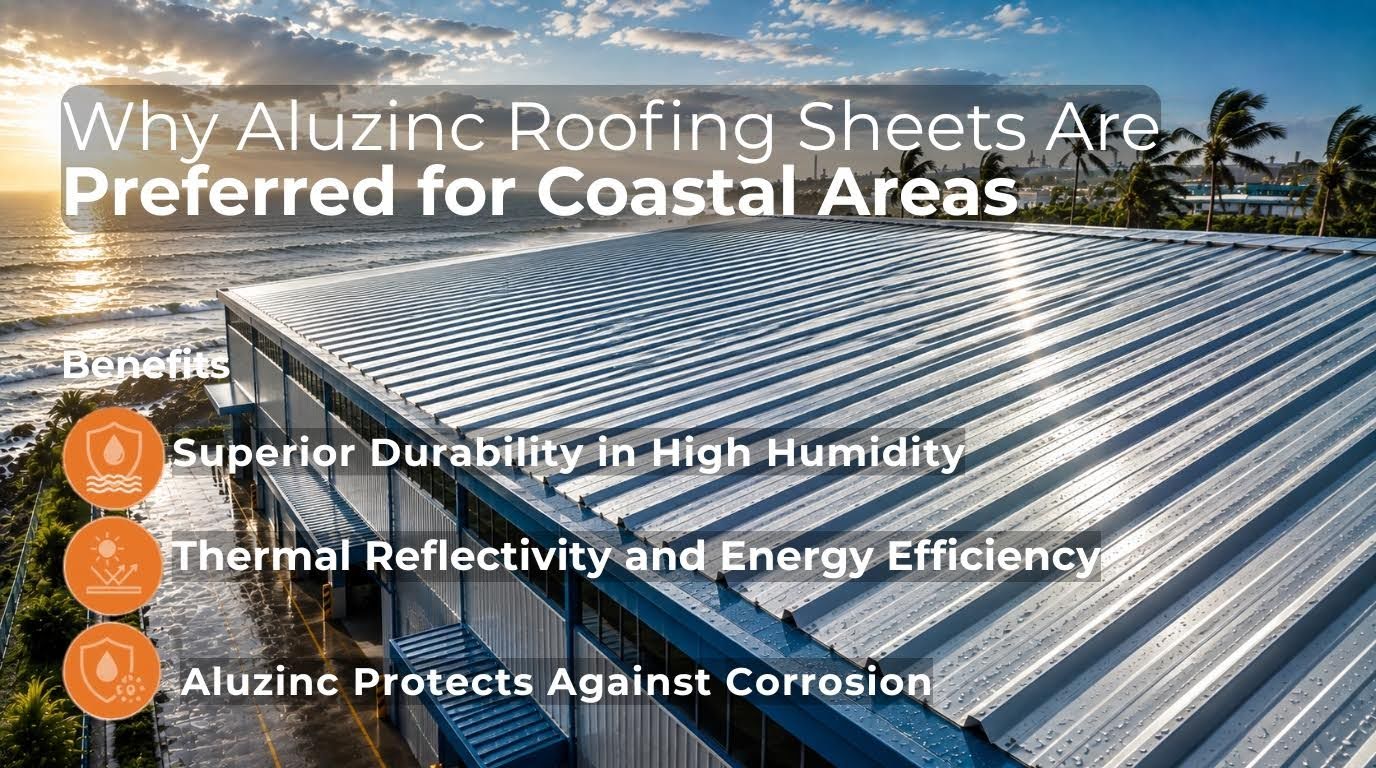
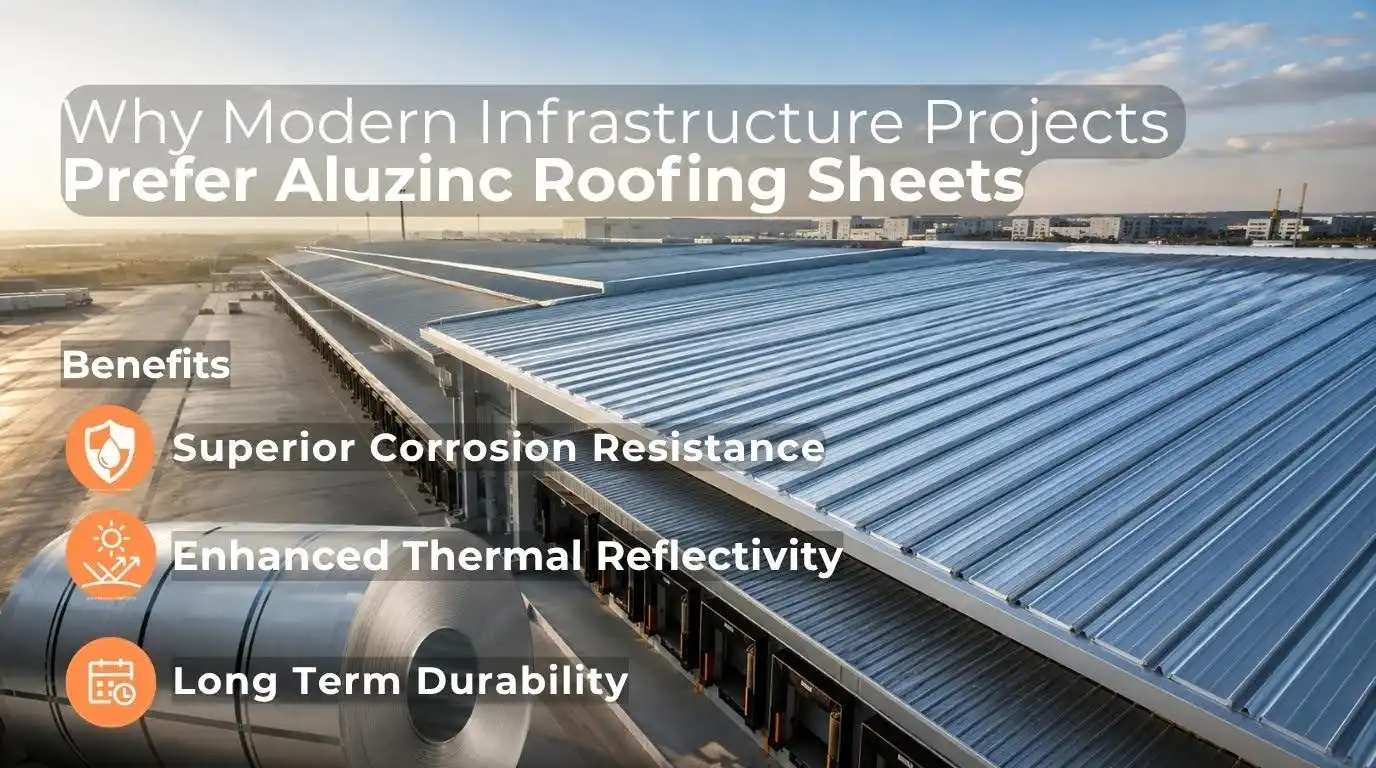
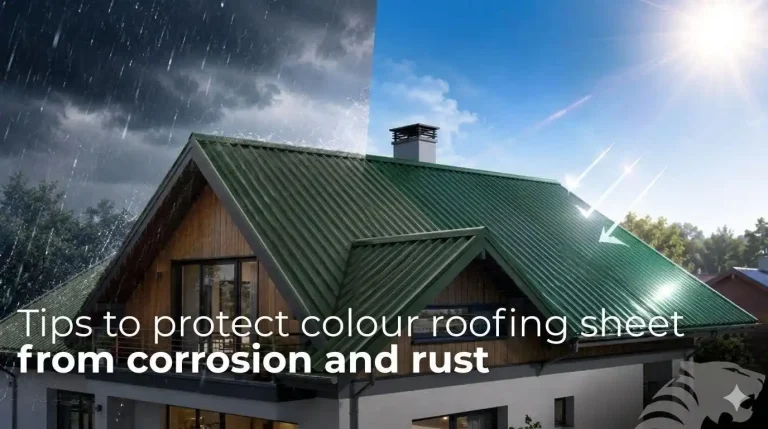
These roofing systems are treated with protective coatings to resist corrosion, weathering, and UV damage. This extends the roof’s lifespan, reducing the need for repairs and replacements. Some coatings even incorporate self-cleaning properties, maintaining the roof’s appearance and reflective capabilities over time.
3. Environmental Impact
Many colour coated roofing products are made using recycled materials, reducing the demand for raw resources. Additionally, low-VOC (volatile organic compounds) formulations are increasingly used, promoting healthier indoor air quality. Some systems are also designed to be fully recyclable at the end of their lifecycle, minimizing landfill waste.
4. Aesthetic Flexibility
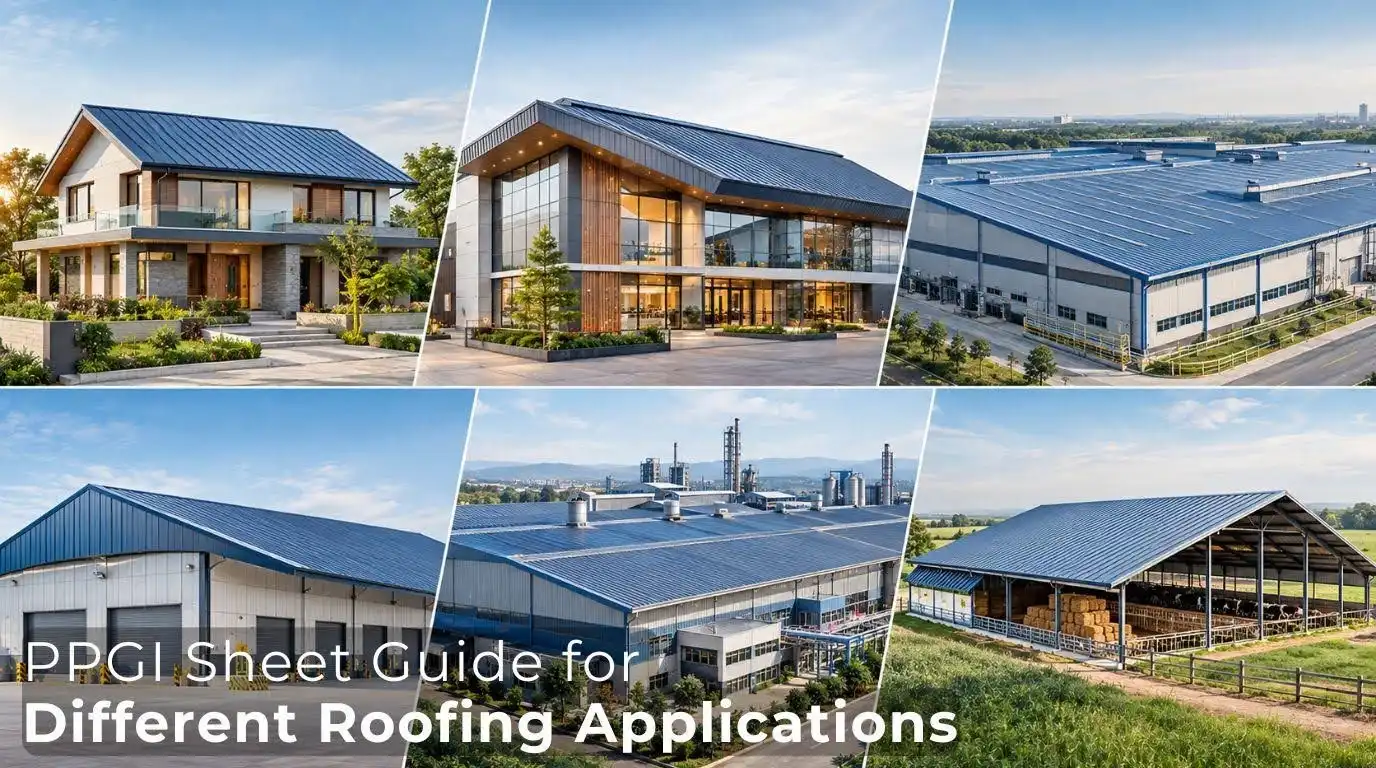
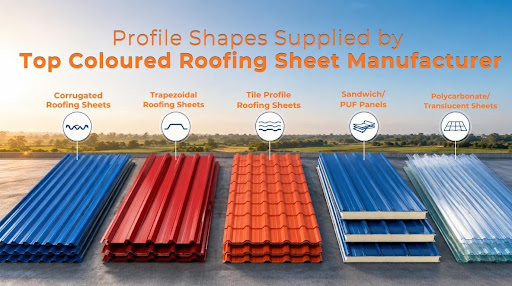
Colour coated roofing is available in a variety of colors and finishes, allowing builders to align roofing designs with brand identity or architectural themes. This not only enhances curb appeal but also allows for energy-efficient designs that do not compromise on aesthetics.
Conclusion
Color-coated roofing plays a crucial role in sustainable building practices by enhancing energy efficiency, promoting durability, and reducing environmental impact. As the demand for sustainable construction continues to grow, integrating these roofing systems into building designs can provide both functional and environmental benefits.
Written and Verified by:

SEL Tiger
Bio: SEL Tiger Roofing Sheets manufactures roofing sheets using advanced technology for industrial, commercial and domestic requirements. SEL Tiger Roofing Sheets supplies colour coated and Alu-Zinc coated sheets that offer superior strength, weather resistance, corrosion resistance and long-lasting value for every project.