

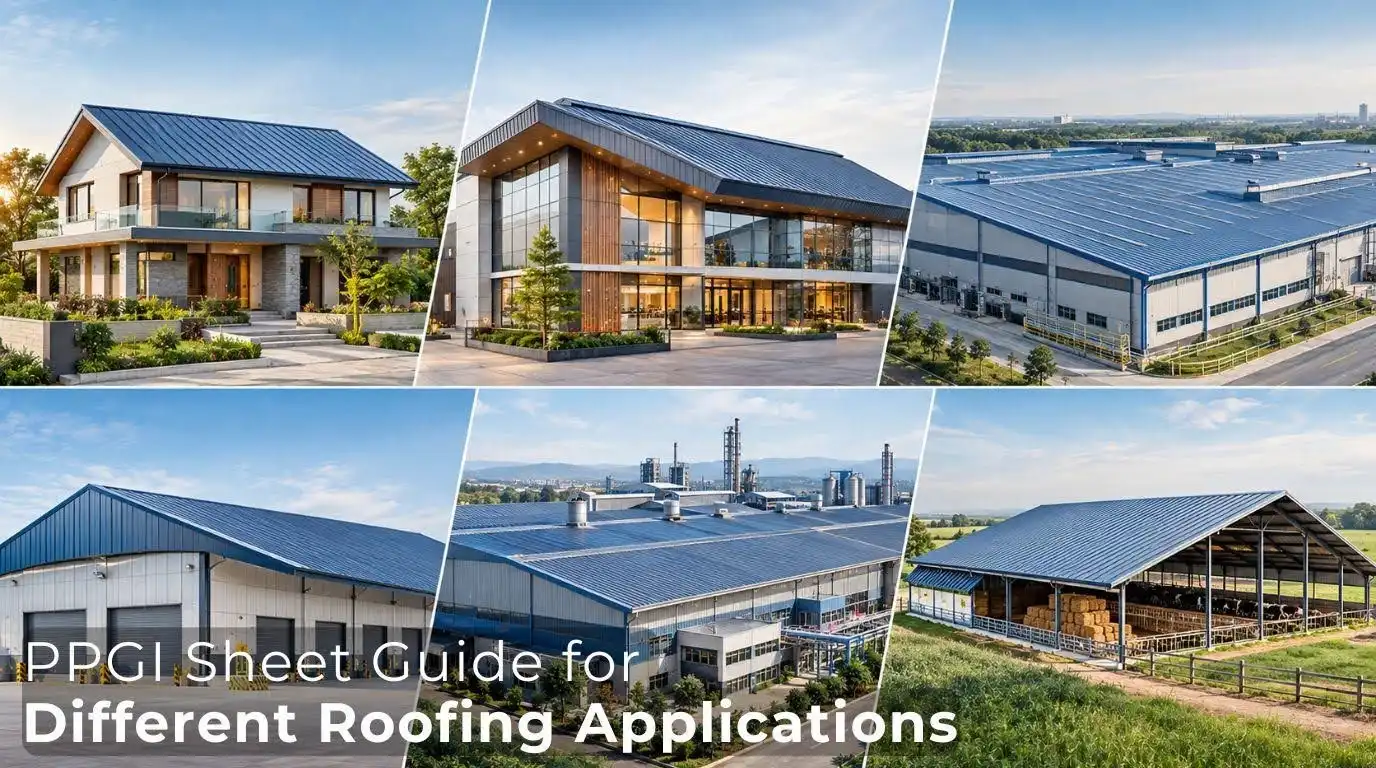
Choosing a roof usually starts with a simple question: which material will work well for the building? A home, shop, and factory will not all need the same thing. PPGI Sheet is one option that people consider because it offers a coloured finish and protection against rust. But buying the right panel involves more than picking a shade. The roof’s location, size, and daily use all matter.
What is a PPGI Sheet?
PPGI stands for pre-painted galvanised iron. Manufacturers make these panels from steel with a zinc coating. They then add a layer of paint to the surface. The zinc helps protect the steel from corrosion. The paint gives the panel its colour and adds another layer of protection. Together, these features make PPGI a useful choice for many buildings.
You will find pre-painted galvanized iron sheets in different thicknesses, profiles, and colours. Some have a traditional corrugated shape. Others have a more angular profile. The right option depends on the roof design and the conditions at the site.
PPGI Sheets for Residential Roofing
A house roof needs to keep rain out and handle regular exposure to sunlight. It should also complement the appearance of the property. PPGI sheets for residential roofing can suit homeowners who want a finished metal roof in a colour of their choice. Grey, blue, green, and other shades give people room to match the roof with the walls. The local climate should guide the purchase. A coastal home may need better corrosion protection because salty air can affect metal. A house in a hot area may benefit from a light-coloured roof and insulation. Rain noise deserves some thought, too. Metal can sound loud during heavy rain. Insulation may help make the rooms quieter and more comfortable.
PPGI Sheets for Commercial Roofing
Shops, offices, and schools need roofs that look presentable and protect the building. Business owners may also want installation work to cause as little disruption as possible. PPGI sheets for commercial roofing can suit these requirements when the material matches the building’s design. The coloured finish gives the roof a neat appearance without needing a separate painting job. Think about the features that will sit on the roof. Gutters, vents, skylights, and service equipment all need careful planning. A clear layout can help the installer avoid unnecessary cutting. If workers need regular access, discuss safe walkways before installation. A roof may look strong, but unsupported panels can suffer damage when people walk on them.
PPGI Sheets for Industrial Roofing
Industrial buildings often cover large areas. Their roofs may face heat, dust, moisture, and fumes from production activities. PPGI sheets for industrial roofing should suit the structure and the environment. The panel thickness, profile, and coating all deserve attention.A dry storage facility may have different requirements from a unit that handles chemicals. Ask the supplier whether the paint system suits the substances present at the site. Ventilation matters in these buildings. Heat and moisture can collect beneath the roof when air cannot move freely. Proper planning can help reduce condensation and improve the indoor environment.
PPGI Sheets for Warehouse Roofing
A warehouse roof protects the goods stored inside. Those goods might include cartons, machinery, food, or electronic equipment. PPGI sheets for warehouse roofing can cover large spaces when the roof design provides suitable drainage and support. The choice should also reflect what the warehouse stores. A facility in a hot region may need insulation to help control indoor temperatures. A warehouse storing sensitive products may require additional temperature management. Long panels can reduce the number of joints, but the installer must consider the roof dimensions and handling requirements. The roof should also have properly planned gutters and downpipes.
PPGI Sheets for Factory Roofing
Factories need roofs that fit around their daily operations. Vents, machinery, maintenance work, and heat can all affect the design. PPGI sheets for factory roofing can provide a practical covering when the material suits the working conditions. A factory that produces heat may need better ventilation and insulation. A facility that handles chemicals may need a coating designed for that environment.
PPGI Sheets for Agricultural Buildings
Farm buildings face dust, moisture, and changing temperatures. Barns, equipment sheds, and poultry houses may also come into contact with fertilisers or cleaning products. PPGI sheets for agricultural buildings can suit these structures when the coating matches the surroundings. Ventilation becomes especially important in buildings that house animals. Farm owners should check the roof occasionally. Dirt and leaves can collect around joints and gutters. Removing debris helps prevent moisture from sitting against the surface.
Conclusion
A PPGI roof can work for homes, shops, factories, warehouses, and farm buildings. The right choice depends on the conditions the roof will face. Look beyond colour and price. Check the coating, thickness, profile, and installation requirements. With sensible planning and regular care, you can choose a roof that suits your building and its everyday needs.
Written and Verified by:

SEL Tiger
Bio: SEL Tiger Roofing Sheets manufactures roofing sheets using advanced technology for industrial, commercial and domestic requirements. SEL Tiger Roofing Sheets supplies colour coated and Alu-Zinc coated sheets that offer superior strength, weather resistance, corrosion resistance and long-lasting value for every project.