

Coastal regions are among the most demanding environments for any roofing system. Continuous exposure to salt-laden air, high humidity, strong winds, and seasonal rainfall creates conditions that can quickly degrade conventional materials. Selecting the right roofing material is essential for long-term performance for homeowners, builders, and industrial planners working in these areas.
Aluzinc roofing sheets for coastal areas have become a widely preferred solution due to their advanced alloy coating and consistent durability. These sheets are designed to withstand harsh environmental exposure while maintaining structural integrity and appearance.
This article explores why Al-Zinc roofing sheets are ideal for coastal regions and how they outperform traditional alternatives.
Why Al-ZInc Roofing Sheets are Ideal for Coastal Regions
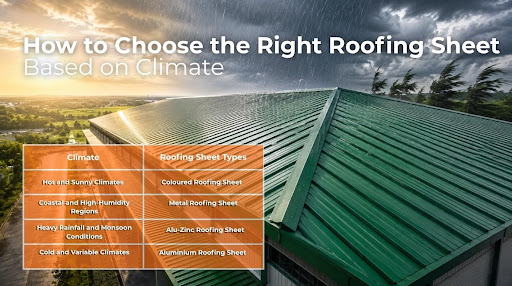
Coastal construction requires materials that can perform reliably despite constant exposure to moisture and salt. Al-ZInc roofing sheets are specifically manufactured to handle these conditions, which offers a combination of protection and strength and long-term efficiency.
-
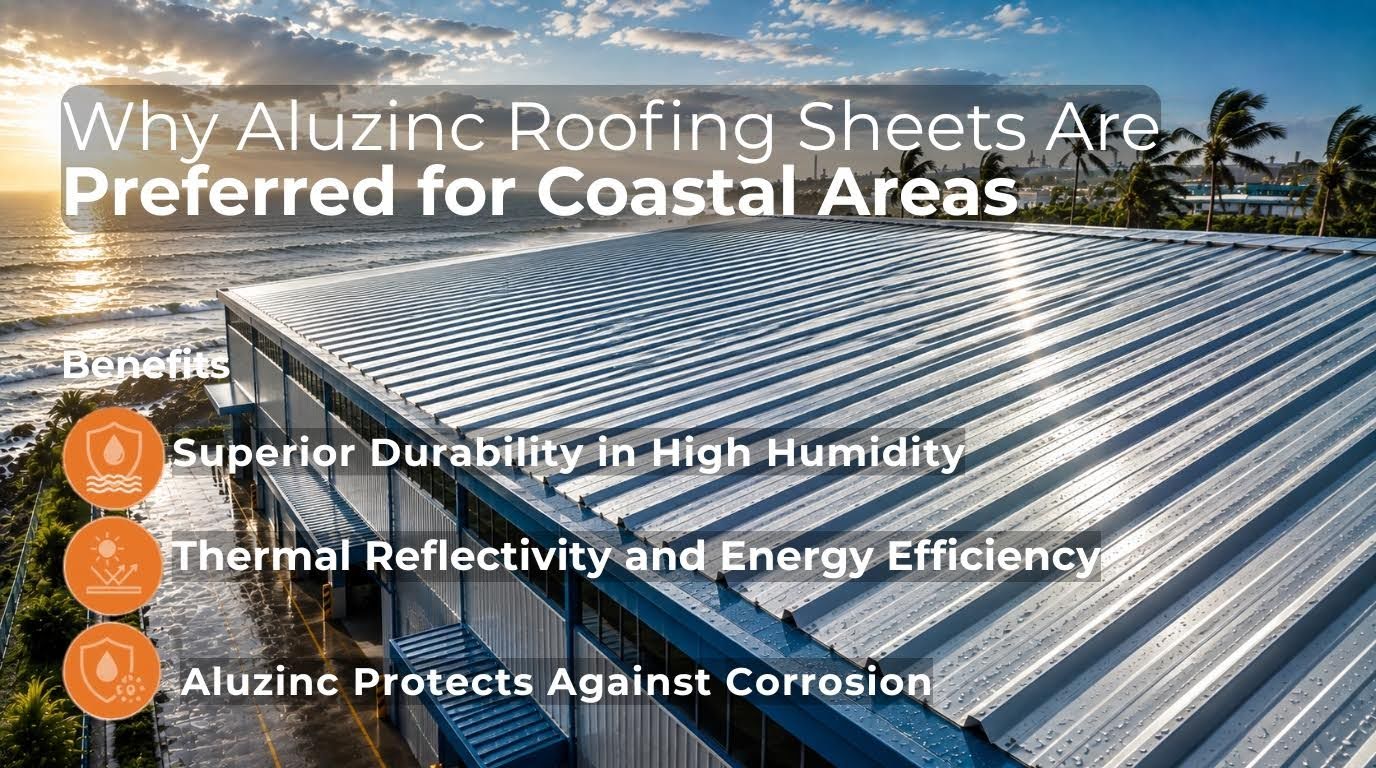
Aluzinc Protects Against Corrosion
A key reason aluAluzinc roofing benefits in coastal regions zinc sheets for coastal regions are widely used is their ability to resist corrosion effectively. The coating is made from a blend of aluminum and zinc creating a protective layer over the steel base. This dual-action mechanism ensures that the roofing sheet remains durable and stable even in highly corrosive coastal conditions. Learn more about the specifications of aluminium zinc coated sheet.
-
Resistance to Salt-Laden Air
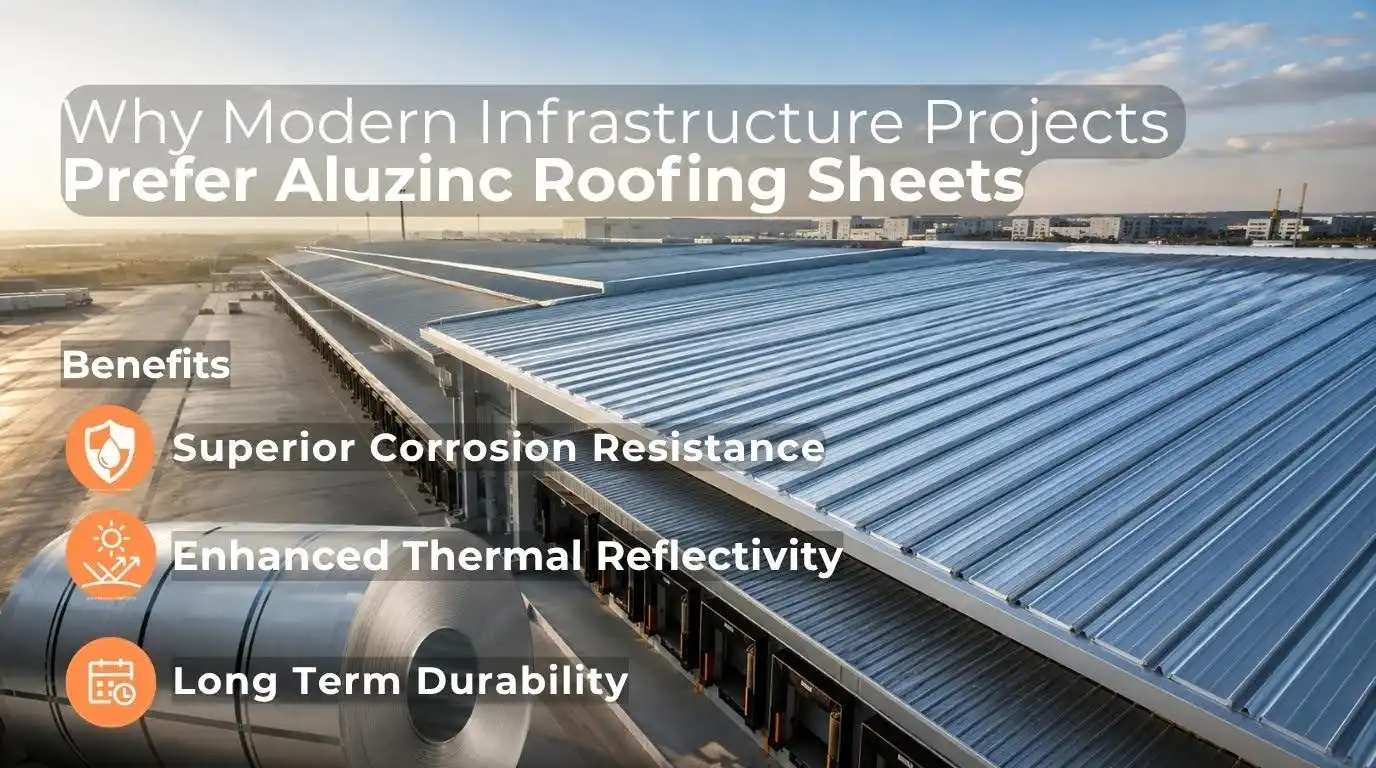
Salt particles present in coastal air accelerate corrosion in many traditional roofing materials. Corrosion resistant roofing sheets like Aluzinc are designed to minimize this impact. The alloy coating reduces direct interaction between salt and the metal surface. This makes aluzinc roofing sheets for coastal areas a reliable choice for buildings located near the sea.
-
Superior Durability in High Humidity
High humidity levels can cause moisture accumulation. This can lead to oxidation and material degradation. Al-Zince roofing sheets are developed to perform consistently in such environments. Their protective coating prevents moisture from penetrating the surface, ensuring durability even in prolonged humid conditions. This makes them one of the best roofing sheets for coastal areas.
-
Thermal Reflectivity and Energy Efficiency
Coastal climates often experience a combination of heat and humidity increasing indoor discomfort. Aluzinc roofing sheets help address this issue through their reflective properties. These sheets reduce heat absorption and help maintain cooler indoor conditions. This contributes to improved energy efficiency and reduced dependence on cooling systems.
-
Lightweight and Structural Strength
Aluzinc sheets for coastal regions are relatively lightweight despite their durability. This simplifies handling during installation and reduces the load on the supporting structure. At the same time they provide high tensile strength which allow them to resist strong coastal winds and environmental stress without compromising performance.
-
Consistent Performance Over Time
Long-term reliability is a critical requirement for coastal construction. include consistent performance over extended periods with minimal deterioration. Their ability to resist corrosion and maintain structural strength ensures that the roofing system continues to perform effectively. It helps to reduce the need for frequent repairs or replacements.
Aluzinc vs GI Sheets for Coastal Areas
The differences between Aluzinc vs GI sheets for coastal areas become clear when considering durability and resistance to environmental exposure. GI sheets rely primarily on a zinc coating, which can gradually degrade when exposed to salt and moisture.
Key differences include:
- Improved corrosion resistance with Aluzinc sheets
- Longer lifespan in coastal environments
- Better thermal reflectivity
- Lower maintenance requirements
Due to these advantages, Aluzinc is often considered the best metal roofing for coastal conditions.
Maintenance Tips for Aluzinc Roofing Sheet
Although aluzinc roofing sheets for coastal areas require relatively low maintenance, regular care helps ensure consistent performance and appearance.
Important maintenance practices include:
- Cleaning the surface periodically to remove salt deposits and debris
- Inspecting for scratches or minor coating damage
- Ensuring proper drainage to prevent water accumulation
- Checking fasteners and joints for stability
Following these maintenance tips for aluzinc roofing sheet systems helps extend their lifespan and maintain their protective properties.
Applications of Aluzinc Roofing Sheets in Coastal Areas
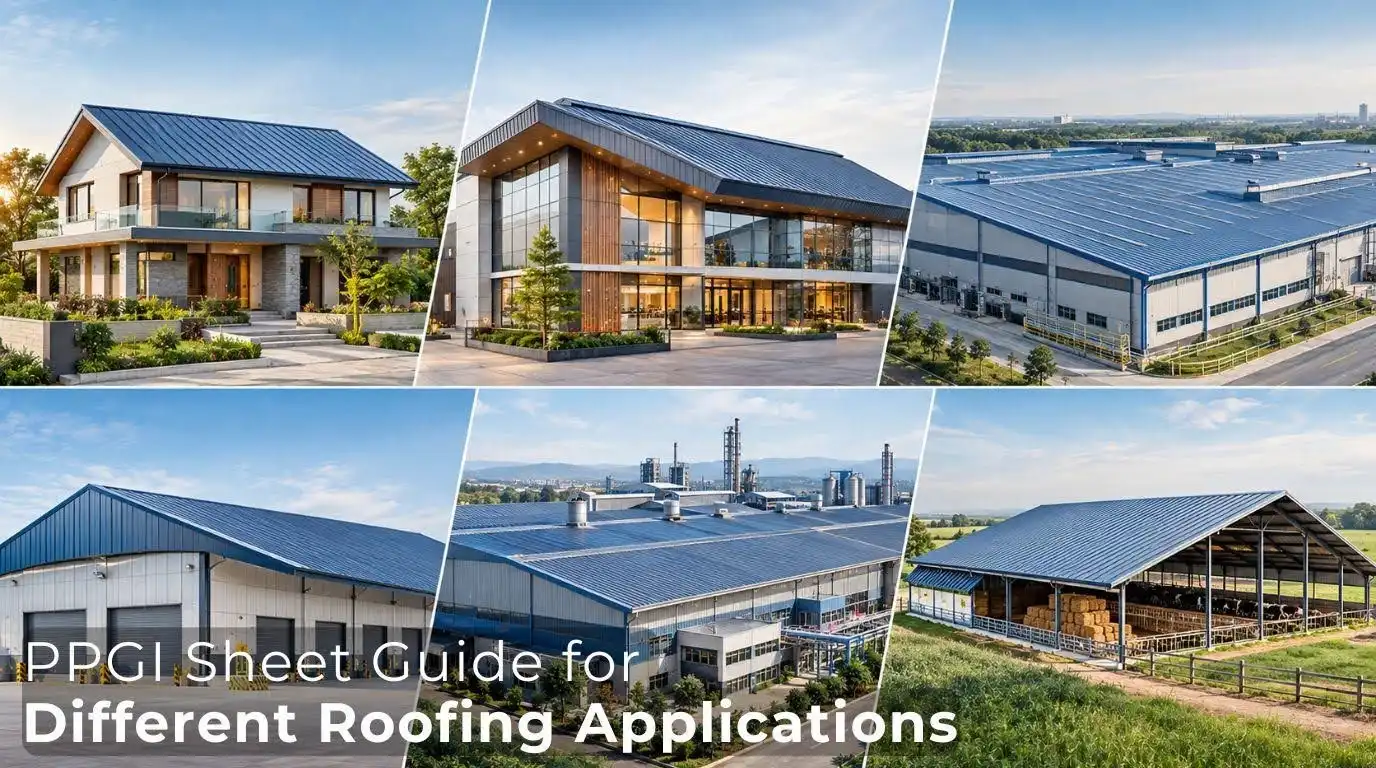
The versatility of aluzinc sheets for coastal regions allows them to be used across a wide range of construction projects. Their durability and performance make them suitable for both residential and industrial use.
Common applications include:
- Residential homes in coastal zones
- Industrial units and warehouses
- Commercial buildings and retail spaces
- Agricultural and storage structures
These applications demonstrate why aluzinc roofing sheets for coastal areas are considered one of the most reliable roofing solutions available today.
Learn more applications of al-zn coated roofing sheets.
Conclusion
Coastal environments require roofing materials that can withstand continuous exposure to moisture, salt, and environmental stress. Aluzinc roofing sheets for coastal areas offer a dependable solution by combining corrosion resistance, durability, and thermal efficiency.
With their proven reliability and low maintenance needs, aluzinc sheets for coastal regions continue to be among the best roofing sheets for coastal areas in modern construction.
Written and Verified by:

SEL Tiger
Bio: SEL Tiger Roofing Sheets manufactures roofing sheets using advanced technology for industrial, commercial and domestic requirements. SEL Tiger Roofing Sheets supplies colour coated and Alu-Zinc coated sheets that offer superior strength, weather resistance, corrosion resistance and long-lasting value for every project.