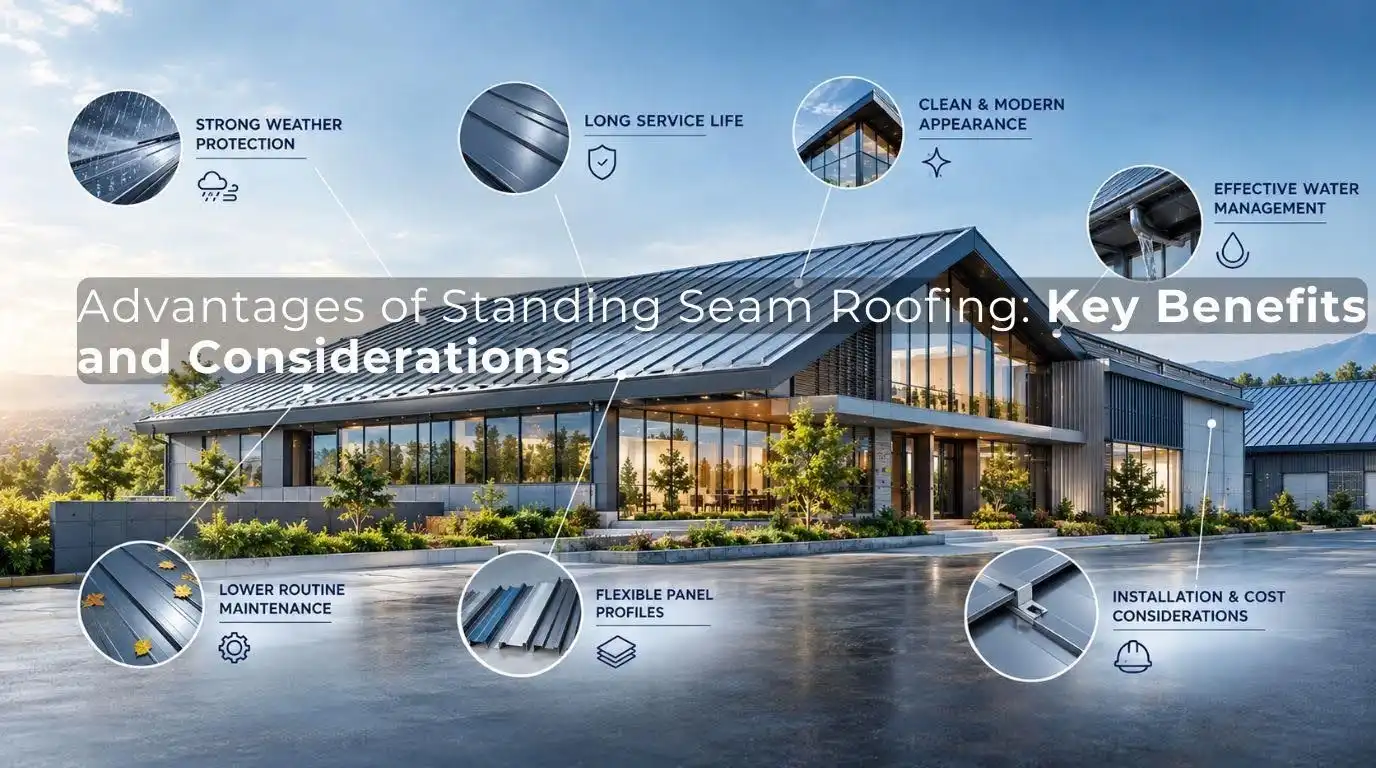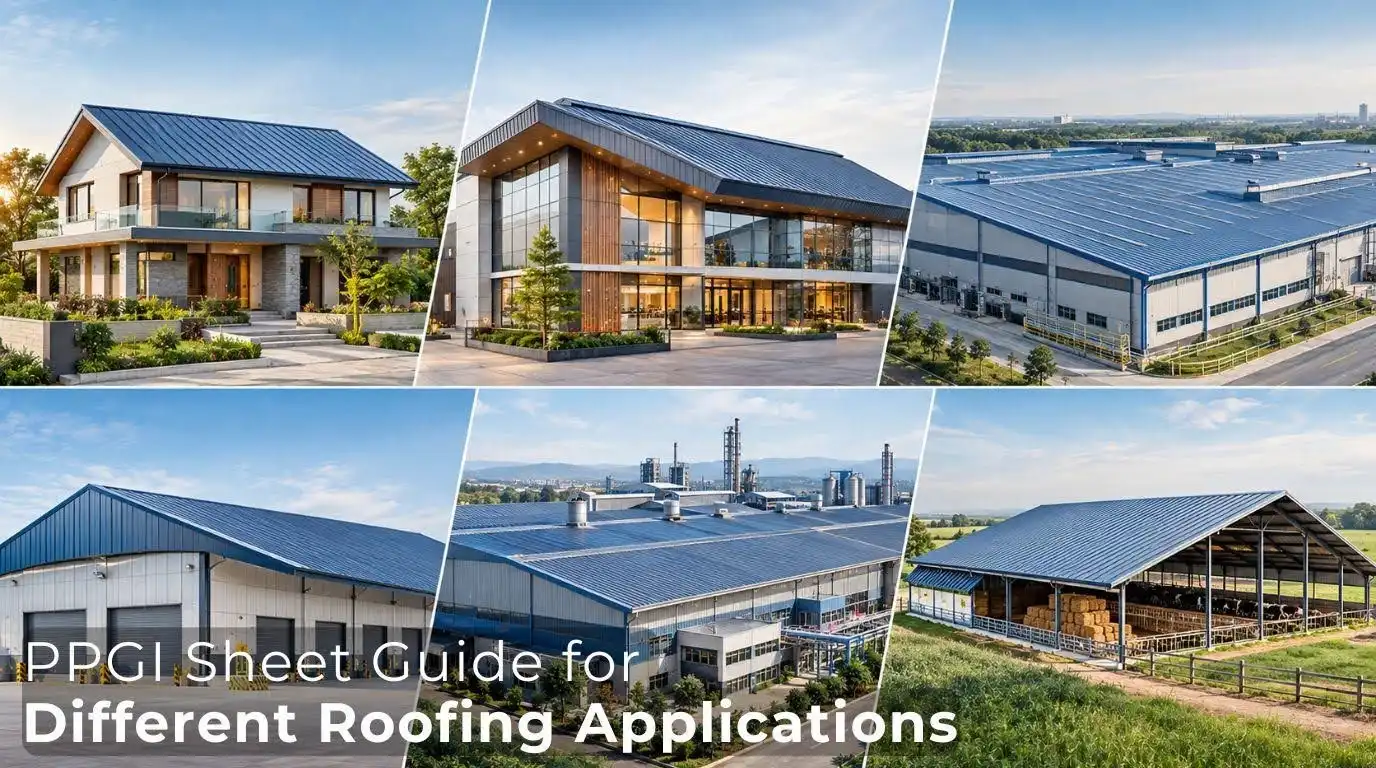


The performance of a roof is closely tied to the climate it is exposed to. A material that performs well in dry regions may not withstand high humidity, heavy rainfall, or coastal conditions for long. This is why selecting the right roofing sheet for climate conditions is an important decision for both residential and industrial structures.
Roofing technology has evolved to address these challenges with greater precision. Modern materials are manufactured with advanced coatings and alloy compositions that improve resistance to heat, corrosion, and weather-related stress.
This article explains how roofing sheets respond to different climates and provides a practical approach to choosing the best option based.
Choosing the Best Roofing Sheet Based on Climate
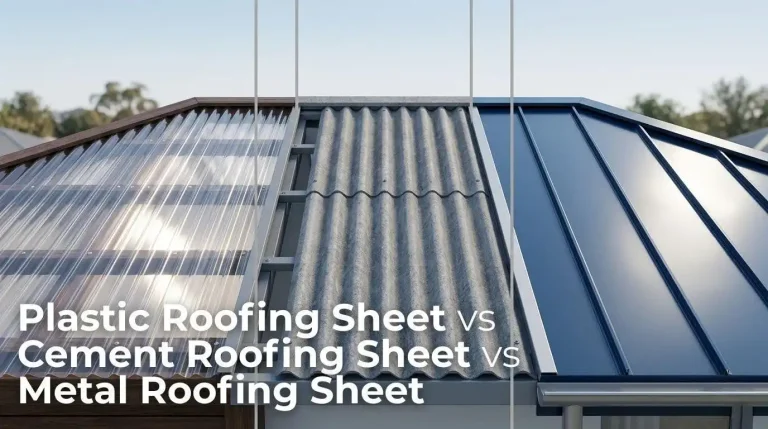
There are different types of roofing sheets but selecting the right roofing sheet begins with understanding how different climates impact performance. Each environmental condition places specific demands on roofing systems, and choosing accordingly helps maintain long-term efficiency and reliability.
-
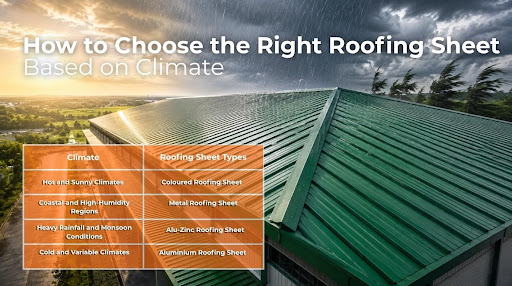
Hot and Sunny Climates
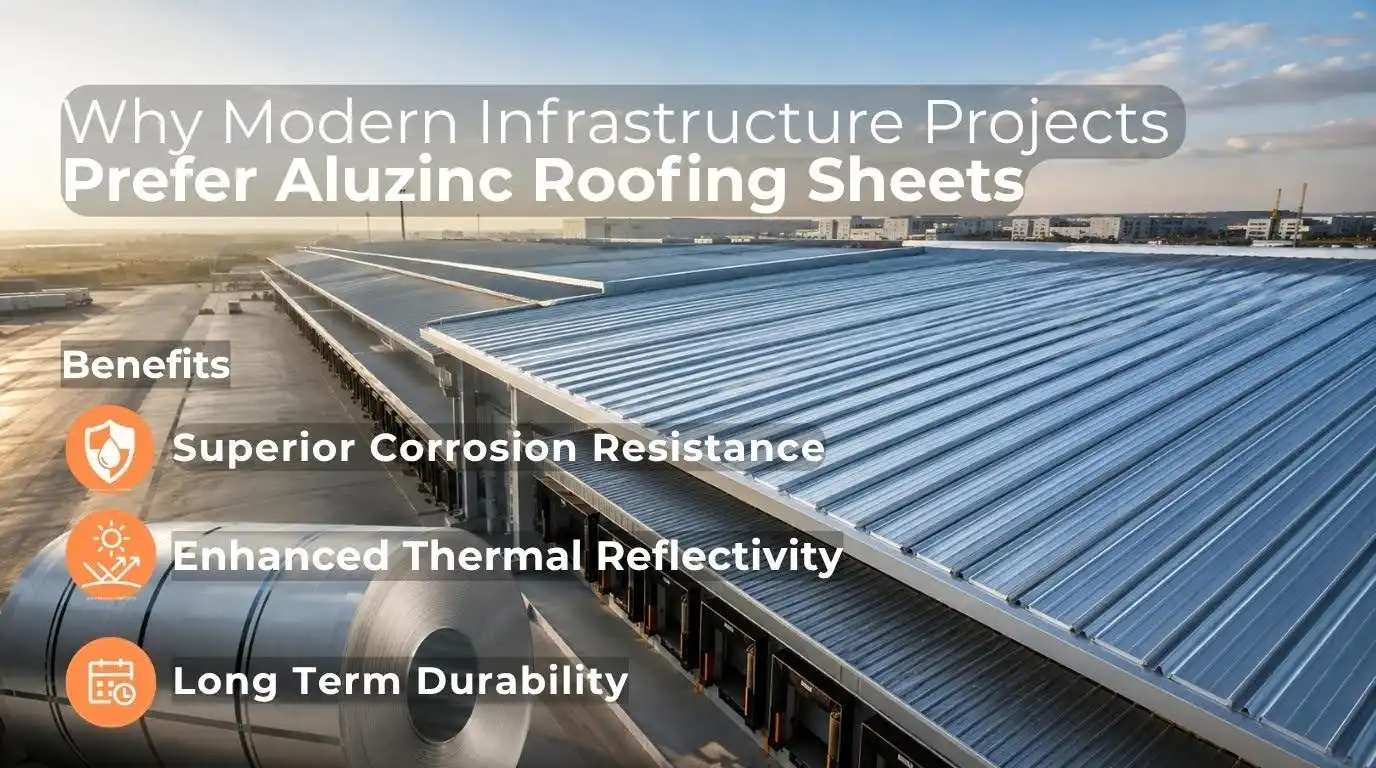
Heat absorption becomes a major concern in regions where temperatures remain high for most of the year. Roofing materials that retain heat can raise indoor temperatures significantly which makes cooling systems work harder. For such conditions, coloured roofing sheet options with reflective coatings are particularly effective. Lighter shades and specially treated surfaces reflect a higher percentage of solar radiation, helping to keep roof temperatures lower. Cooling roofing sheets like aluzinc sheets can work better for hot and sunny climates.
-
Coastal and High-Humidity Regions
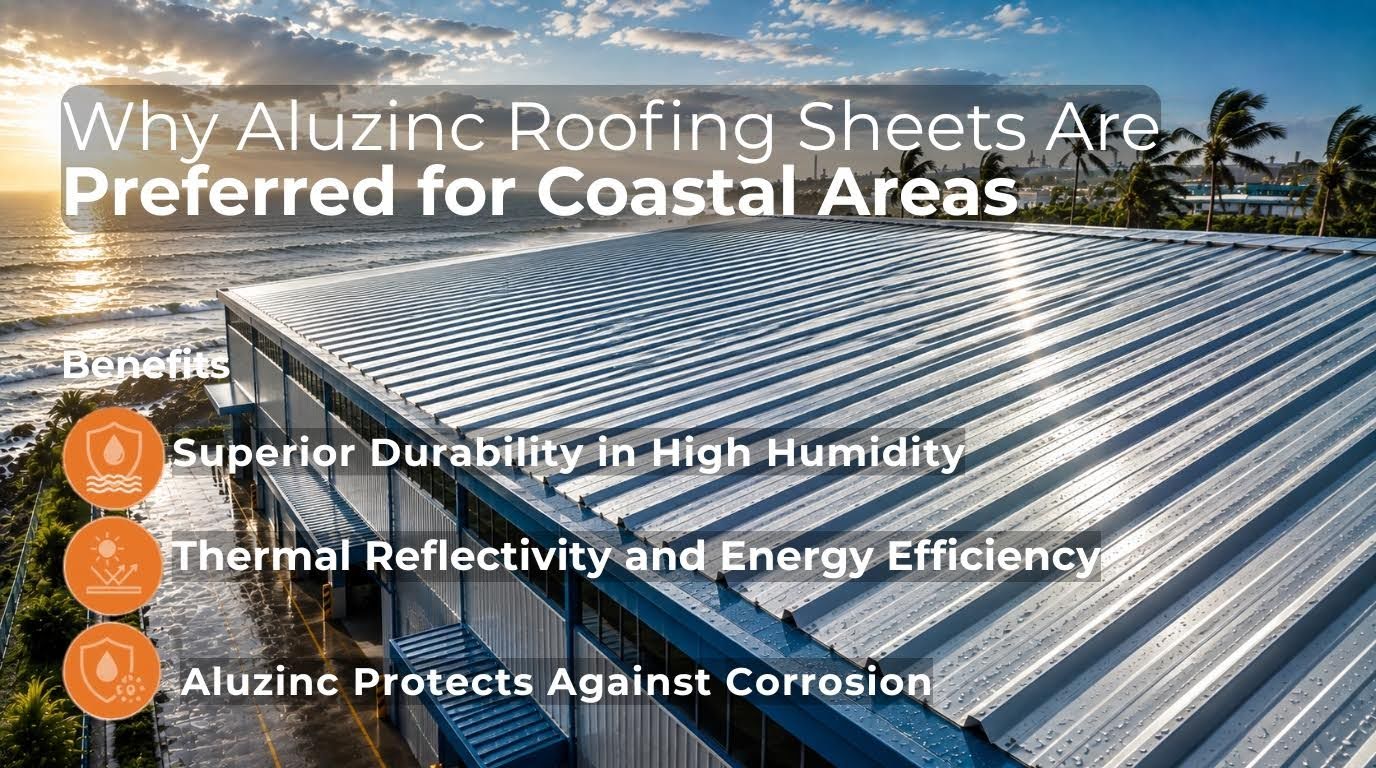
Coastal environments present a different set of challenges due to high humidity and the presence of salt in the air. These factors accelerate corrosion and can weaken roofing materials if they are not properly protected. Corrosion resistant roofing sheets are essential. Materials like alloy-coated steel and aluminium zinc roofing sheets are well suited because they offer strong resistance to rust and moisture damage. Aluminum, in particular, does not corrode in the same way as traditional steel, making it highly reliable in coastal areas.
-
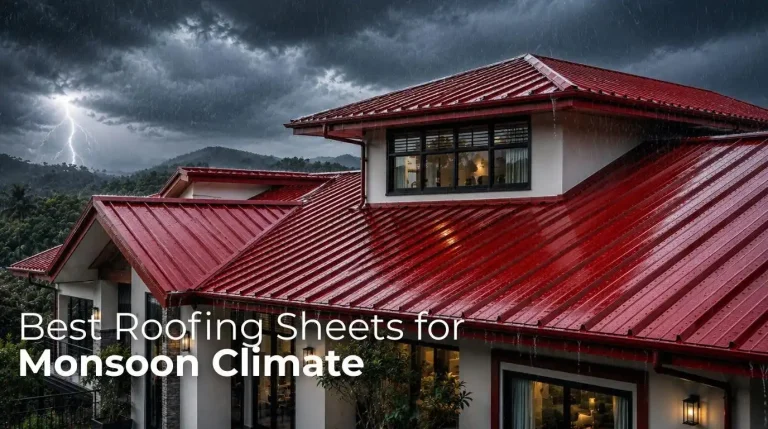
Heavy Rainfall and Monsoon Conditions
Areas that experience intense rainfall require roofing systems that can effectively manage water flow and resist moisture penetration. Improper material selection can lead to leakage and surface damage also long-term structural issues. Corrugated roofing sheets with advanced coatings perform well in such environments because they offer strong resistance to water-related wear. Proper profiling and installation allow rainwater to drain quickly, preventing accumulation. Learn more about the best roofing sheet for high rainfall areas.
-
Cold and Variable Climates
Regions with fluctuating temperatures place additional stress on roofing materials due to expansion and contraction. Metal roofing sheets with stable structural properties and durable coatings perform reliably under these conditions. Their ability to expand and contract without compromising integrity makes them suitable for environments with temperature swings.
Key Factors to Consider for Selecting Roofing Sheets
Choosing the right roofing sheet involves evaluating several technical aspects in addition to climate compatibility. These factors directly influence durability and performance and long-term cost efficiency.
Important considerations include:
- Material composition and structural strength
- Quality of protective coatings and resistance to corrosion
- Thermal performance and ability to reflect heat
- Installation method and compatibility with building design
- Maintenance requirements and overall lifecycle cost
Considering these key factors to consider for selecting roofing sheets ensures that the selected material meets both environmental and structural demands effectively.
Roofing Sheet Selection Guide
A structured roofing sheet selection guide simplifies the decision-making process by aligning material properties with environmental requirements.
Key steps to follow include:
- Assessing local climate and environmental exposure
- Identifying performance requirements for the building
- Comparing available materials and coating systems
- Evaluating installation methods and maintenance needs
- Considering long-term cost and durability
Following this approach ensures that the chosen roofing sheet delivers consistent performance, efficiency, and reliability over time.
Conclusion
Selecting the right roofing sheet for climate conditions is essential for achieving long-term durability and efficiency. Each environment places unique demands on roofing materials, from heat resistance in sunny regions to corrosion protection in coastal areas. Modern solutions like alloy-coated materials, aluminium roofing sheets, and coloured roofing sheet options provide dependable performance across a wide range of conditions.
A carefully selected roofing system not only protects the structure but also contributes to energy efficiency and long-term sustainability.
Written and Verified by:

SEL Tiger
Bio: SEL Tiger Roofing Sheets manufactures roofing sheets using advanced technology for industrial, commercial and domestic requirements. SEL Tiger Roofing Sheets supplies colour coated and Alu-Zinc coated sheets that offer superior strength, weather resistance, corrosion resistance and long-lasting value for every project.