

Rising temperatures and longer summers are changing how we think about roofing. A roof is no longer just a protective barrier but plays a direct role in how comfortable a home or building feels throughout the day.
A cooling sheet for houses is designed to reduce heat absorption and improve indoor comfort without relying heavily on mechanical cooling systems.
Advanced roofing technology emphasizes thermal performance alongside durability and weather resistance. This guide explains how cooling roof sheet types work and the most effective materials available today. By the end, you will know how to choose the right option for your project.
What is a Cooling Roof Sheet?
A cooling roof sheet is a roofing material engineered to reflect sunlight and reduce heat transfer into a building. Traditional roofing surfaces tend to absorb solar radiation which cause the roof temperature to rise significantly during peak sunlight hours. This absorbed heat gradually moves into the interior, increasing indoor temperatures.
Cooling roof sheets work differently. Their surfaces are designed to reflect a large portion of solar energy rather than absorbing it. Two important properties make this possible: solar reflectance and thermal emissivity. Solar reflectance determines how much sunlight is reflected away. Thermal emissivity measures how effectively a material releases any absorbed heat.
Modern cooling roof sheet types often use advanced coatings and alloy-treated metal bases to achieve these properties consistently over time.
How Cooling Roof Sheets Improve Indoor Comfort
Roof surfaces are often the largest exposed area of a building, which means they receive direct sunlight for extended periods. Managing this heat exposure has a direct impact on indoor comfort levels.
-
Solar Reflectance and Heat Reduction
Cooling roof sheets reduce surface temperature by reflecting a significant portion of incoming solar radiation. The reflective surface directs much of that energy away from the building instead of allowing heat to build up.
This process contributes to several noticeable improvements:- Lower roof surface temperatures during peak sun exposure
- Reduced heat transfer into living or working spaces
- Less strain on cooling systems
- More stable indoor temperature levels
By limiting the amount of heat entering the building, cooling roof sheets help create a more comfortable indoor environment throughout the day.
-
Energy Efficiency Benefits
Lower indoor heat gain naturally leads to reduced reliance on air conditioning systems. In both residential and commercial settings, this translates into measurable energy savings.
Key benefits include:- Reduced electricity consumption during hot seasons
- Lower operational cooling costs
- Improved energy performance of the building
- Greater sustainability and reduced carbon footprint
The reduction in roof heat absorption can significantly influence overall energy management for large structures like warehouses or factories. Selecting the best cooling roof sheet for different applications ensures that thermal efficiency aligns with the specific building type and usage.
Comparison Table: Roofing Sheet Types and Heat Reduction Performance
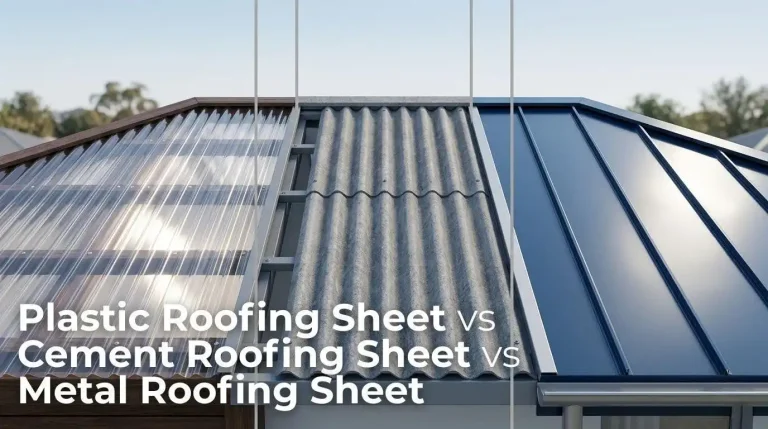
Different roofing materials vary significantly in their ability to reduce heat absorption. The table below compares common roofing sheet types based on thermal performance and heat reduction efficiency.
| Roofing Sheet Type | Solar Reflectance | Heat Absorption Level | Cooling Efficiency | Suitability for Hot Climates |
|---|---|---|---|---|
| Standard Metal Sheet (Uncoated) | Moderate | High | Moderate | Limited |
| Colour Coated Metal Sheet | High | Low | High | Excellent |
| Galvalume / Aluzinc Sheet | High | Low to Moderate | High | Very Good |
| Cement Roofing Sheet | Low to Moderate | Moderate | Moderate | Moderate |
| Plastic Roofing Sheet | Low | High | Low | Poor |
Learn more about colour coated sheets and Galvalume/Aluzinc sheets.
Cooling Sheet Colours: Which Roof Colour is Coolest?
The colour of a roofing sheet can influence how much solar heat the roof absorbs. In general, lighter and more reflective cooling sheet colours such as white, light grey, and other lighter shades tend to reflect more sunlight and absorb less heat than darker colours. For homeowners looking for a cooling sheet colour for house, choosing a lighter shade can therefore help support better thermal comfort, particularly in regions with intense sunlight. However, colour is only one factor; the coating quality, solar reflectance, material, and overall roofing system also play an important role in cooling performance. If you are wondering which colour roof shade is coolest, a highly reflective light-coloured sheet is generally the better choice for reducing heat absorption while still providing an attractive appearance.
Factors to Consider When Choosing a Cooling Roof Sheet
Selecting the right cooling roof sheet requires careful evaluation of environmental conditions, coating quality and installation practices.
-
Climate and Environmental Conditions
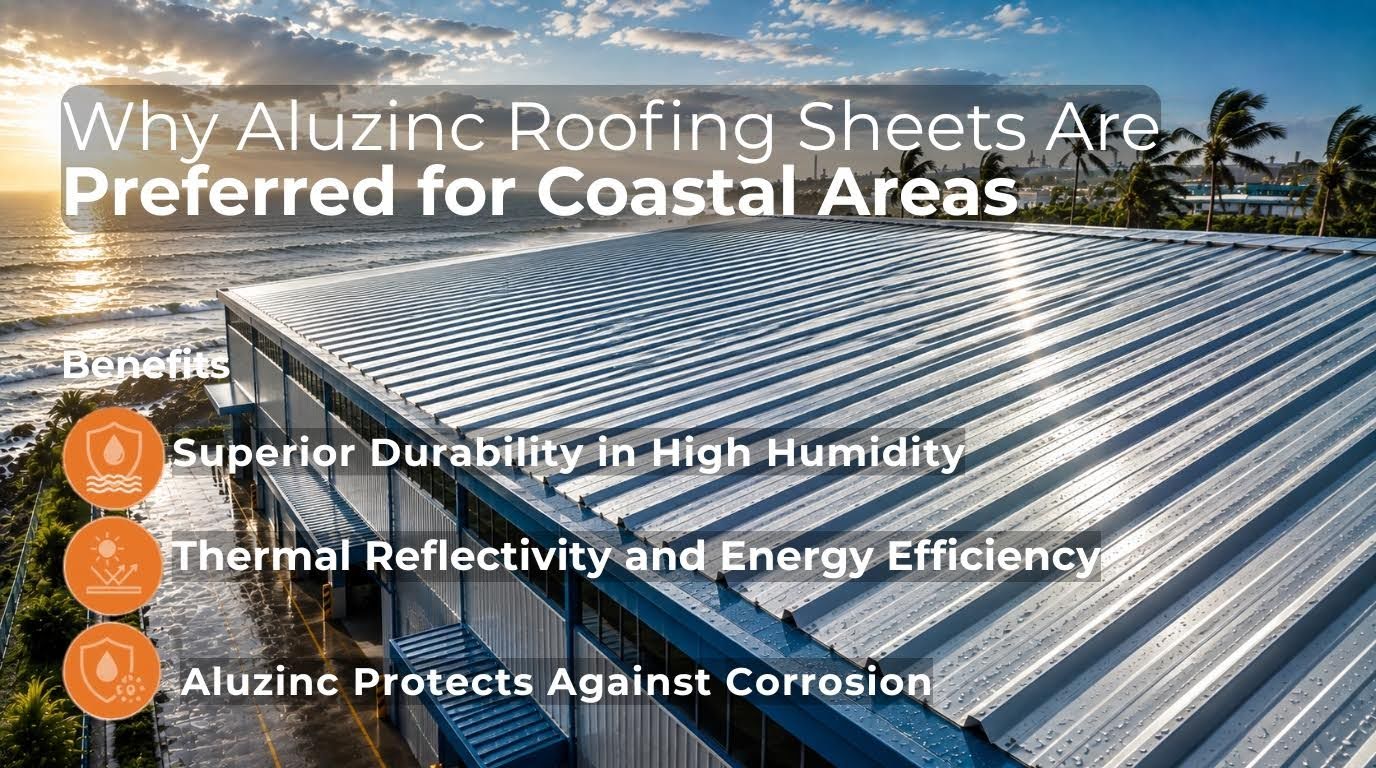
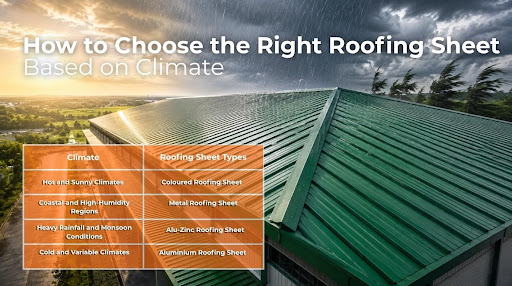
Local climate conditions strongly influence how a cooling roof performs. Regions with intense sunlight require roofing materials that maintain high reflectivity over extended exposure. Coastal environments demand additional corrosion resistance to withstand salt-laden air.
Choosing a roof sheet that aligns with these environmental factors ensures consistent performance and reduces the risk of premature surface degradation. Not all cooling roof sheet types are equally suited to every climate, so environmental compatibility is essential. -
Coating Quality and Longevity
The durability of a cooling roof sheet is directly linked to the quality of its coating system. High-grade coatings retain their reflective properties for years but lower-quality alternatives may fade or deteriorate more quickly.
It is important to consider below mentioned factors when assessing options:- Coating composition and thickness
- UV resistance capability
- Corrosion protection level
- Manufacturer warranty support
A well-engineered coating system preserves both cooling efficiency and visual appeal, making it easier to identify the best cooling roof sheet for different applications based on performance requirements.
-
Installation and Structural Considerations
Even the most advanced cooling roof sheet requires proper installation to perform effectively. Correct alignment and secure fastening also precise sealing prevent moisture infiltration and ensure optimal reflectivity.
Professional installation helps maintain structural integrity and ensures that the cooling features function as intended over the long term. For residential projects, especially when installing a cooling sheet for a house, attention to installation quality directly affects energy savings and durability.
Best Cooling Roof Sheet for Different Applications
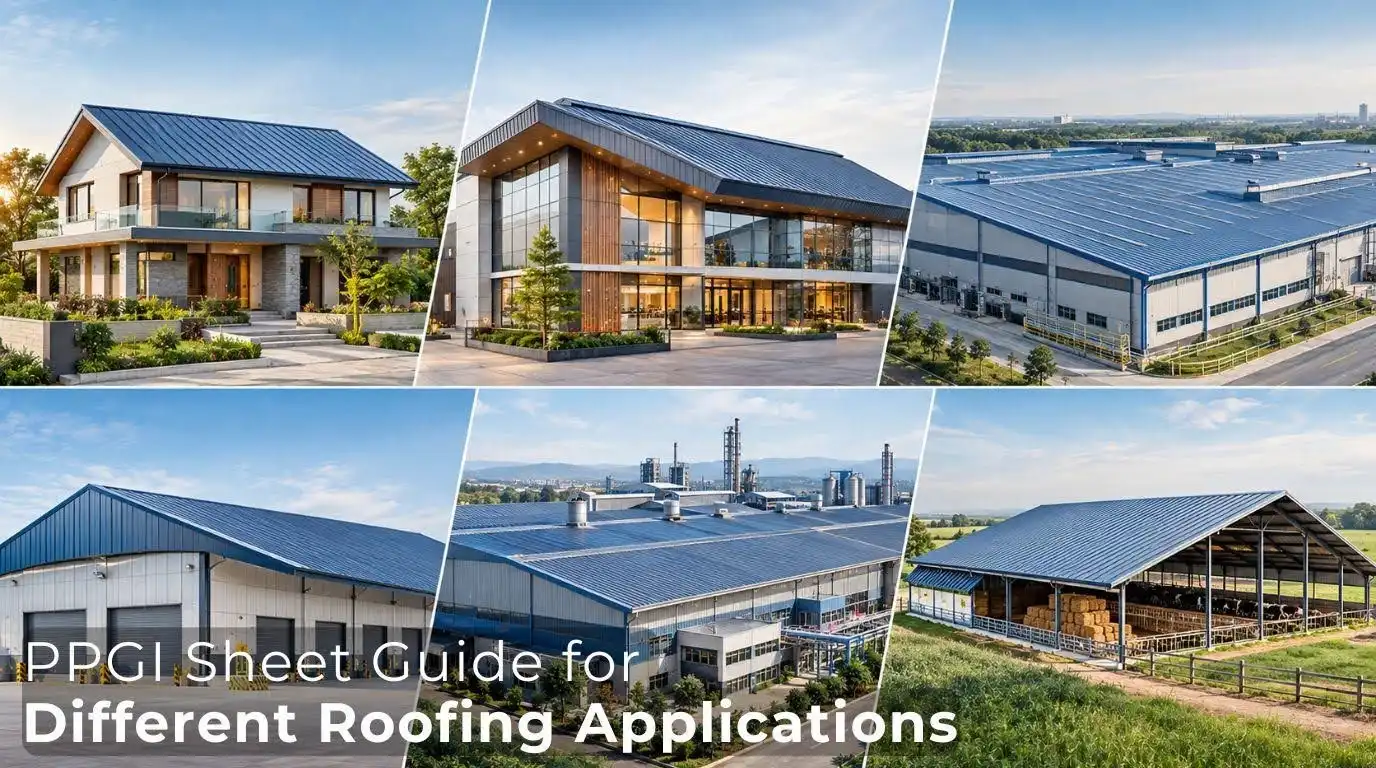
Cooling roof sheets can be applied across various building types, each with unique performance requirements.
-
Residential Homes
For homes, cooling roof sheets must combine thermal efficiency with visual compatibility. Colour coated metal roofing sheets offer reflective performance along with a range of finishes that complement architectural design. These sheets help maintain comfortable indoor temperatures while enhancing curb appeal. When selecting the best cooling roof sheet for different applications, homeowners should prioritize reflectivity, coating durability, and long-term maintenance requirements.
-
Commercial Buildings
Commercial buildings often have expansive roof surfaces exposed to continuous sunlight. Cooling roof sheets reduce heat accumulation across large areas, contributing to lower cooling costs and improved indoor working conditions. Reflective metal roofing systems are particularly effective for offices, retail spaces and institutional buildings.
-
Industrial Facilities
Industrial structures frequently face both external solar heat and internal heat generation. Cooling roof sheets with advanced coatings help manage total heat load and improve operational comfort and also support energy efficiency across large floor areas.
Conclusion
A cooling roof sheet represents a forward-looking approach to roofing design. By reflecting solar radiation and reducing heat transfer, these roofing systems enhance indoor comfort while lowering energy demand.
Modern colour coated and alloy-coated metal roofing sheets offer a balanced combination of durability, weather resistance, and thermal performance. When carefully selected and properly installed, cooling roof sheets provide a dependable solution for residential, commercial, and industrial buildings facing rising temperature challenges in 2025 and beyond.
Written and Verified by:

SEL Tiger
Bio: SEL Tiger Roofing Sheets manufactures roofing sheets using advanced technology for industrial, commercial and domestic requirements. SEL Tiger Roofing Sheets supplies colour coated and Alu-Zinc coated sheets that offer superior strength, weather resistance, corrosion resistance and long-lasting value for every project.