

Roofing materials influence the long-term performance and resilience also the value of any building. As construction standards evolve, metal roofing sheets have become a preferred choice of types of roofing sheets for architects and builders due to their strength, durability, and long service life.
These sheets are made to withstand demanding conditions, providing consistent protection year after year. But, the market is varied, and not every roofing sheet offers the durability or quality it claims. This makes it essential for buyers, contractors, and project owners to understand the characteristics that genuinely define a high-quality sheet.
Recognising these indicators ensures that every roofing decision supports the structure’s safety, functionality, and longevity.
Why Roofing Sheet Quality Matters
The roof plays the primary shield against natural elements and structural strain also the climatic changes. This is why the roofing material directly affects how well a building performs over time.
A high-quality metal roofing sheet provides strong resistance to rainfall, sunlight, corrosion, and wind forces. Its durability helps prevent leaks, surface deterioration, and premature rusting. When the roofing material is inferior, problems tend to appear early, resulting in repeated repairs, higher maintenance expenses, and potential risk to the building’s integrity.
A reliable roofing solution strengthens the structure’s ability to endure temperature variations, moisture, and external impact. This is why choosing the right roofing sheet is not only a technical decision, but also a long-term investment in the stability and safety of the property.
Key Signs of a High-Quality Metal Roofing Sheet
Understanding what sets a superior roofing sheet apart helps builders and buyers make informed choices. Certain features consistently indicate strong performance, structural reliability, and long-term value.
-
Superior Base Metal Grade and Thickness
-
Premium Coating for Corrosion Protection
-
High-Quality Paint or Colour Coating
-
Consistent Profile Design and Precision Manufacturing
-
Strong Load-Bearing and Weather Resistance
-
Effective Anti-Rust, Anti-Fungal, and Anti-Condensation Features
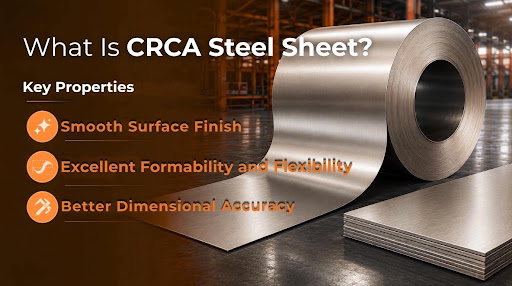
A high-quality roofing sheet begins with a strong base metal. High-tensile steel and aluminium are widely preferred because they provide enhanced strength, resistance to deformation, and long-lasting structural support. The base metal type determines how well the sheet performs under load and environmental stress.
Recommended roofing thickness generally ranges between 0.40 mm and 0.60 mm, depending on the building’s purpose and design requirements. Anything significantly thinner may bend easily, become unstable under pressure, or fail to maintain its shape over time.
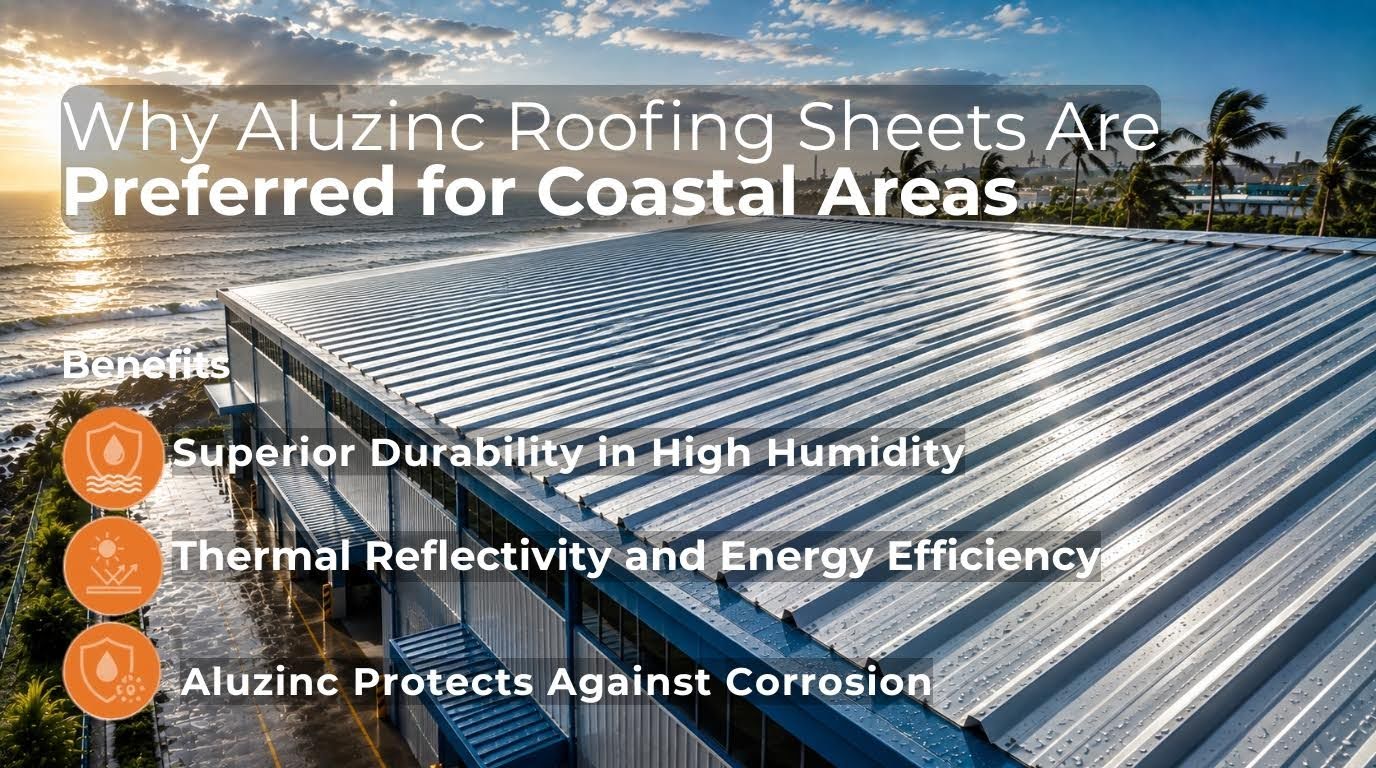
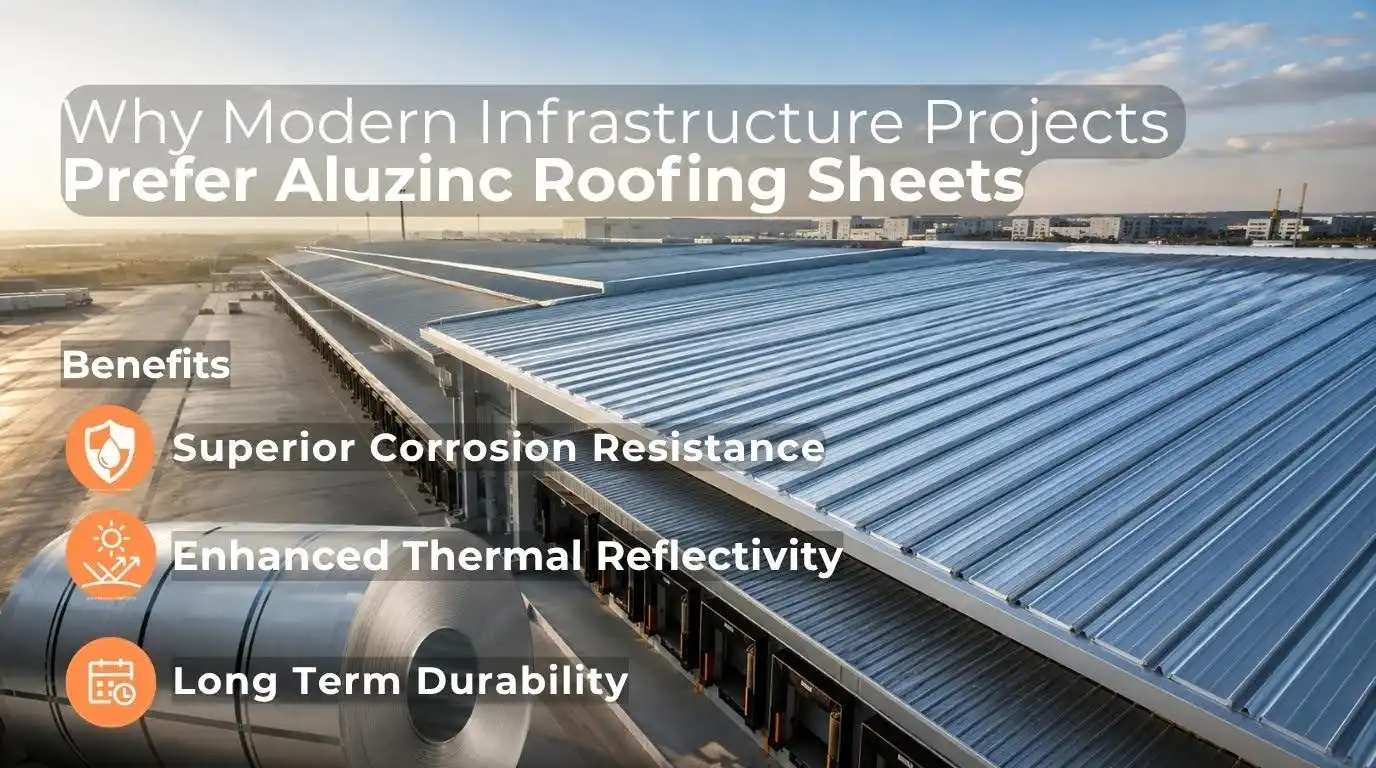
The coating applied to a roofing sheet directly influences its ability to resist corrosion and environmental wear. Galvanised (GI) coatings, GL sheet variants, and Al-Zn alloy coated sheet – commonly known as Galvalume roofing sheets, offer enhanced protection through a carefully engineered mix of zinc, aluminium, and silicon layers. These coatings act as a barrier against moisture, pollutants, and oxidation. A consistent coating weight ensures that every part of the sheet receives adequate protection. Manufacturers who follow updated coating standards ensure their sheets are tested thoroughly to confirm resistance to rust, especially in regions with high humidity levels.
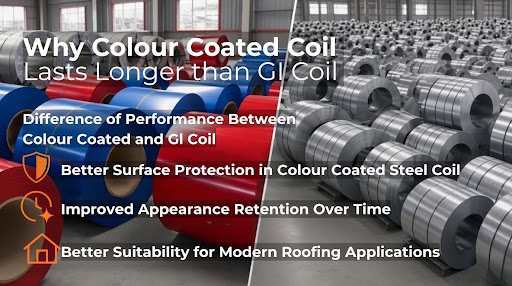
A robust paint coating enhances both the appearance and the functional life of the roofing sheet. Advanced paint systems such as polyester, SMP, or PVDF are known for their strong UV resistance, colour stability, and ability to withstand harsh sunlight. Quality paint layers support the sheet’s surface finish and paint quality, ensuring the colour remains consistent for years. High-quality coatings maintain their finish despite continuous exposure to heat, rain, and pollutants, ensuring the sheet remains protected at all times.
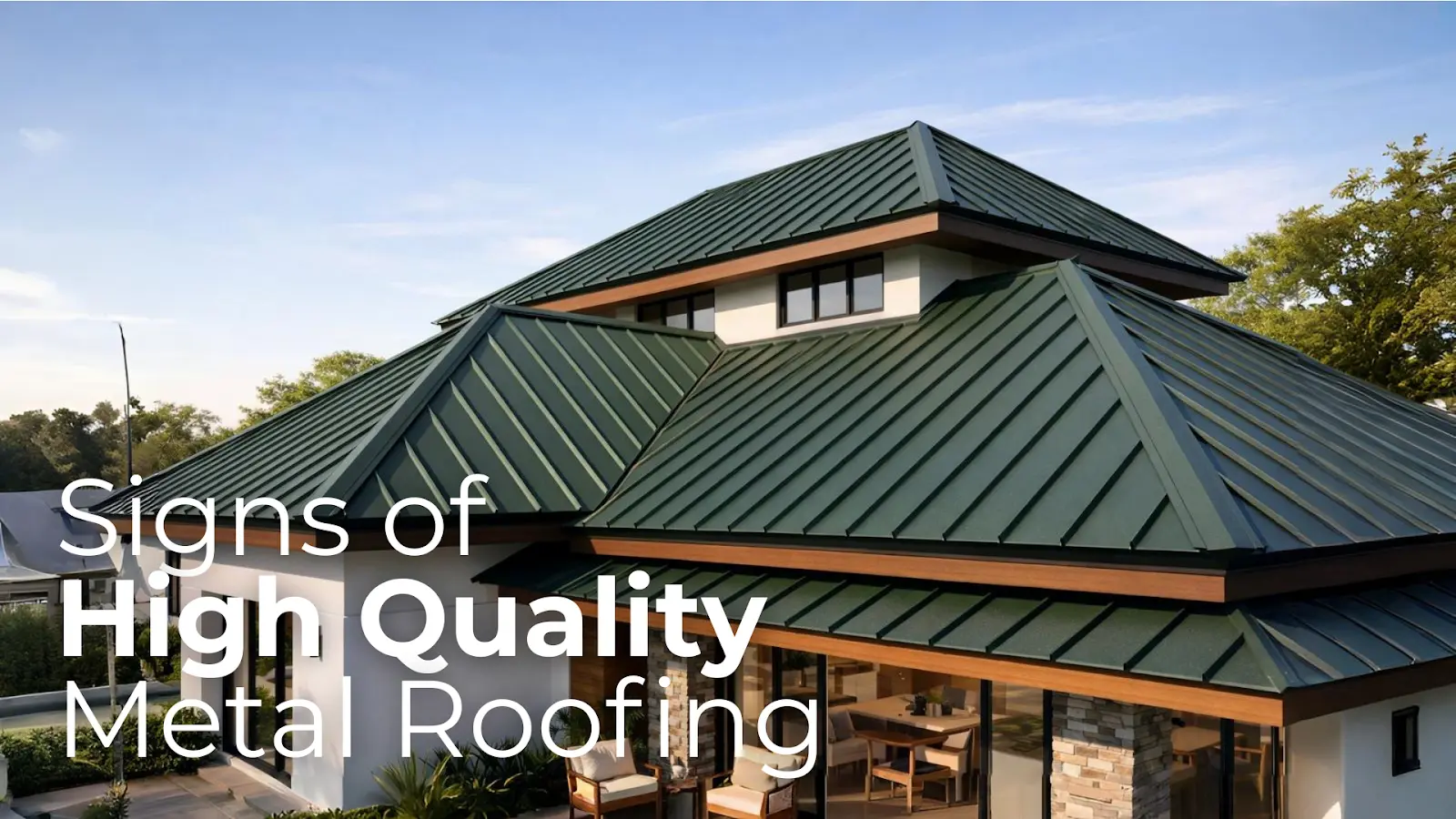
High-quality metal roofing sheets are manufactured with precision to ensure uniformity in profile design. Corrugated sheet with smooth edges, and consistent rib heights are strong indicators of advanced roll-forming technology. Such precision ensures structural strength, effective water drainage, and a refined appearance. Sheets manufactured by a reputed roofing sheet manufacturer maintain strict dimensional accuracy, ensuring reliable performance and seamless installation across varying roof spans.
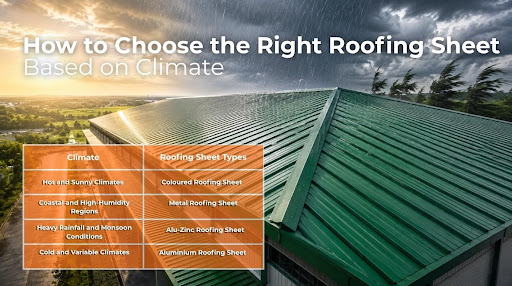
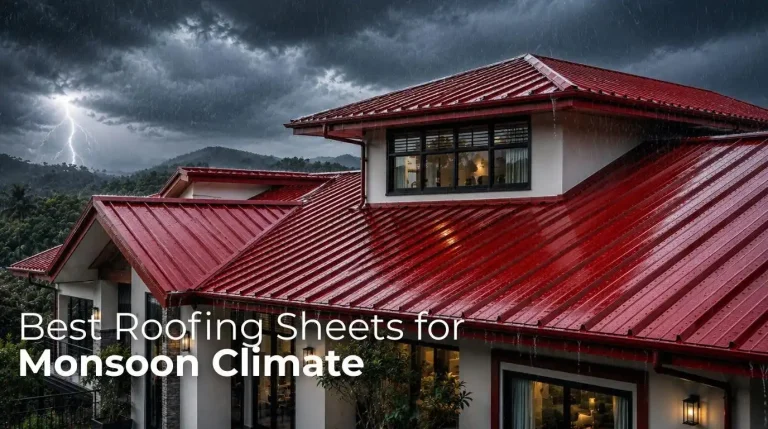
Roofing sheets must be capable of withstanding diverse environmental pressures. High-quality metal sheets are designed to endure heavy wind loads, intense rainfall, hail impact, and daily temperature fluctuations. Galvalume roofing sheets and Al-Zn alloy coated sheets are widely respected for their resilience in challenging climates, especially during monsoon seasons. A roofing sheet that maintains structural strength under varying conditions provides long-term security and reliability.
Modern roofing solutions often incorporate additional protective features to enhance durability. Anti-rust layers safeguard the sheet from moisture-induced corrosion, while anti-fungal properties help maintain hygiene and protect the sheet in humid environments. Anti-condensation membranes have become increasingly important in industrial and warehouse projects where moisture accumulation beneath the sheet must be controlled. These membranes reduce water droplets and prevent internal dampness. Thermal barriers or reflective coatings also help regulate heat absorption.
How to Verify Roofing Sheet Quality Before Purchase
A few targeted checks can offer clarity and help verify whether a roofing sheet aligns with performance and longevity expectations.
Key quality-verification steps include:
- Requesting material test reports for base metal strength.
- Checking coating weight and ensuring alignment with current standards.
- Reviewing certifications provided by the manufacturer.
- Inspecting samples for uniform thickness and an accurate profile.
- Ensuring the surface finish and paint quality meet expected standards.
- Understanding the warranty terms for structural and coating performance
- Consulting experienced engineers or roofing experts for guidance.
Conclusion
When the metal roofing sheets are chosen with attention to its base metal, coating standards, manufacturing precision, and overall quality, the building receives long-lasting defence against corrosion, weather, and wear.
Prioritising trusted roofing sheet manufacturers and verified materials ensures structural reliability, reduced maintenance requirements, and sustained value for years. Understanding the signs of high-quality roofing sheets empowers buyers to make informed decisions that enhance the safety and efficiency of every project.
Written and Verified by:

SEL Tiger
Bio: SEL Tiger Roofing Sheets manufactures roofing sheets using advanced technology for industrial, commercial and domestic requirements. SEL Tiger Roofing Sheets supplies colour coated and Alu-Zinc coated sheets that offer superior strength, weather resistance, corrosion resistance and long-lasting value for every project.