

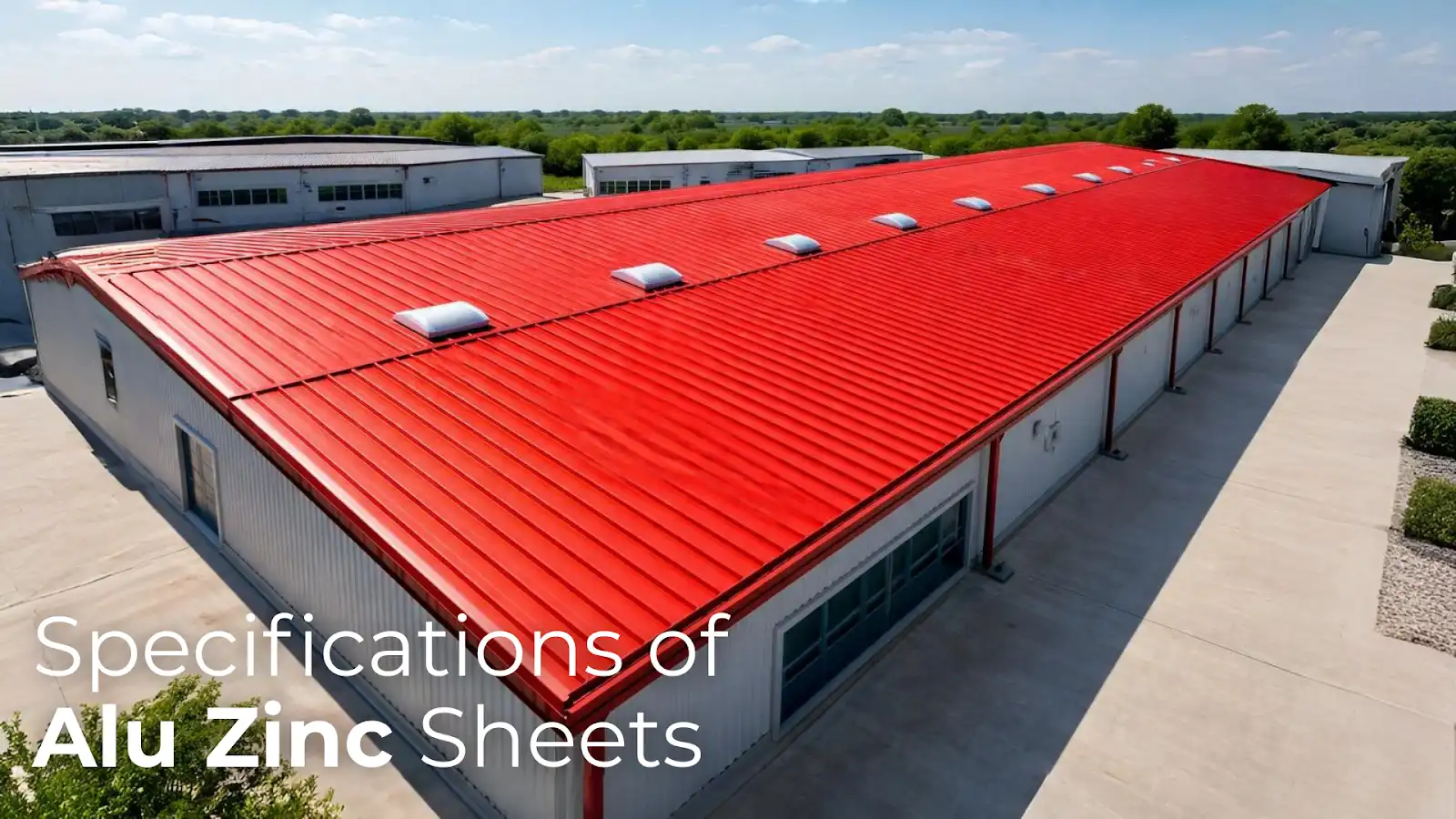
With all the evolving things construction practices continue to evolve. The expectations from roofing materials have become far more demanding than they were even a decade ago. Developers and homeowners are no longer satisfied with materials that merely cover a structure. This is where the Aluminium Zinc coated sheet has gained strong relevance.
This advanced metal roofing sheet material combines innovative coating technology with proven structural strength commonly known as the aluzinc roofing sheet or Galvalume roofing sheet. A clear understanding of Aluzinc sheet technical specifications allows architects and engineers also buyers to make informed decisions. It will balance performance and longevity with overall project value.
What are Aluzinc Sheets?
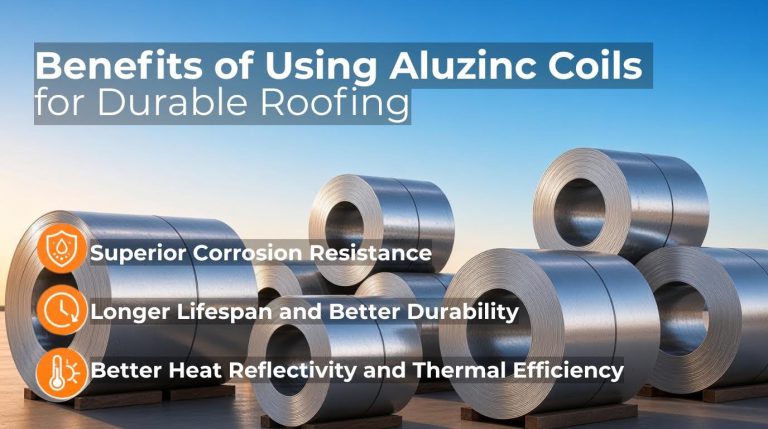
An aluzinc sheet is a high-performance steel product. It is coated with a carefully engineered aluminium-zinc alloy. This contains approximately 55% aluminium and 43-43.5% zinc also 1.5-1.6% silicon. This specific Aluzinc steel chemical composition creates a dual-layer protection mechanism. Aluminium acts as a stable barrier that limits moisture penetration and zinc provides sacrificial protection at cut edges and surface abrasions.
The coating is applied through a continuous hot-dip process. It results in a uniform and tightly bonded metallic layer with a bright and reflective surface. These advantages make Aluminium Zinc corrugated sheets a preferred choice for industrial and commercial with residential roofing applications. This is where durability and low maintenance are critical.
Technical Specifications of Aluzinc Sheets
An Aluminium Zinc coated sheet’s real performance is determined not just by its coating but the precision of its dimensions and coating mass and also the mechanical behavior. Inked by the precision of its dimensions, coating mass, and mechanical behavior.
-
Thickness
Aluzinc sheet is manufactured in a wide range of thicknesses to meet different structural and load-bearing requirements. Standard roofing thickness typically falls between 0.12 mm and 1.2 mm, with most roofing projects using gauges from 0.35 mm to 0.6 mm.
Modern manufacturing processes maintain strict thickness tolerances, generally within ±0.02 mm for sheets below 0.5 mm and ±0.03 mm for thicker gauges. This consistency ensures uniform load distribution and secure fastening with long-term roof stability. -
Width and Length
The Aluzinc sheet standard thickness and width chart typically includes widths ranging from 600 mm to 1250 mm, depending on the roofing profile used. The effective cover width is optimized for structural efficiency and water drainage once rolled-formed into corrugated or trapezoidal shapes.
The ability to customize length is one of the key advantages of Aluzinc roofing sheets. Sheets can be supplied in continuous lengths tailored to specific roof dimensions reducing overlaps and minimizing the risk of leakage. Custom lengths also improve installation speed and structural integrity. It is particularly for large industrial roofs and warehouse buildings. -
Corrugated Width
Aluzinc corrugated sheets are available in corrugated widths ranging from 720 mm to 910 mm, these sheets are designed to provide efficient coverage while maintaining structural stability and to drain rainwater.
-
Coating Type and Weight
Coating weight plays a defining role in the durability of Aluzinc roofing. As per ASTM A792 Aluzinc steel sheet specifications, coating grades range from AZ40 to AZ275, indicating the total coating mass on both sides of the sheet.
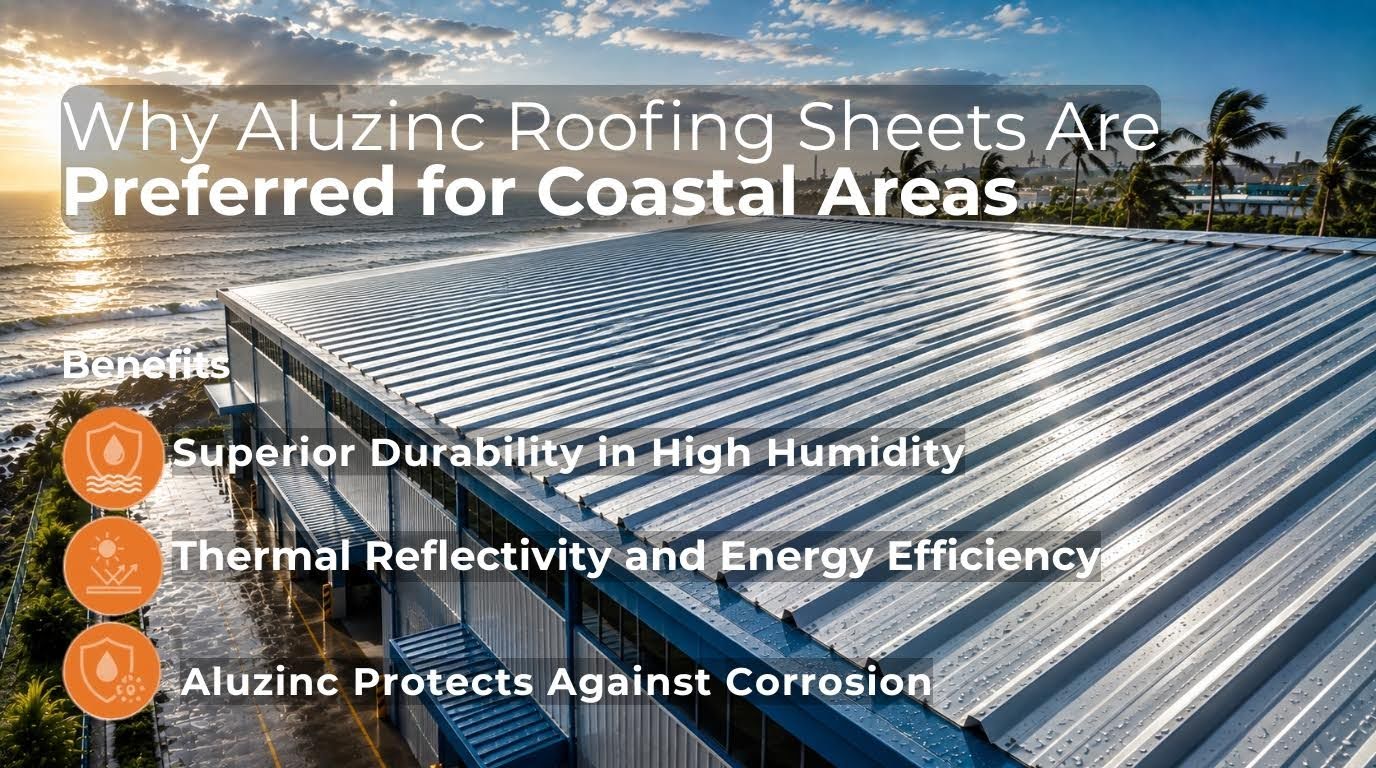
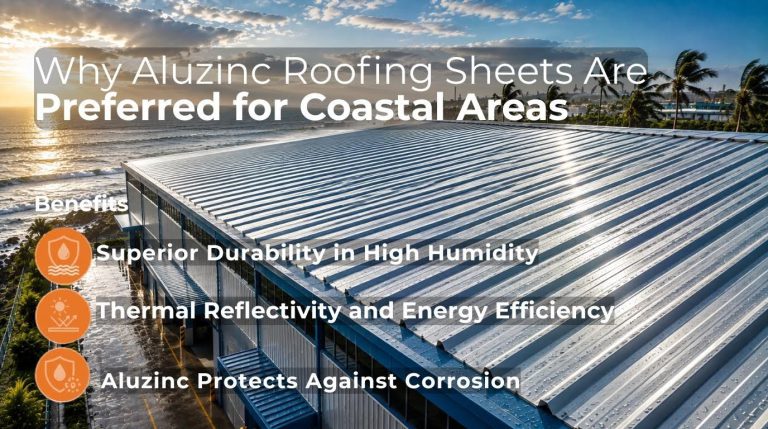
Lower coating grades are suitable for mild environments, while AZ150 to AZ275 coatings are recommended for industrial, coastal, or high-humidity regions. Higher coating weights provide enhanced corrosion resistance and longer service life, making them essential for projects exposed to aggressive atmospheric conditions. Selecting the appropriate coating grade ensures the sheet performs reliably over decades. -
Surface Finishes
Aluzinc sheets are available in multiple surface finishes. This is to suit functional and aesthetic requirements. Common options include regular spangle and minimized spangle with zero spangle finishes.
Anti-fingerprint or specially treated surfaces are used where appearance consistency and ease of handling are important. It influences visual appeal and reflectivity and also compatibility with colour coated roofing systems while surface finish does not significantly impact corrosion performance. -
Mechanical Properties
The mechanical properties of Aluzinc steel sheet make it suitable for a wide range of roofing and cladding applications. Tensile strength typically ranges from 300 MPa to 550 MPa. This depends on the steel grade.
The balance of strength and ductility allows the sheets to be roll-formed accurately without cracking, while still resisting deformation caused by wind loads and mechanical stress. Adequate hardness combined with controlled flexibility ensures long-term structural performance and installation reliability. -
Standards and Certifications
Quality Aluzinc sheets comply with international standards such as ASTM A792/A792M, EN, DIN, BS, and JIS. These standards define requirements for coating composition and mechanical strength and dimensional tolerances with some testing methods.
Compliance with recognized standards ensures consistent quality and predictable performance. It also suits both domestic and international construction projects. Certified products reduce technical risk and support long-term reliability for buyers.
Typical Applications of Aluzinc Sheets
Thanks to their balanced strength and durability, Aluzinc sheets are used across diverse construction sectors.
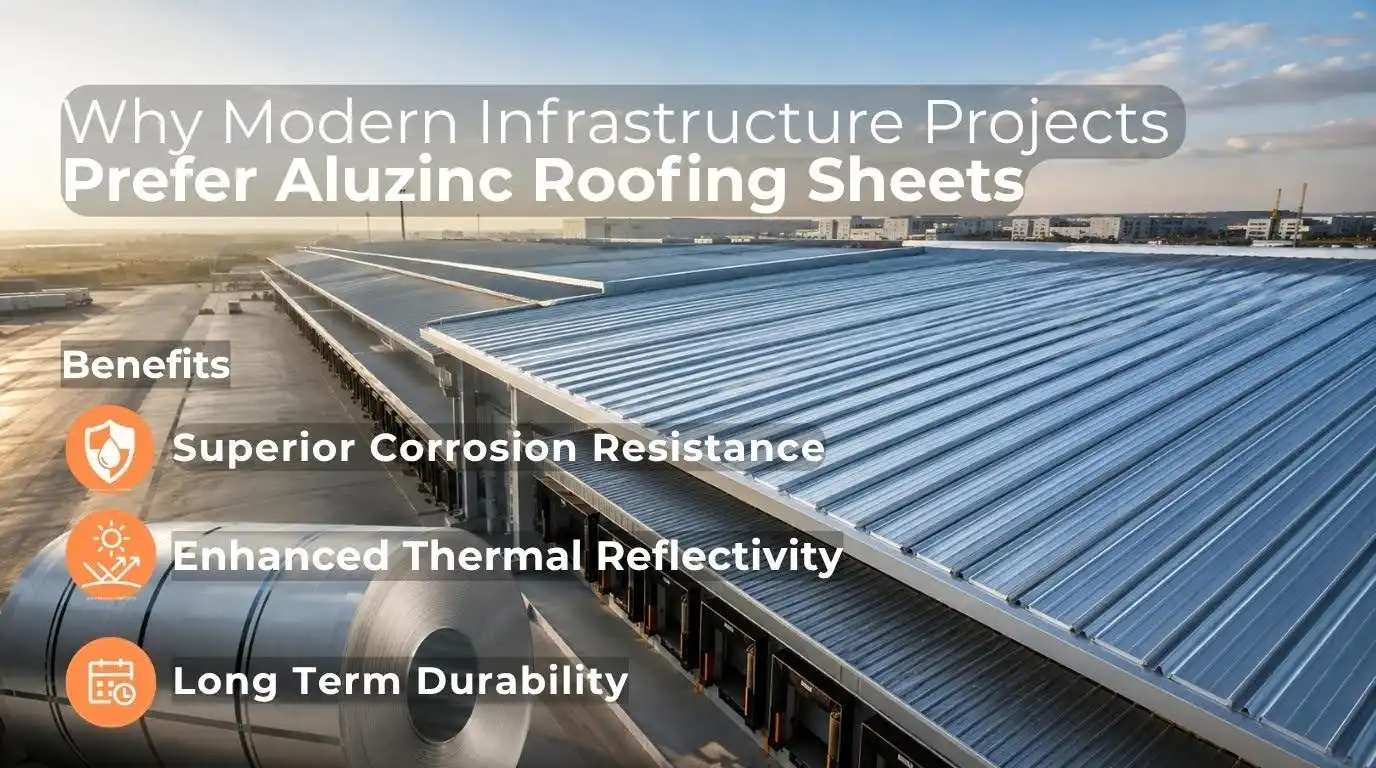
- They are commonly specified for industrial roofing and cladding apart from those warehouses and factories and also logistics facilities.
- Commercial buildings benefit from their long service life and reduced maintenance needs.
- For cost-effective roofing solutions residential projects often use lighter gauges.
- Aluzinc sheets are also applied in boundary walls and canopies with architectural features, with thickness and profile selection adjusted to suit each application.
Way to Choose the Right Aluzinc Sheet for Your Project
Choosing the correct Aluzinc specification is essential to achieving both performance and value.
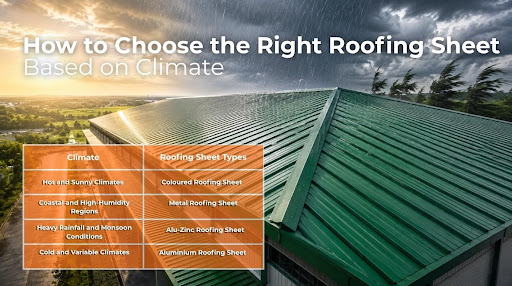
- Environmental exposure should guide coating grade selection. It is important especially in coastal or industrial areas.
- Structural design and wind load requirements determine suitable thickness and profile. Surface finish should align with visual preferences and handling needs.
- Equally important is compliance with international standards like ASTM and EN.
- Consulting an experienced manufacturer like SEL Tiger Roofing Sheets helps ensure that specifications are matched accurately to project conditions, delivering dependable long-term results.
Conclusion
A clear understanding of the physical properties of Aluzinc steel sheet and its technical specifications plays a critical role in selecting the right roofing sheet. From coating weight to mechanical strength each parameter directly influences durability and performance with lifecycle cost.
Exploring the Aluzinc roofing sheets manufactured by SEL Tiger Roofing Sheets provides access to materials engineered for modern construction requirements for projects that demand reliability and consistent quality. It is also supported by technical expertise and proven manufacturing standards.
Written and Verified by:

SEL Tiger
Bio: SEL Tiger Roofing Sheets manufactures roofing sheets using advanced technology for industrial, commercial and domestic requirements. SEL Tiger Roofing Sheets supplies colour coated and Alu-Zinc coated sheets that offer superior strength, weather resistance, corrosion resistance and long-lasting value for every project.