

Rather than focused on short-term cost savings, material selection in construction and manufacturing has become increasingly focused on long-term performance. Decision-makers now evaluate roofing and structural materials based on corrosion resistance and service life with adaptability across different operating environments.
Galvalume offers a combination of durability and heat reflectivity and also reduced maintenance requirements with its aluminum–zinc alloy coating. These advantages have significantly expanded galvalume steel sheet applications.
This article explores how Galvalume Sheets are used across different construction, and diverse climatic conditions, helping buyers understand where this material delivers the greatest value.
What is a Galvalume Sheet?
A Galvalume Sheet is manufactured by coating steel with an aluminum–zinc alloy. It typically comprises about 55% aluminum and 43.4% zinc with 1.6% silicon. Aluminum provides long-lasting barrier protection and on the other hand zinc offers sacrificial corrosion resistance at cut edges and surface abrasions.
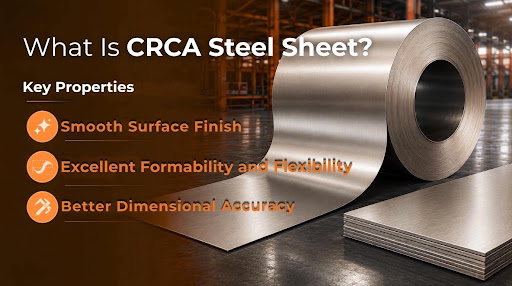
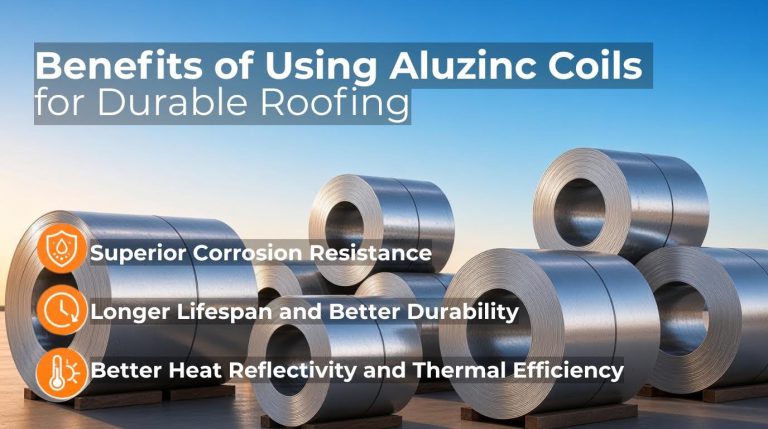
Galvalume is supplied in multiple forms, including flat sheets, profiled GL sheet, and galvalume coil, allowing it to be adapted for roofing, cladding, fabrication, and manufacturing uses. Galvalume demonstrates superior resistance to corrosion and better thermal reflectivity compared with conventional galvanized steel. Both of these directly influence its application versatility.
Applications of Al-Zn Coated Roofing Sheet
Galvalume is widely used across industries and environments because of its balanced mechanical strength and corrosion resistance and thermal performance.
-
Construction & Architecture Applications
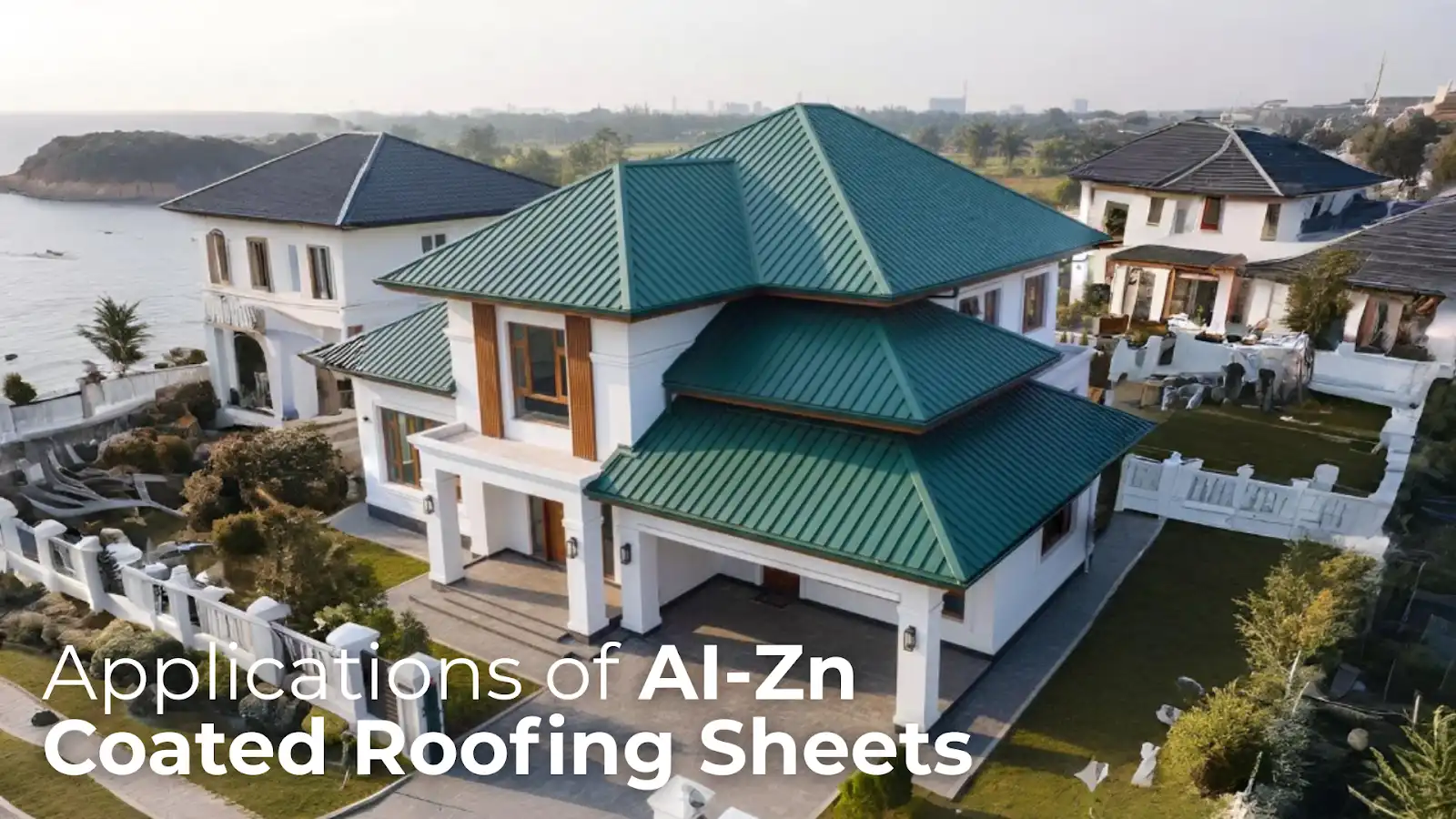
One of the most common uses of AI-Zn sheets in construction is in roofing and cladding systems. Galvalume roofing sheet products are extensively installed in residential homes and commercial buildings and also industrial sheds.
The advantages of galvalume sheets in architecture include reduced maintenance and compatibility with contemporary profiles and resistance to weather-related deterioration. As a result, architects often specify Galvalume for façades and canopies, even prefabricated structures. This is where visual appeal and durability must coexist. -
Industrial & Infrastructure Applications
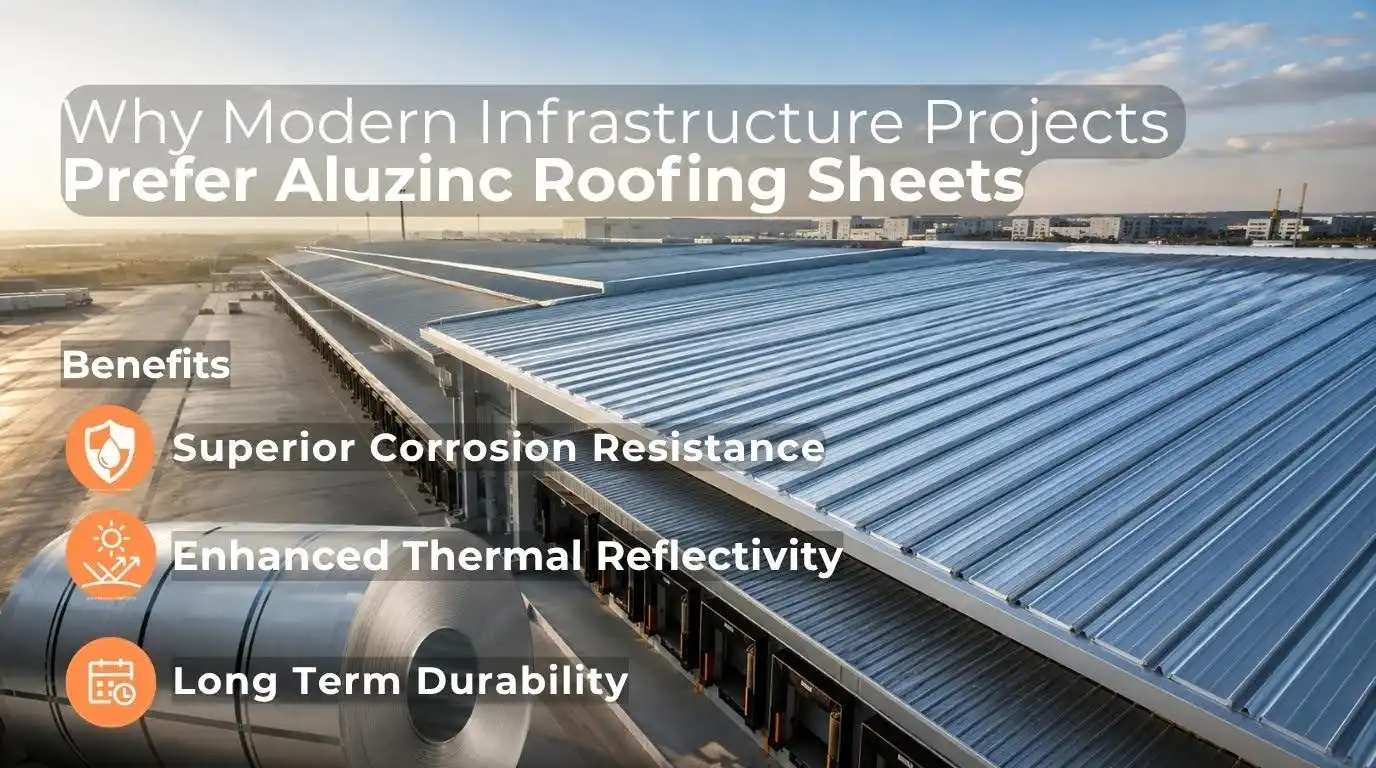
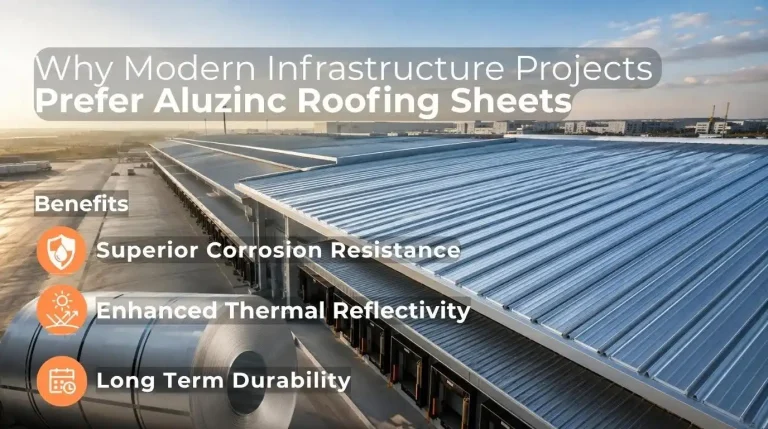
Industrial & Infrastructure Applications place continuous demands on materials due to constant exposure to load and moisture and environmental pollutants. Galvalume Sheets are widely used for roofing and wall panels in factories, logistics parks, power plants, and utility buildings. Their corrosion resistance minimizes maintenance interruptions. Their structural strength supports large-span designs commonly required in industrial facilities.
-
Agricultural Applications
Agricultural structures operate in conditions that can accelerate material degradation. This includes high humidity and chemical exposure from fertilizers also contact with animal waste. Galvalume Sheets are therefore widely used in agricultural buildings like farm sheds, poultry houses, dairy units, and grain storage facilities.
The aluminum-rich coating resists corrosion caused by ammonia and moisture but the reflective surface helps reduce internal heat buildup. This contributes to more stable indoor environments for livestock and stored produce. Also it supports productivity and long-term asset protection. -
Use of Galvalume in Household Appliances
The use of galvalume in household appliances represents an important non-construction application. Galvalume is commonly used for washing machine panels and refrigerator backs even in air-conditioner housings.
Manufacturers favor Galvalume because of its formability and dimensional stability and the resistance to corrosion under humid operating conditions. Its consistent surface quality also supports clean finishes and extended product life. This makes it suitable for appliances where reliability and appearance are equally important. -
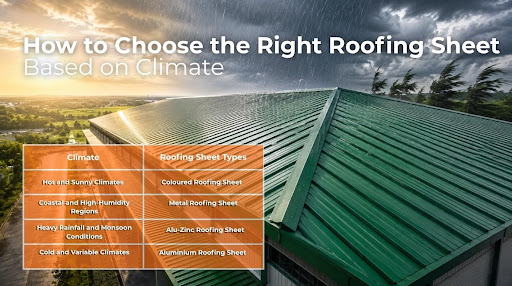
Galvalume Sheet Applications as per Climates
Environmental conditions strongly influence material performance. Galvalume Sheet Applications as per climates demonstrate why this product is selected across diverse regions.
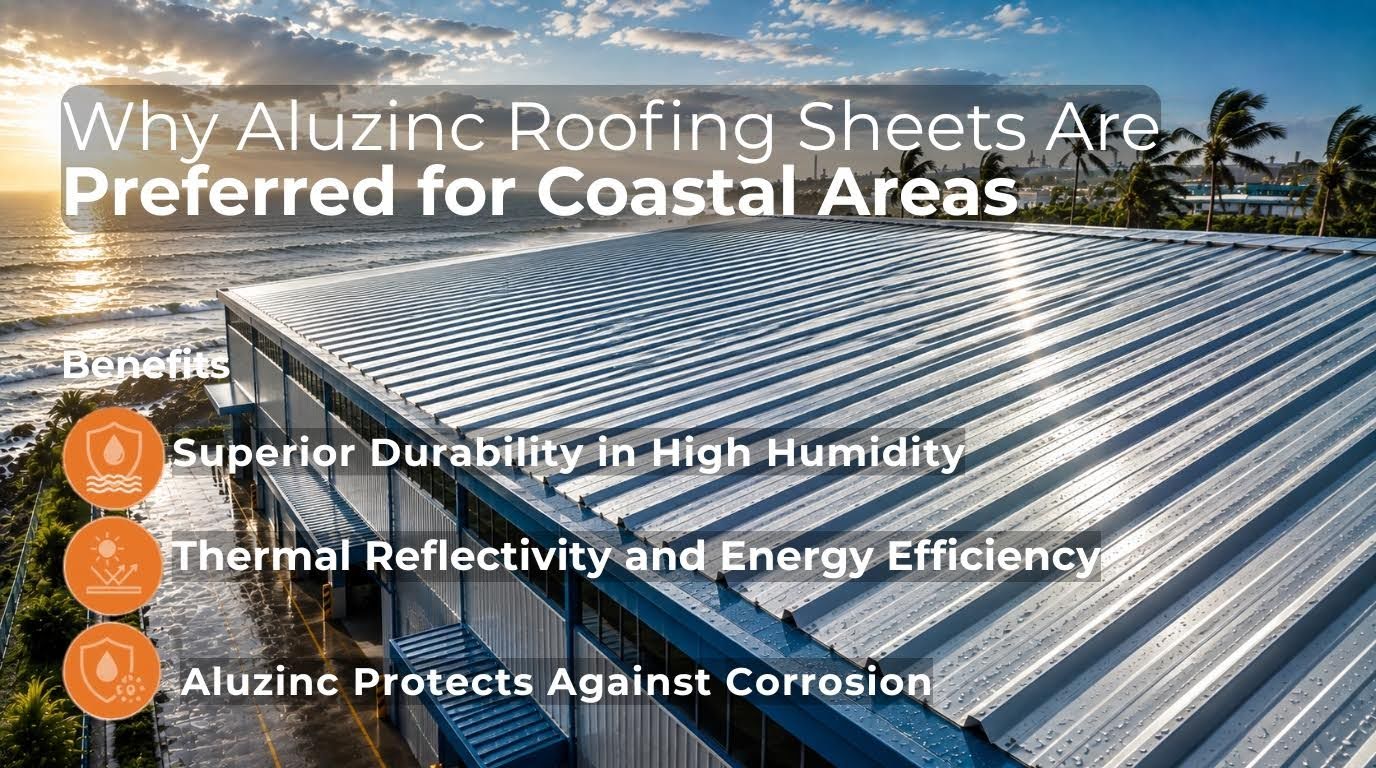
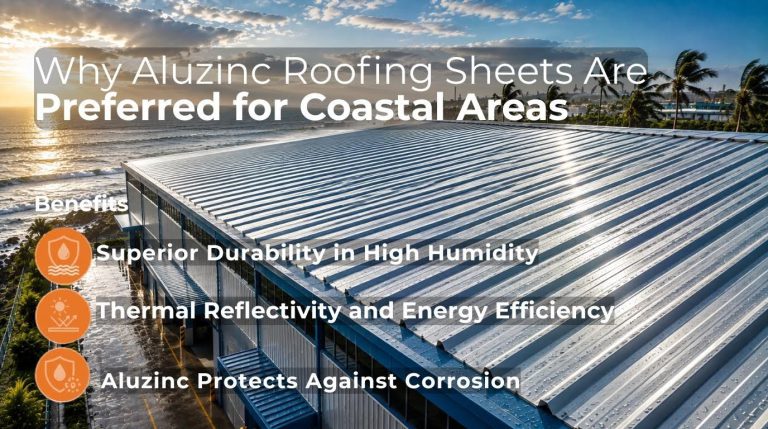
- Galvalume is preferred for its enhanced resistance to salt-laden air in coastal areas.
- Its high reflectivity helps limit heat absorption in roofing systems in hot climates.
- Galvalume performs reliably due to its resistance to moisture-related degradation in high-rainfall regions.
- In industrial zones, it withstands chemical pollutants more effectively than conventional coated steel.
This adaptability makes Galvalume suitable for use across a wide geographic range.
Factors to Consider When Choosing Galvalume Sheets for Applications
Selecting the right Galvalume Sheet requires aligning material specifications with functional and environmental demands.
Key factors include:
-
Coating thickness and alloy grade:
This determines the level of corrosion protection required, particularly in coastal, industrial, or high-humidity environments.
-
Sheet thickness and profile design:
Thickness and profile influence load-bearing capacity, wind resistance, and suitability for long-span roofing systems.
-
Environmental exposure conditions:
Local factors such as humidity, salt presence, airborne pollutants, and rainfall directly affect coating performance and longevity.
-
Structural load requirements:
The selected sheet must safely support wind loads, equipment weight, and span requirements without deformation.
-
Expected lifespan and maintenance expectations:
Balancing upfront investment with long-term durability helps optimize lifecycle cost and maintenance planning.
Evaluating these considerations ensures consistent performance and cost efficiency across different applications.
Conclusion
Galvalume Sheet delivers consistent performance in demanding conditions From roofing and cladding even industrial. Its corrosion resistance and thermal reflectivity, and long service life make it a dependable material choice across different climates.
Galvalume offers a clear advantage when applications require durability with low maintenance. Selecting the right specifications is essential for achieving the expected performance. Partnering with experienced manufacturers like SEL Tiger Roofing Sheets helps ensure reliable quality and correct material selection also long-term value for every project.
Written and Verified by:

SEL Tiger
Bio: SEL Tiger Roofing Sheets manufactures roofing sheets using advanced technology for industrial, commercial and domestic requirements. SEL Tiger Roofing Sheets supplies colour coated and Alu-Zinc coated sheets that offer superior strength, weather resistance, corrosion resistance and long-lasting value for every project.