

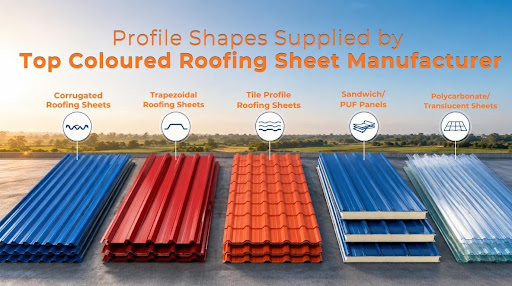
Roofing systems are expected to deliver more than basic protection from sun and rain. Modern construction projects now demand roofing solutions that combine durability and structural performance with energy efficiency. The type of roofing profile used can significantly influence the building’s long-term performance.
This is why choosing the right coloured roofing sheet profile has become an important part of construction planning. Today’s leading manufacturers offer a wide variety of profile shapes designed for different structural requirements.
In this article, you will understand the different profile shapes supplied by top manufacturers and how profile selection impacts roofing strength, durability and long-term building performance.
Best Roofing Sheet Profiles for Industrial and Residential Buildings
Different buildings require different roofing capabilities. Industrial structures usually prioritise durability and span strength, while residential projects often focus on appearance along with protection.
-
Corrugated Roofing Sheets
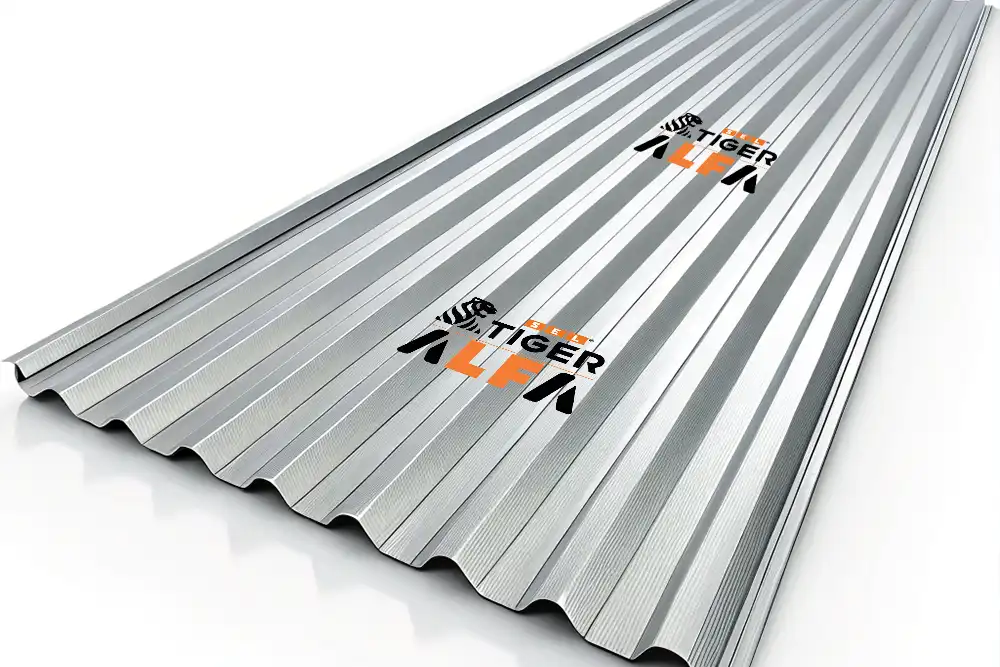
Corrugated roofing sheets continue to remain one of the most widely used roofing options across industrial, agricultural and semi-commercial projects. Their wave-shaped design improves rigidity while allowing efficient rainwater flow during heavy weather conditions.
These sheets are commonly preferred because they offer:
- Reliable structural strength
- Lightweight installation
- Cost-effective roofing solutions
- Good weather resistance
- Easy maintenance
Corrugated profiles are highly adaptable and perform effectively in varying climate conditions, which is why they remain popular across multiple construction sectors in India.
-
Trapezoidal Roofing Sheets
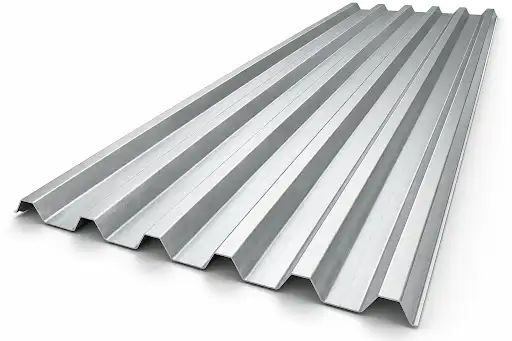
Trapezoidal roofing sheets are specifically designed for projects that require higher load-bearing capacity and better structural stability. Their angular ribbed structure provides greater rigidity compared to conventional profiles.
These sheets are widely used in:
- Industrial plants
- Warehouses
- Factories
- Commercial sheds
- Logistics and storage facilities
-
Tile Profile Roofing Sheets
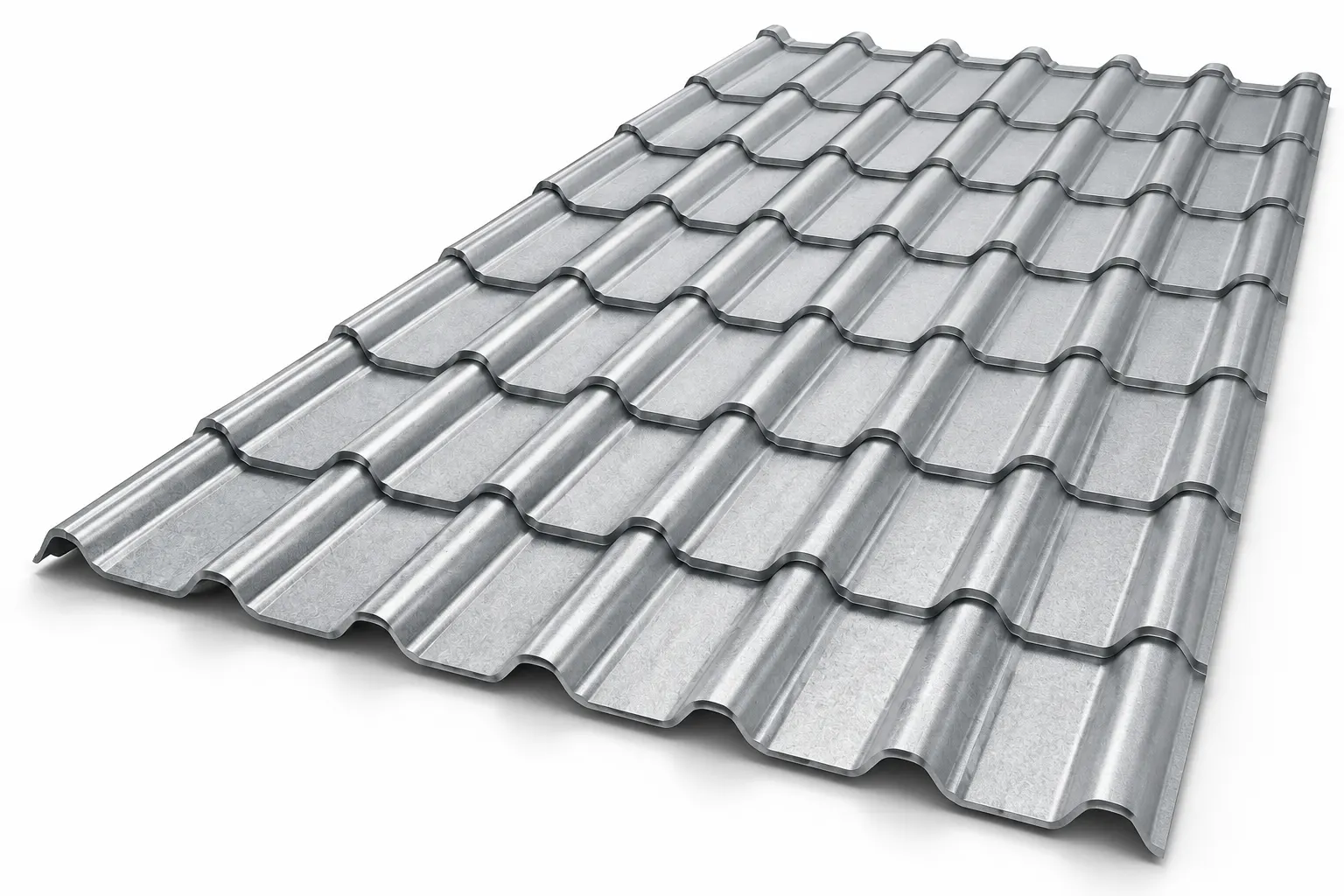
Tile profile roofing sheets offer the visual appeal of traditional roof tiles while providing the durability benefits of metal roofing systems for residential and architectural applications.
Homeowners increasingly prefer tile profile sheets because they combine:
- Elegant appearance
- Better longevity than conventional tiles
- Reduced maintenance requirements
- Faster installation process
- Lightweight construction benefits
These roofing sheets are especially popular in modern villas, resorts and premium residential developments where aesthetics are equally important as durability.
-
Sandwich/PUF Panels
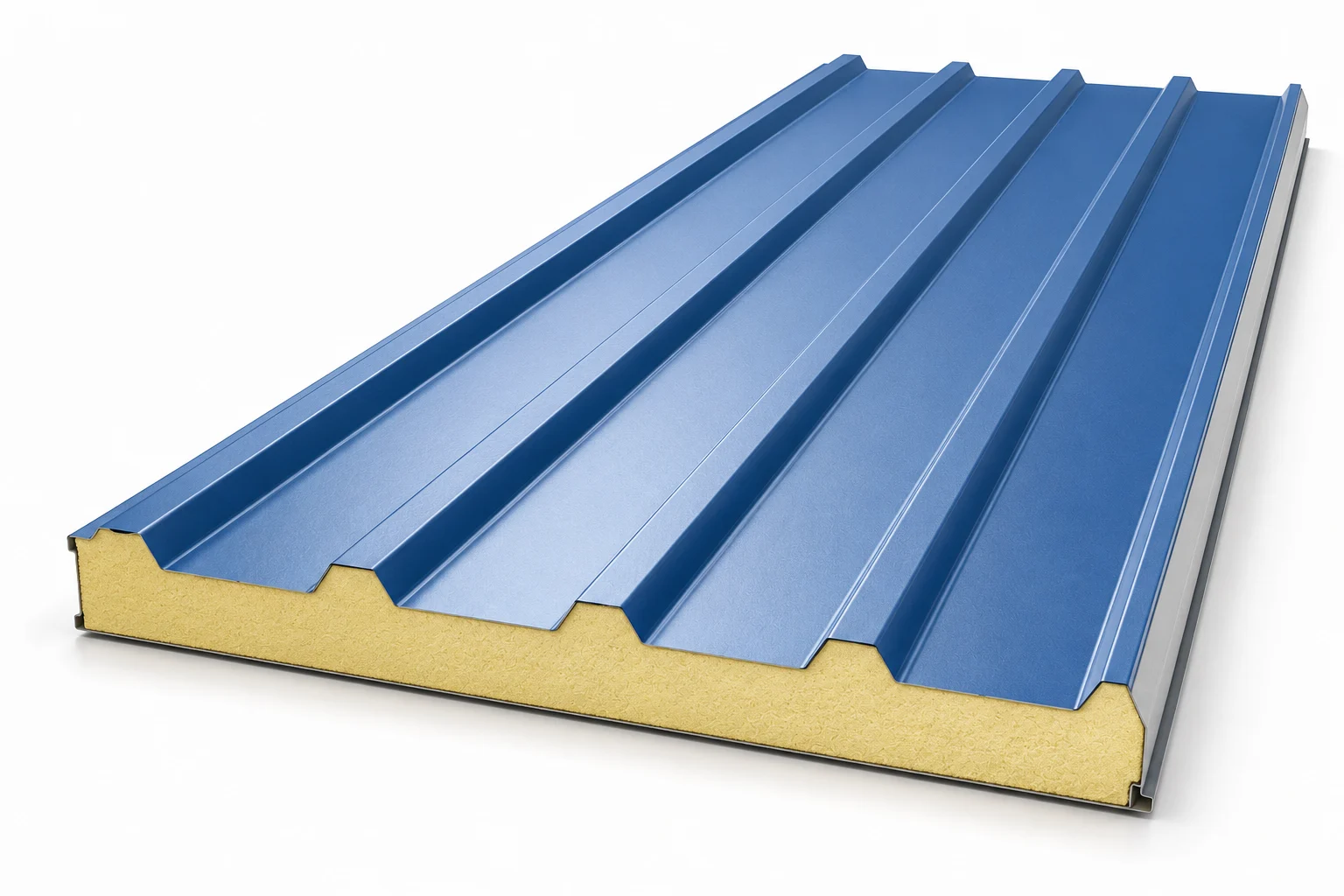
Sandwich/PUF panels are becoming increasingly important in modern infrastructure projects where insulation and temperature control are essential. These panels contain an insulating layer between two metal sheets, helping maintain indoor thermal stability.
They are commonly used in:
- Cold storage facilities
- Food processing industries
- Commercial buildings
- Industrial units
- Prefabricated structures
As energy efficiency becomes a major focus in 2026 construction trends, insulated roofing systems are seeing stronger demand across multiple sectors.
-
Polycarbonate/Translucent Sheets
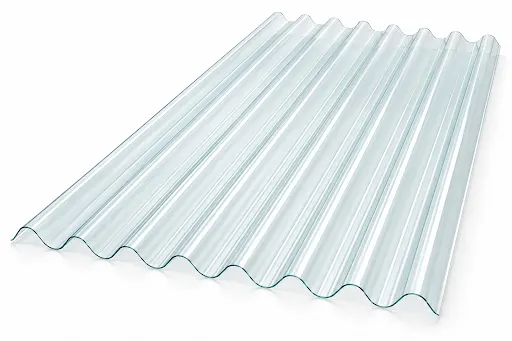
Polycarbonate/Translucent sheets are often integrated with metal roofing systems to allow controlled natural daylight inside structures.
These sheets are frequently installed in:
- Industrial workshops
- Warehouses
- Agricultural buildings
- Greenhouses
- Commercial roofing systems
Natural lighting helps reduce dependence on artificial lighting during daytime hours, improving both energy efficiency and workspace visibility.
What Factors to Consider Before Choosing Roofing Sheet Profiles?
Selecting the right roofing profile requires balancing structural needs, environmental conditions and long-term performance expectations.
Some important factors to consider before choosing roofing sheet profiles include:
- Type of building and project purpose
- Roof slope and drainage requirements
- Climate and weather exposure
- Structural span and wind load conditions
- Thermal insulation requirements
- Visual and architectural preferences
- Long-term maintenance considerations
Choosing the wrong profile can affect not only durability but also installation efficiency, maintenance costs and energy performance. This is why consulting experienced manufacturers becomes important during project planning.
Applications of Different Roofing Sheet Profiles
Different roofing sheet profiles are developed to suit specific structural and operational requirements.
Application of Corrugated Roofing Sheets
Corrugated sheets are ideal for residential, agricultural and industrial buildings. They are suitable for sheds, warehouses, garages and temporary structures because of their strength and affordability.
Application of Trapezoidal Roofing Sheets
Trapezoidal-shaped sheets are commonly used for factories, warehouses, commercial buildings and industrial sheds. Their ribbed design provides high strength and efficient water drainage.
Application of Tile Profile Roofing Sheets
Tile profile roofing sheets are used for homes, villas, resorts and commercial buildings where a traditional tiled appearance is desired while still offering durability and easy installation.
Application of Sandwich/PUF Panels
Sandwich panels are best suited for cold storage facilities, clean rooms, warehouses, factories and temperature-controlled buildings. They provide excellent thermal insulation and energy efficiency.
Application of Polycarbonate/Translucent Sheets
Translucent sheets are used for skylights, factories, warehouses, parking areas and agricultural structures. They allow natural light while providing weather protection.
Conclusion
Roofing profile design has become a much more important factor in modern construction than many people realise. Today’s leading coloured roofing sheet manufacturer companies offer a wide variety of profile options to meet the growing demands of industrial, commercial and residential construction. Selecting the right roofing design is essential for achieving long-term durability and efficiency.
As infrastructure development continues evolving in 2026, businesses and homeowners are increasingly prioritising roofing systems that combine strength, functionality and visual appeal. Roofing today is no longer just about protection but has become an important part of long-term building performance and sustainable construction planning.
Written and Verified by:

SEL Tiger
Bio: SEL Tiger Roofing Sheets manufactures roofing sheets using advanced technology for industrial, commercial and domestic requirements. SEL Tiger Roofing Sheets supplies colour coated and Alu-Zinc coated sheets that offer superior strength, weather resistance, corrosion resistance and long-lasting value for every project.