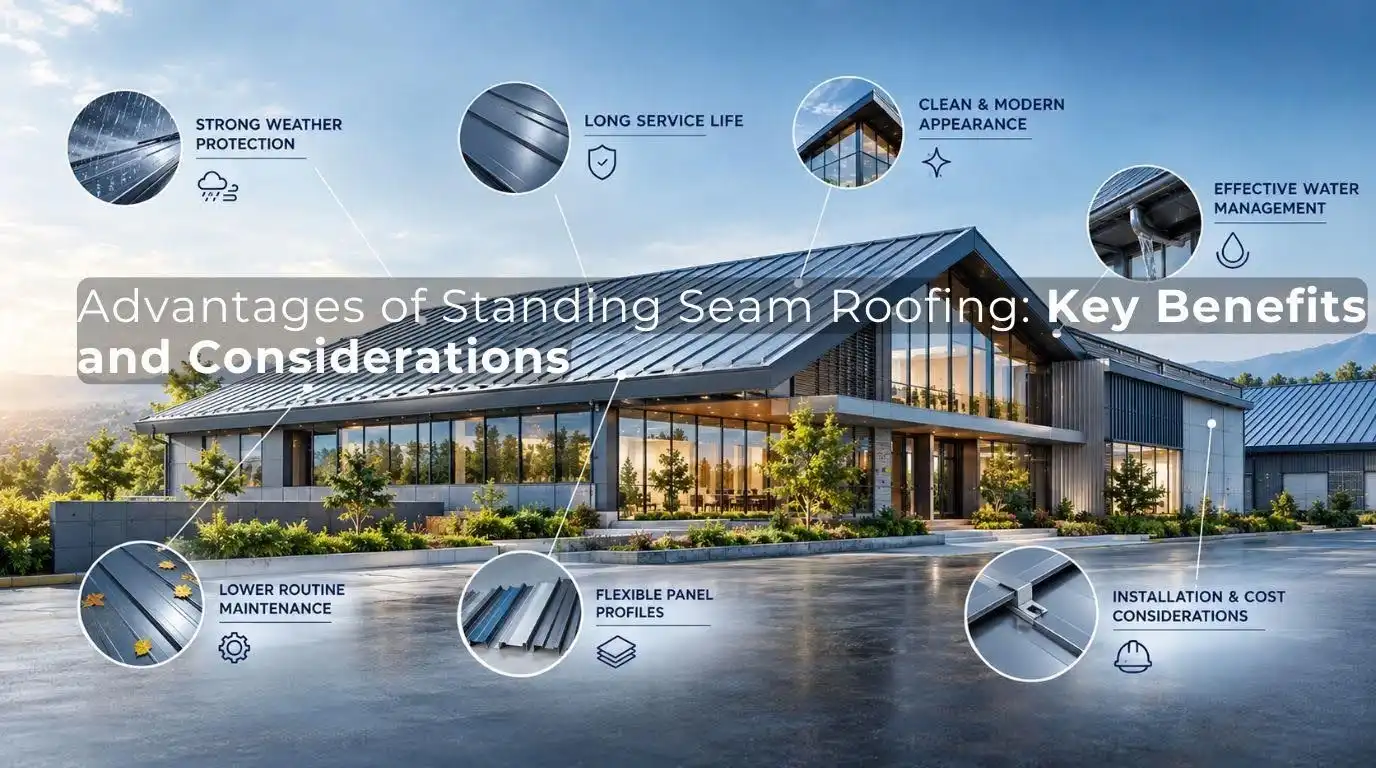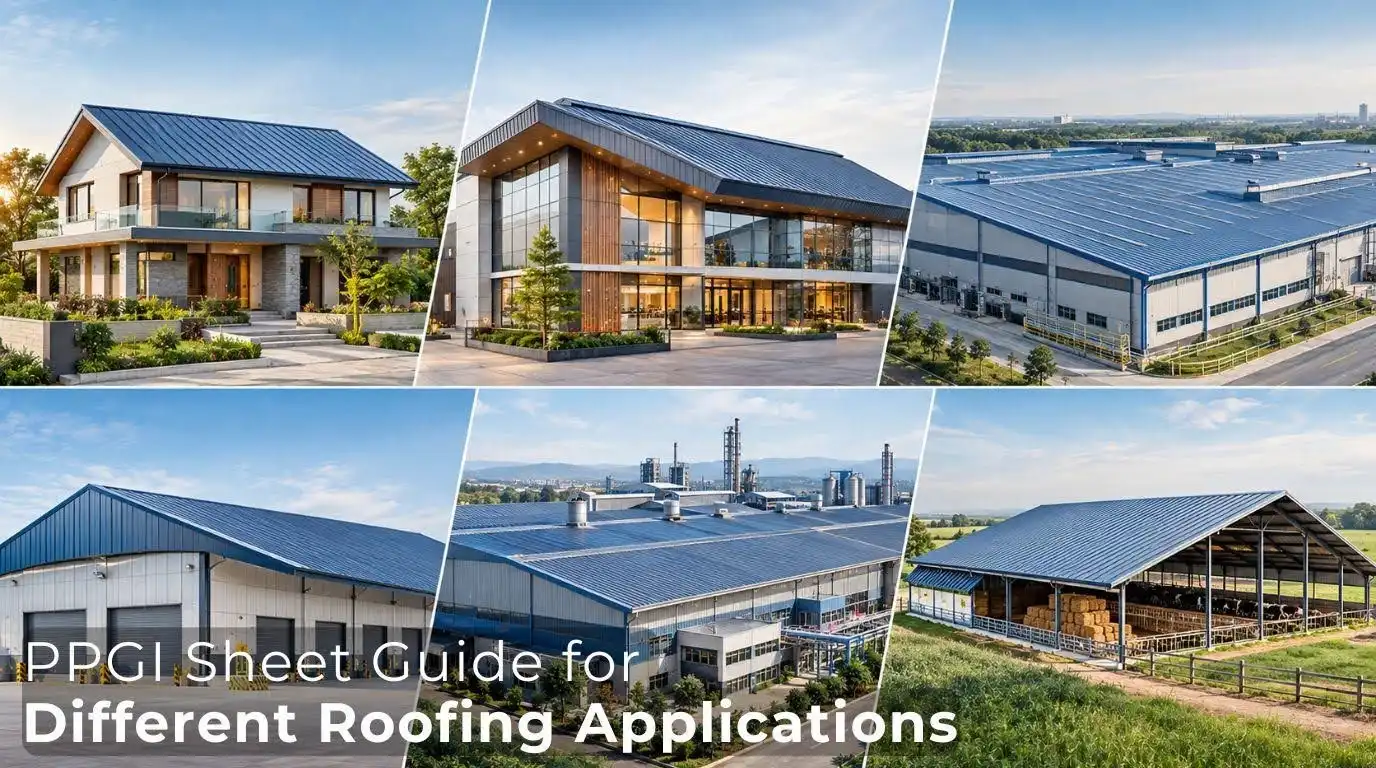


Roofing expectations in India have grown significantly as the demand for durable and visually appealing with climate resilient materials continues to rise. Homeowners and architects and industry professionals now seek roofing systems capable of resisting heavy rains, storms, heat and prolonged UV exposure. They also contribute to building design.
This shift has positioned modern roofing sheets as an essential element of structural protection. With advanced manufacturing processes and improved metallic coatings, especially those used by reputed brands, roofing sheets now offer long-term performance and reliability.
This article explores what roofing sheets are, the main types of roofing sheets, their applications, and the advantages that make them indispensable in 2025.
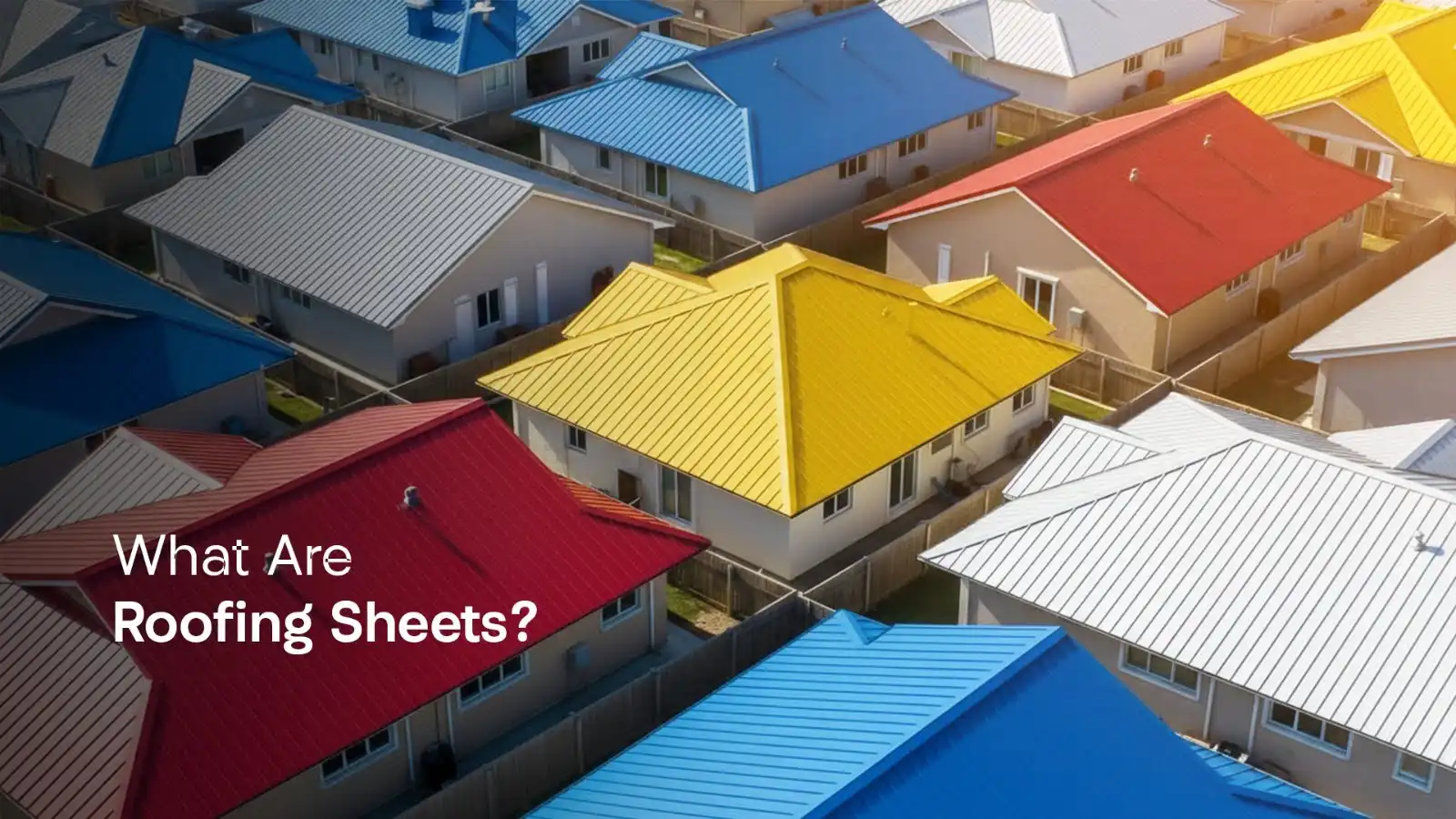
What are Roofing Sheets?
Roofing sheets are high-quality roofing materials produced using steel combined with advanced coatings to deliver strong resistance against environmental challenges. In a climate as diverse as India’s, these sheets protect structures from heat, heavy rainfall, humidity, and seasonal shifts.
Known manufacturers incorporate Al-Zn alloy coated steel and durable paint layers with modern roll-forming methods to ensure consistency across every sheet manufactured. This approach results in materials that support long-term structural safety while enhancing architectural character. Their adaptability makes them suitable for residential, commercial, and industrial environments.
Types of Roofing Sheet Materials
A variety of roofing sheet materials are available today, each manufactured for specific performance needs and environmental conditions. The major types of roofing sheets have been mentioned below.
-
Colour Coated Roofing Sheets
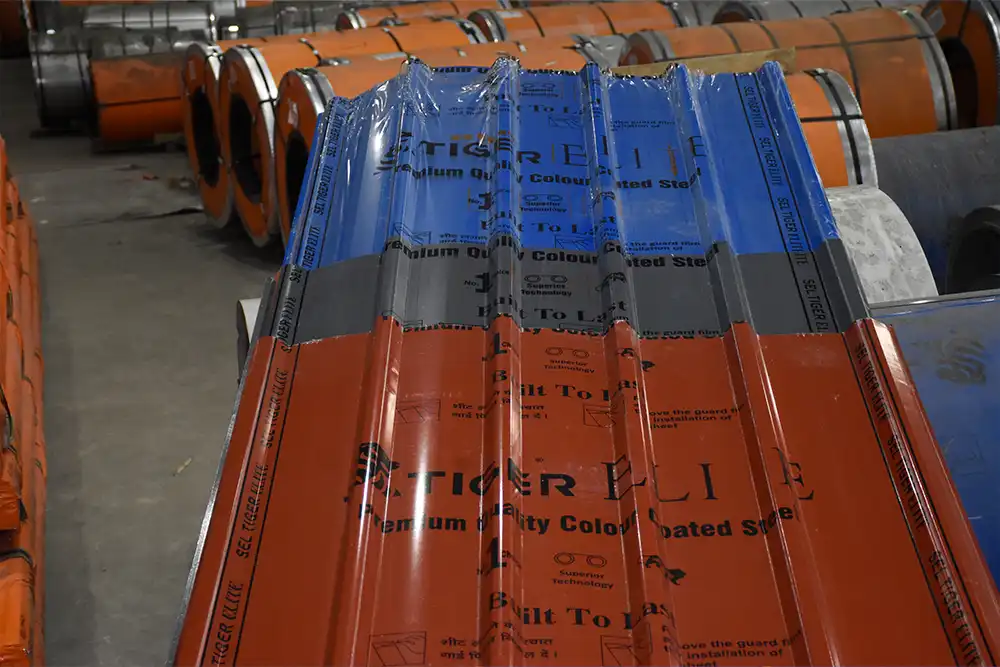
Coloured roofing sheets are produced using steel coated with primer and high-quality paint designed for long-term performance. These coloured roofing sheets are preferred in both residential and commercial settings where aesthetic consistency is essential.
Their lightweight profile enables efficient installation, while the enhanced paint system prevents fading, peeling, and surface deterioration. For properties that prioritise architectural presentation along with durability, colour-coated sheets serve as an effective choice.
-
Galvalume Roofing Sheets
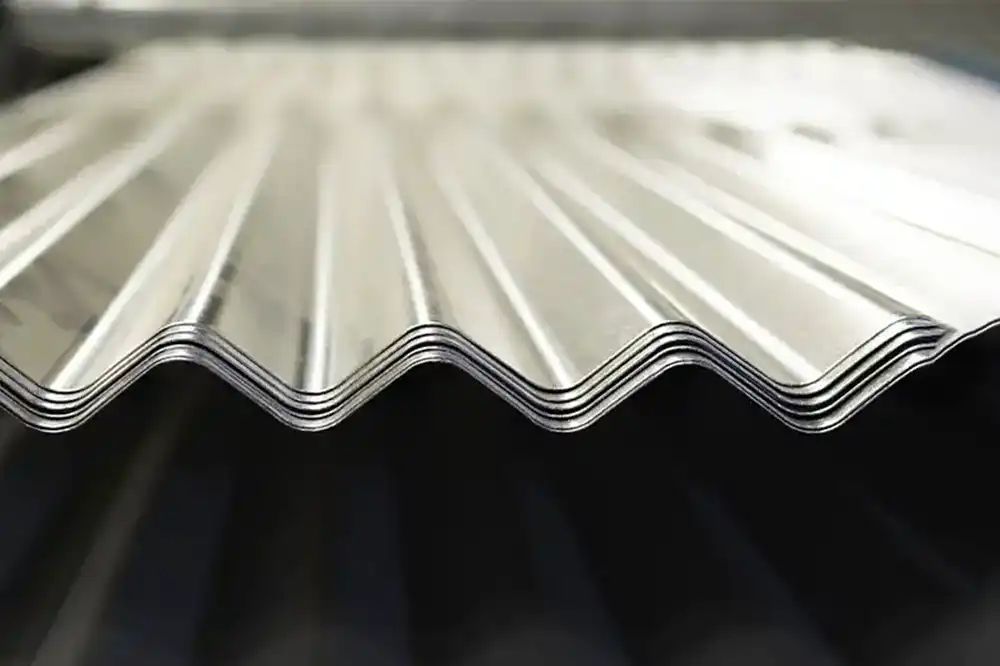
Galvalume roofing sheets utilise steel coated with an aluminium-zinc alloy which significantly improves corrosion resistance. The aluminium component resists oxidation while zinc protects exposed edges, resulting in a longer operational lifespan.
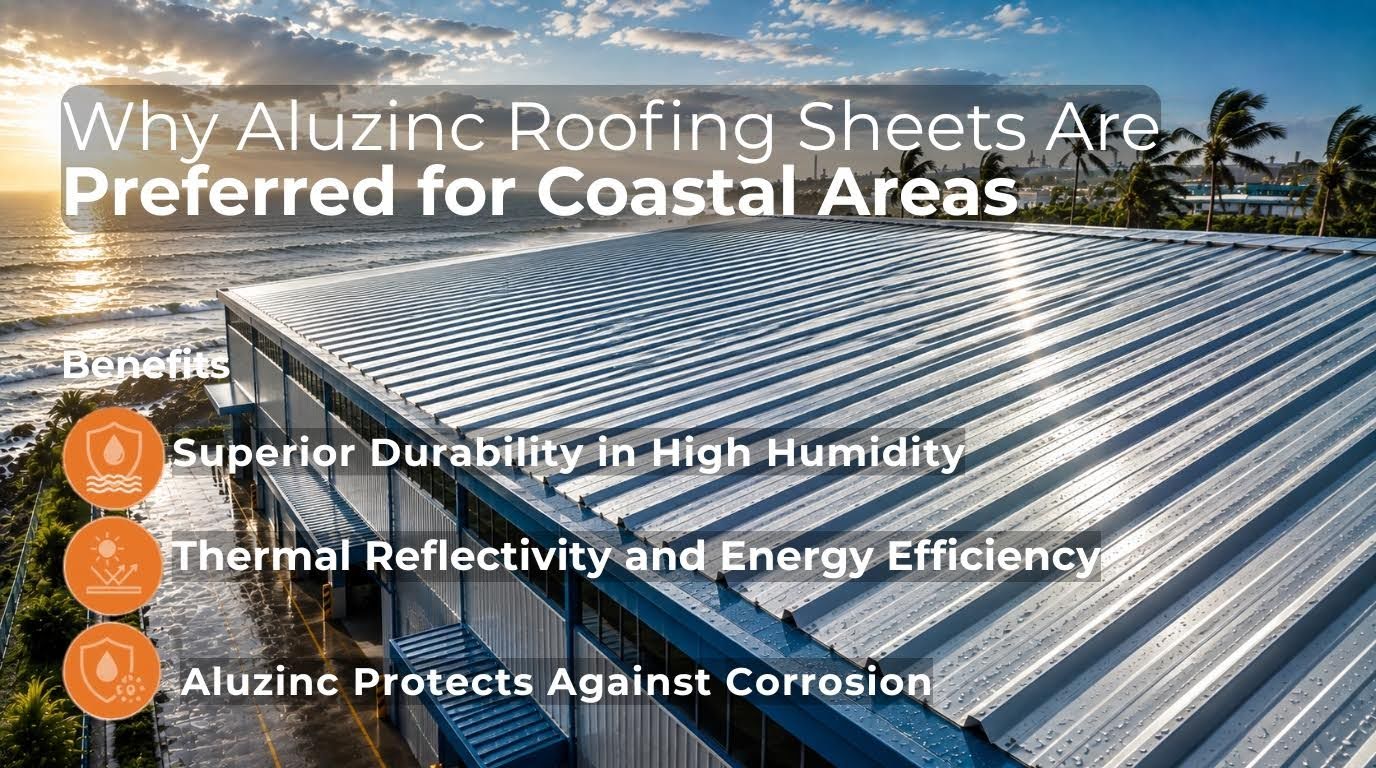
These sheets are especially effective in coastal regions, industrial zones, and high-humidity locations where corrosion is a persistent concern. Their strength, weather resistance, and consistent structural stability make them a dependable selection for long-term roofing requirements.
-
Aluzinc Sheets & Coils (GL Sheets)
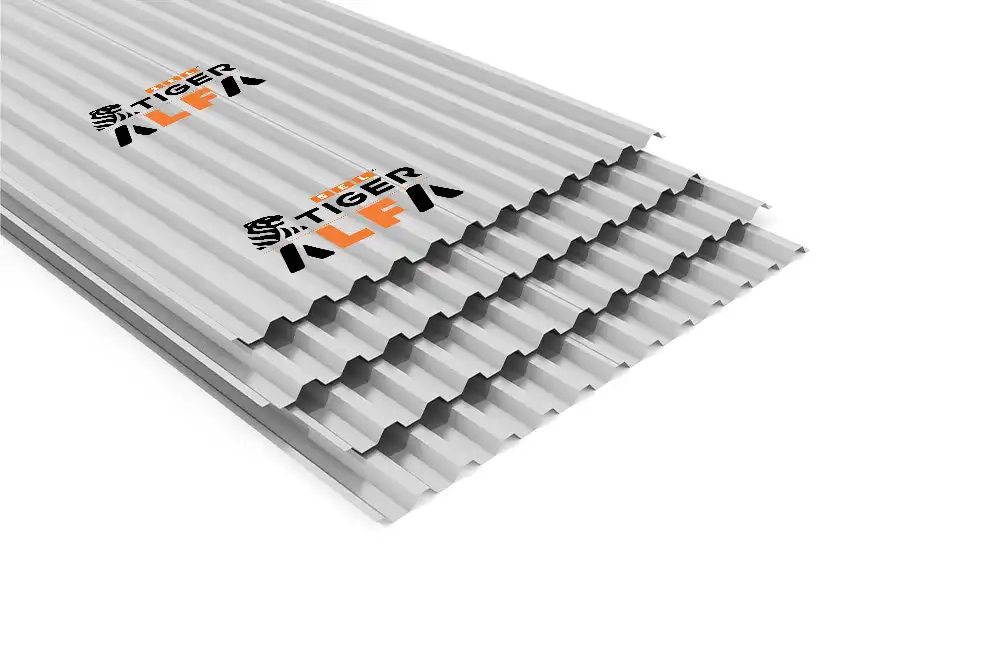
Aluzinc or GL sheet are another advanced option derived from the AI-Zn coating family. These sheets offer a refined surface, strong anti-corrosion qualities with the ability to perform well under fluctuating weather conditions.
Their metallic coating makes them suitable for both roofing and cladding, supporting a wide range of industrial and commercial structures. Due to their durability and low maintenance, GL sheets have emerged as an effective alternative to older corrugated sheet materials.
-
Galvanized Roofing Sheets
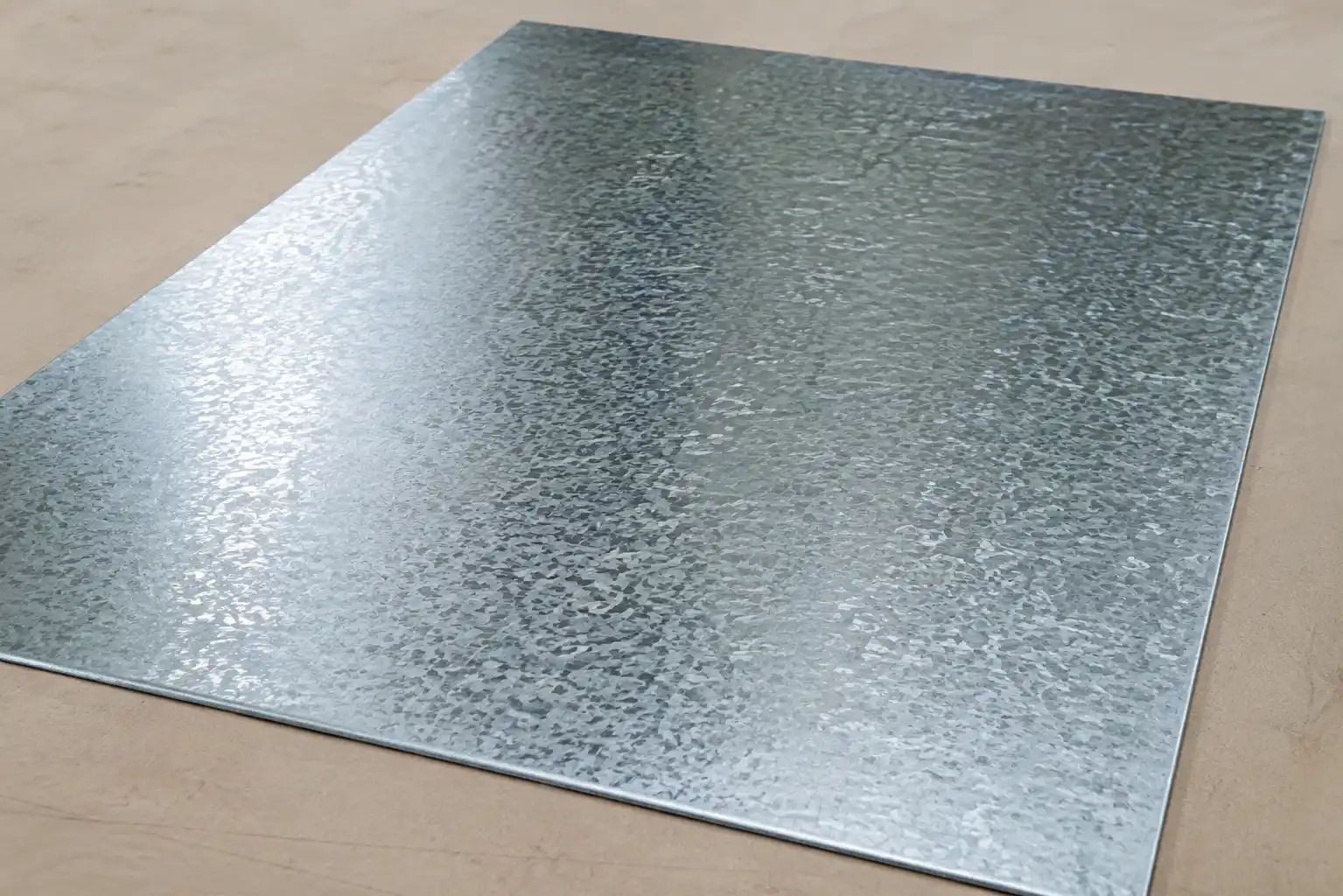
Galvanized roofing sheets are manufactured from steel coated with a protective layer of zinc. The zinc coating acts as a durable barrier, extending the sheet’s lifespan while maintaining structural strength in various weather conditions. These gi sheets are widely used for residential, commercial, agricultural, and industrial roofing applications due to their affordability, durability, and low maintenance requirements. Their robust construction offers reliable protection against rain, heat, and environmental exposure, making galvanized roofing sheets a dependable and cost-effective solution for long-term roofing projects.
-
PVC Roofing Sheets
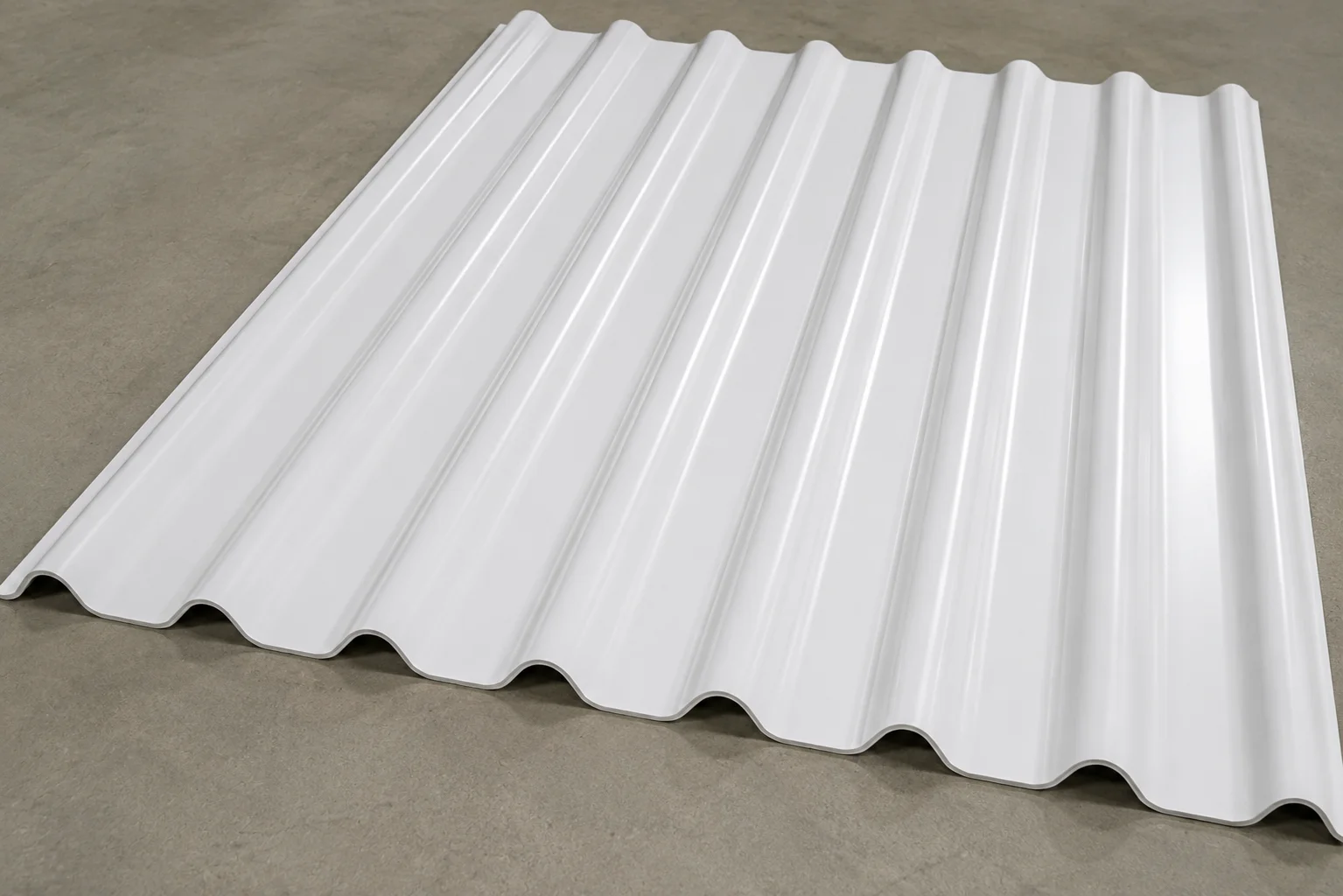
PVC roofing sheets are manufactured from high-quality polyvinyl chloride (PVC), offering a lightweight yet durable roofing solution with excellent resistance to moisture, chemicals, and corrosion. Their non-metallic composition prevents rust and ensures reliable performance even in harsh environmental conditions. These roofing sheets are widely used for industrial, commercial, agricultural, and residential applications where long-lasting weather protection and low maintenance are essential. Their superior thermal insulation, UV resistance, and impact strength help maintain comfortable indoor temperatures while providing dependable protection against rain, sunlight, and chemical exposure, making PVC roofing sheets an efficient and cost-effective roofing choice.
-
Fibre Cement Sheets
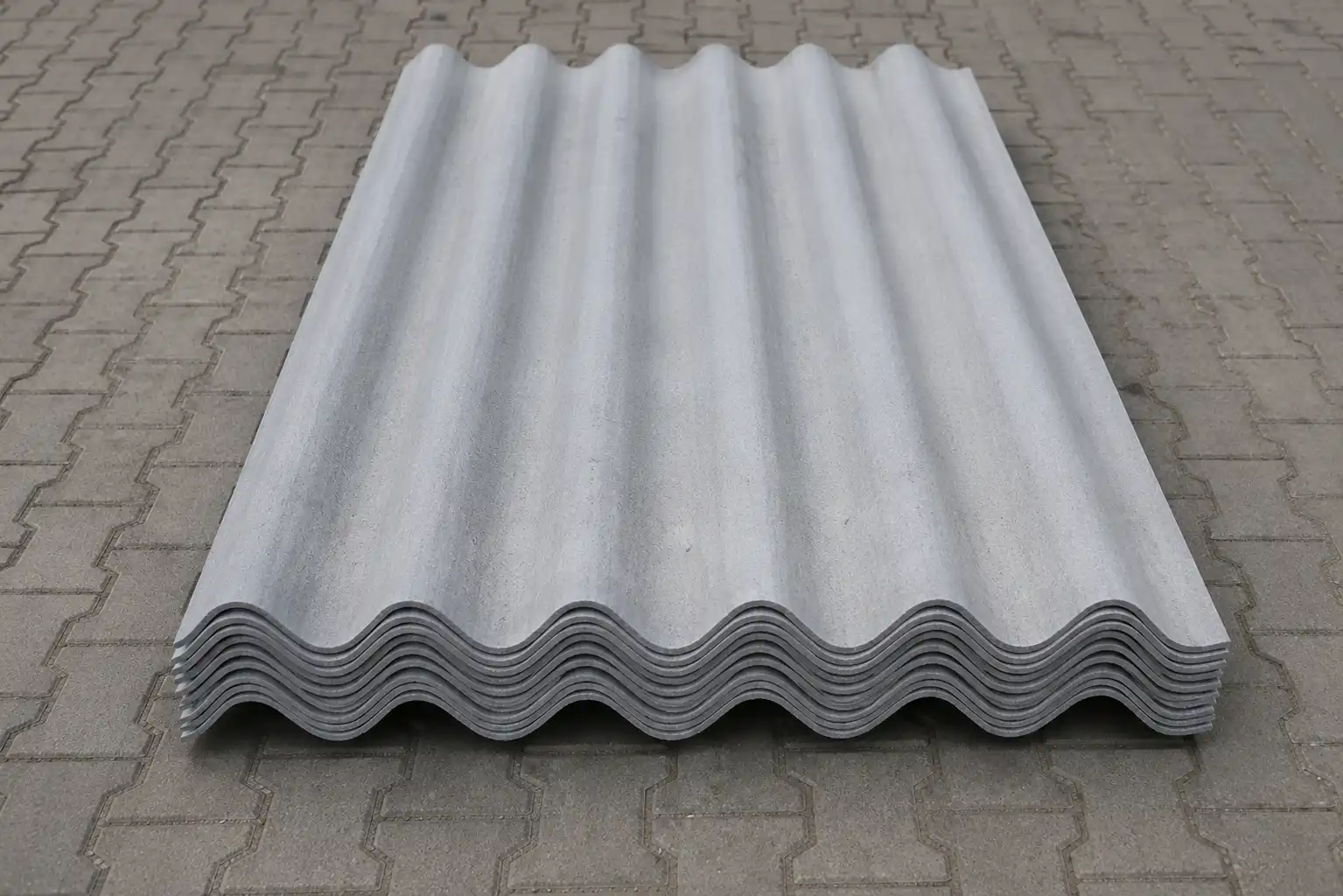
Fibre cement roofing sheets are manufactured using a blend of cement, reinforced fibres, and other high-quality materials, delivering exceptional strength, durability, and weather resistance. Their robust composition provides excellent protection against moisture, fire, termites, and corrosion, making them a reliable roofing solution for demanding environments. These cement sheets are widely used for residential, commercial, agricultural, and industrial buildings due to their long service life and minimal maintenance requirements. Their excellent thermal and sound insulation properties help create comfortable indoor spaces, while their ability to withstand harsh weather conditions makes fibre cement sheets a dependable and cost-effective choice for long-term roofing applications.
Roofing Sheet Materials Comparison Table
| Type | Lifespan | Cost | Best For | Rust Resistance |
|---|---|---|---|---|
| Colour Coated Roofing Sheets | 20-30 years | ₹40 to ₹60 per square foot | Residential homes, commercial buildings, warehouses, aesthetic roofing | Excellent (protective paint coating over galvanized/galvalume steel) |
| Galvalume Roofing Sheets | 30-50 years | ₹45 to ₹85 per sq ft (as per coating and thickness) | Industrial buildings, factories, coastal and high-moisture areas | Excellent (aluminum-zinc alloy coating provides superior corrosion resistance) |
| Aluzinc Sheets | 30-50 years |
|
Roofing, wall cladding, pre-engineered buildings (PEBs), industrial applications | Excellent (55% aluminum, 43.4% zinc, 1.6% silicon coating) |
| Galvanized Roofing Sheets | 15-25 years | ₹40 to ₹80 per sq ft (as per coating and thickness) | Budget residential projects, garages, fencing, rural buildings | Good (zinc coating protects steel but may degrade faster in coastal environments) |
| PVC Roofing Sheets | 20-30 years | ₹45 to ₹85 per sq ft (as per profile and thickness) | Chemical plants, factories, patios, greenhouses, corrosive environments | Outstanding (non-metallic, completely rust-proof) |
| Fibre Cement Sheets | 30-50 years | 25-80 (as per profile, thickness and brand) | Residential roofing, schools, industrial buildings, areas requiring fire resistance | Excellent (contains no metal, so it does not rust) |
Learn More
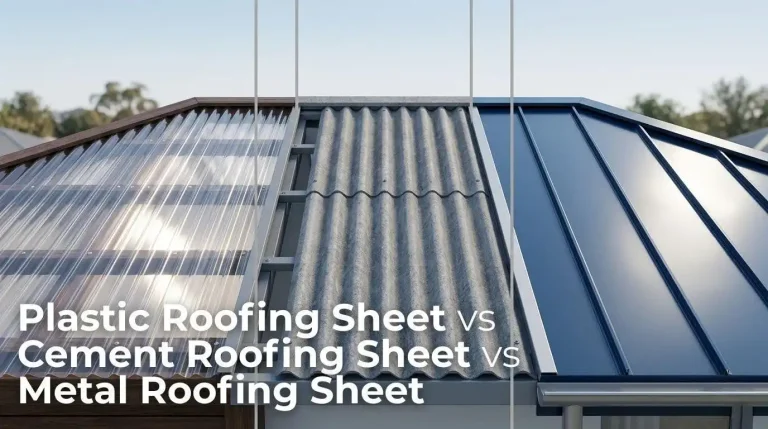
- Plastic Roofing Sheet vs Cement Roofing Sheet vs Metal Roofing Sheet
- Difference Between GI Sheet and Colour Coated Sheet
- Aluzinc vs. Galvanized Roofing
Types of Roofing Sheet Profiles
Different roofing sheet profiles are designed to meet varying structural, aesthetic, and drainage requirements. Choosing the right profile depends on the building type, roof slope, and environmental conditions. Below are some of the most commonly used roofing sheet profiles.
-
Trapezoidal Profile Sheets
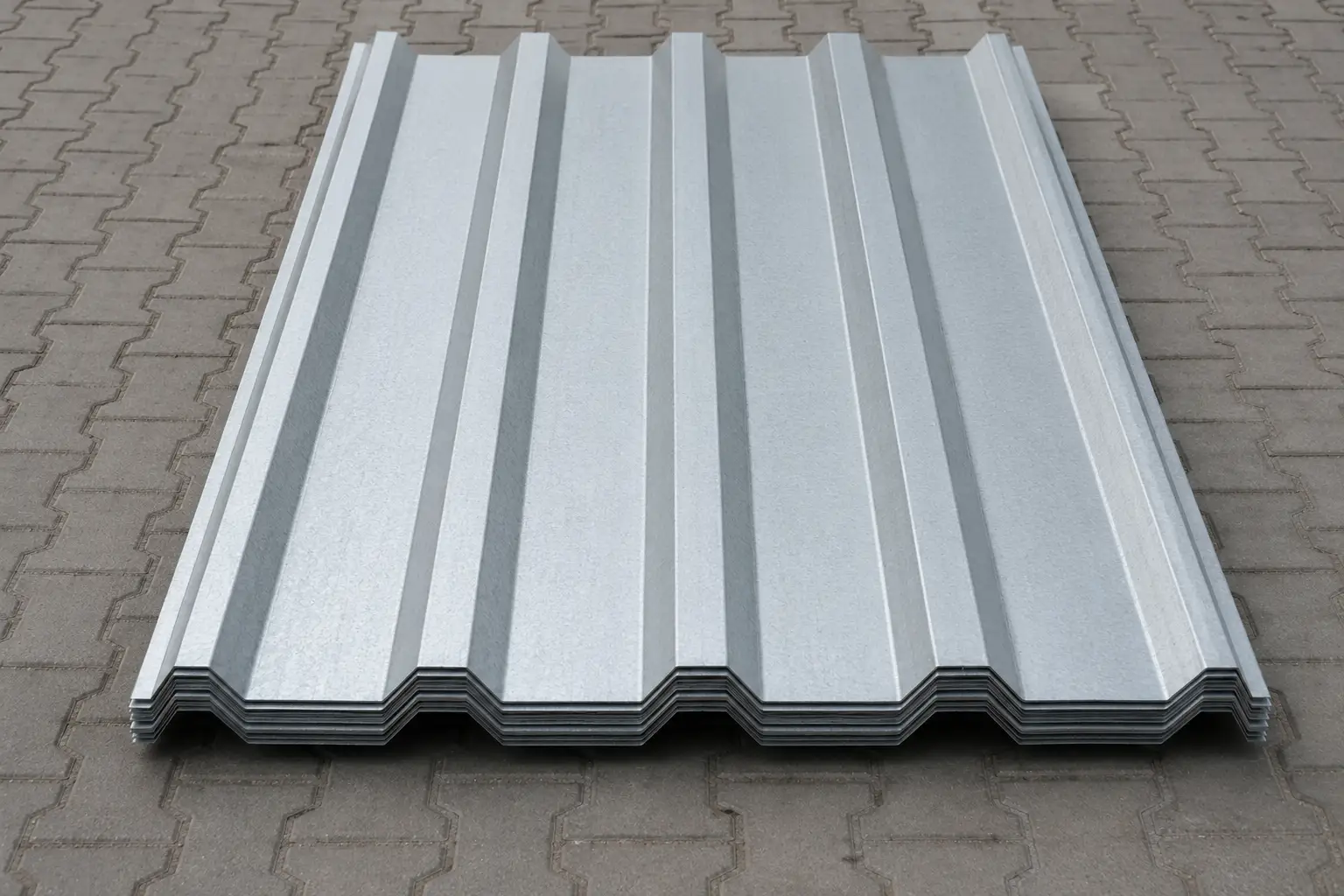
Trapezoidal profile sheets are among the most widely used roofing sheets for industrial, commercial, and warehouse buildings. Their angular rib design provides excellent strength, allowing them to span longer distances while maintaining structural stability. These roofing sheets offer efficient rainwater drainage, easy installation, and long-lasting performance. Their modern appearance and high load-bearing capacity make them an ideal choice for factories, workshops, and large commercial structures.
-
Corrugated Roofing Sheet
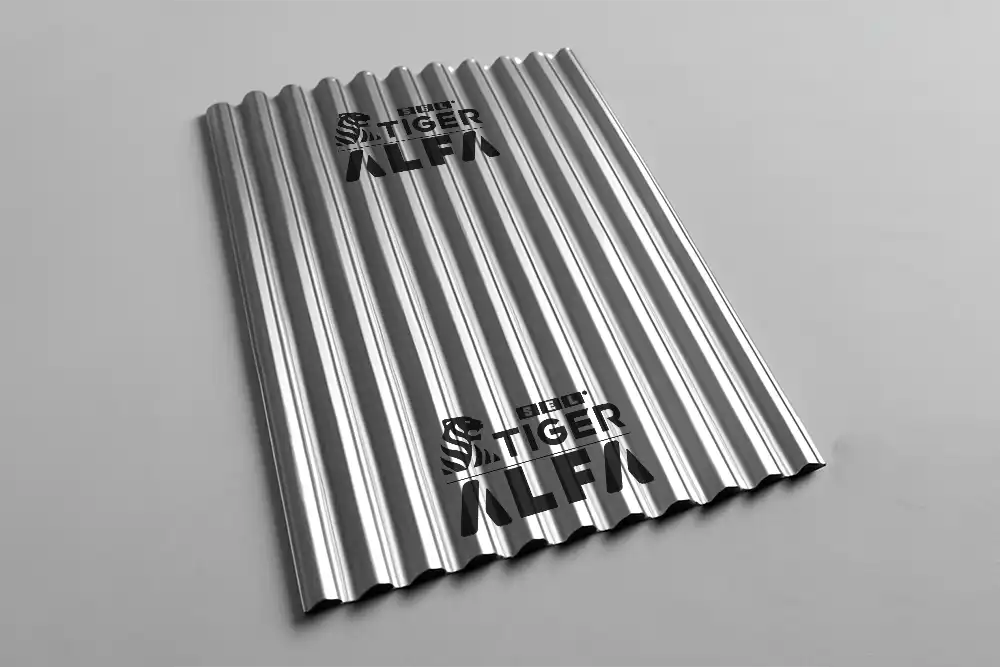
Corrugated roofing sheets are manufactured to a wave shaped profile that provides excellent strength and load-bearing capacity. Their durable design ensures reliable performance while remaining lightweight for easy handling and installation. These corrugated sheets are widely used for residential, commercial, agricultural, and industrial buildings due to their cost-effectiveness and weather resistance. Their corrugated profile enables efficient water drainage, while the corrosion-resistant coating (AluZinc) helps protect against rust, ensuring long-lasting durability with minimal maintenance.
-
Tile Profile Roofing Sheets
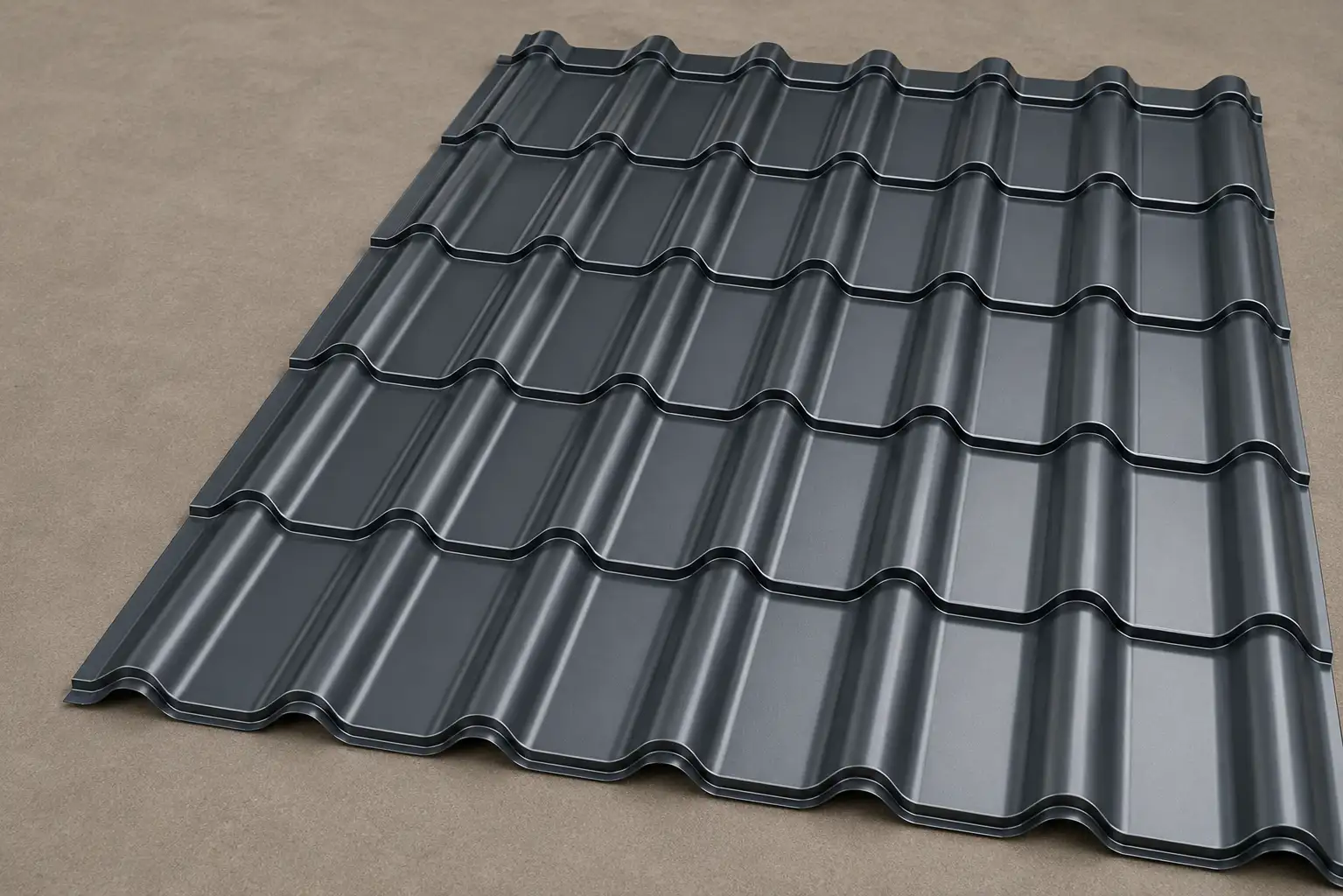
Tile profile roofing sheets are designed to replicate the appearance of traditional roof tiles while offering the durability and low maintenance of metal roofing. They are widely used in villas, residential homes, resorts, and commercial buildings where aesthetics are a priority. These sheets are lightweight, corrosion-resistant, and easy to install, providing an attractive roofing solution without the weight and maintenance requirements of conventional clay or concrete tiles.
-
Coil Type Roofing Sheet

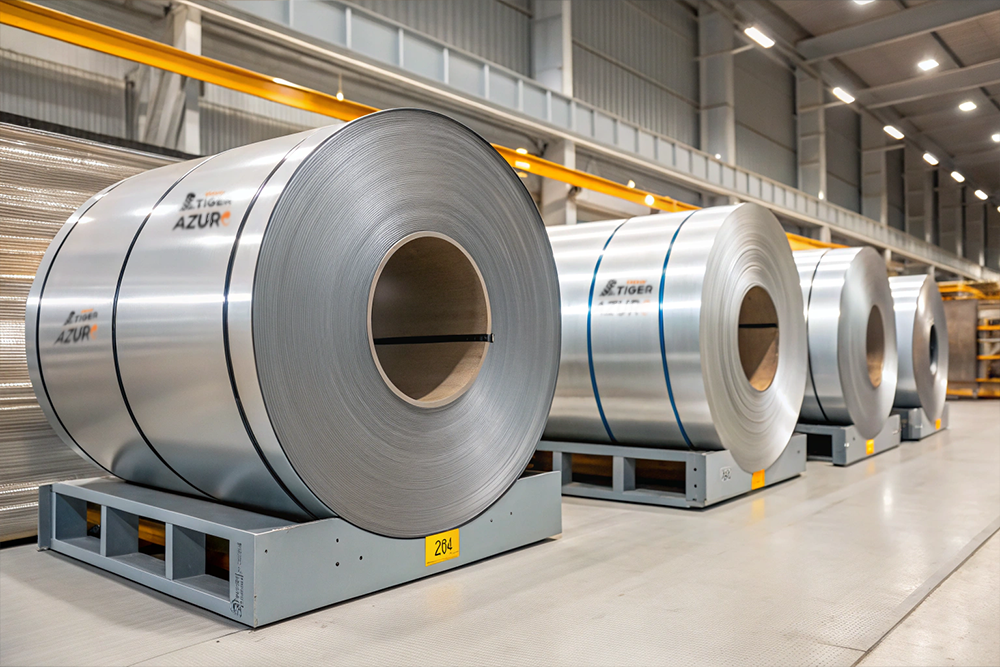
Coil type roofing sheets are manufactured directly from steel coils that are roll-formed into roofing profiles. This method ensures uniform thickness, high strength, and better finish quality. These roofing coils are widely used in industrial sheds, warehouses, commercial buildings, and residential roofing due to their durability and cost-effectiveness. Coil-based production allows easy customization in terms of length, colour coating, and profile design, making it a flexible roofing solution.
Roofing Sheet Profile Comparison Table
| Feature | Trapezoidal Profile Sheets | Corrugated Roofing Sheets | Tile Profile Roofing Sheets | Coil Type Roofing Sheet |
|---|---|---|---|---|
| Profile Shape | Angular trapezoidal ribs | Continuous wave-like corrugations | Resembles traditional roof tiles | Flat metal coil (unprofiled) |
| Strength | Excellent load-bearing capacity | Good structural strength | Moderate to good | Depends on thickness and final profile |
| Water Drainage | Excellent due to deep ribs | Very good | Good | Not applicable until profiled |
| Wind Resistance | Excellent | Good | Good | Depends on final profile |
| Weight | Lightweight | Lightweight | Lightweight to moderate | Lightweight |
| Cost | Moderate | Low | Moderate to high | Lowest material cost (raw material) |
| Common Materials | Galvanized Steel (GI), Galvalume, Color-Coated Steel, Aluminum | Galvanized Steel (GI), Color-Coated Steel, Aluminum | Colour Coated Steel, Galvalume, Aluminum | GI, Galvalume, Colour Coated Steel, Aluminum Coils |
| Typical Thickness | 0.30-0.80 mm | 0.25-0.80 mm | 0.35-0.60 mm | 0.20-1.20 mm |
| Maintenance | Low | Low | Low to moderate | Not applicable as a finished roofing product |
| Best Applications | Factories, warehouses, industrial sheds, commercial buildings | Agricultural buildings, warehouses, temporary structures, sheds | Residential homes, villas, resorts, commercial buildings | Manufacturing roofing sheets, wall cladding, flashings, gutters, and custom metal products |
| Advantages | High strength, long spanning capability, efficient drainage, economical for large roofs | Cost-effective, easy to install, readily available | Attractive appearance with the durability of metal roofing | Flexible raw material that can be custom roll-formed into various profiles |
| Limitations | Industrial appearance may not suit residential architecture | Lower load capacity than trapezoidal profiles | Higher cost and slightly slower installation | Cannot be used directly as a finished roofing sheet; requires profiling before installation |
Where are Roofing Sheets Used?
Owing to their adaptability and performance consistency, roofing sheets are utilised across a wide range of building categories.
-
Industrial Applications
Industrial buildings such as warehouses, manufacturing units, and storage facilities depend on metal roofing sheets for their ability to withstand demanding conditions. These environments require materials capable of handling temperature fluctuations, airborne contaminants, and mechanical stress. Galvalume and Aluzinc sheets perform well under these conditions, offering long-term corrosion resistance and structural stability. Know more about the Industrial application of roofing sheets.
-
Residential Applications
Colour-coated roofing sheets are increasingly selected for modern homes due to their aesthetic appeal and reliable performance during heavy rainfall and storms. Their lightweight nature supports safe installation, while the protective coatings ensure enduring colour retention. These attributes make them suitable for independent homes, extensions, and architecturally driven residential spaces. Know more about the residential application of roofing sheets.
-
Large-Scale Projects
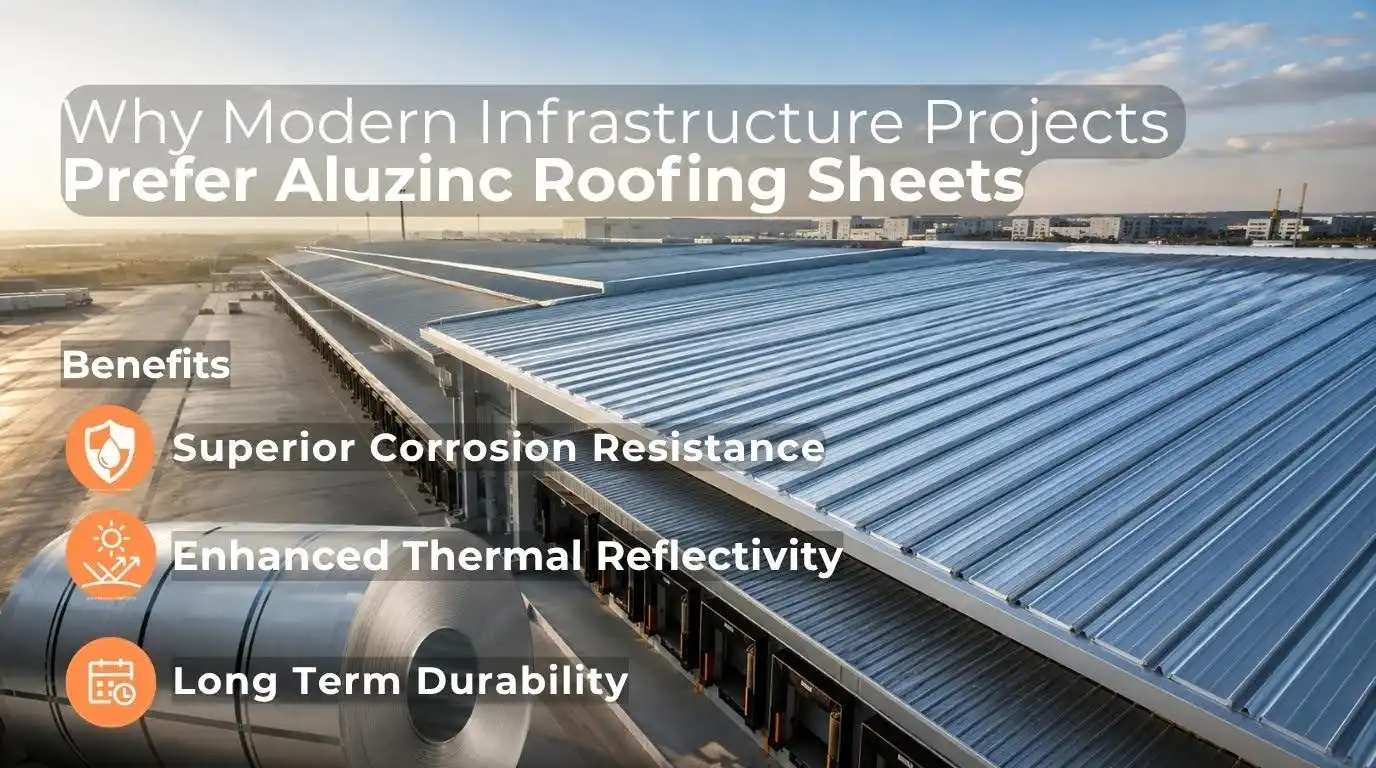
Infrastructure developments, commercial establishments, and institutional buildings depend on roofing sheets for quick installation, uniformity, and lasting performance. Strong production capabilities and widespread availability support these projects with dependable supply, technical consistency, and assured quality.
Advantages of Modern Roofing Sheets
Roofing sheets offer an extensive set of advantages that contribute to their growing acceptance across India.
-
Strength, Durability & Weather Resistance
Modern roofing sheets are engineered to endure severe climatic conditions, including storms, heavy rainfall, strong winds, and elevated temperatures. Advanced Al-Zn coatings enhance corrosion resistance, ensuring sustained performance with limited maintenance requirements. Their structural consistency makes them compatible with diverse building types.
-
Aesthetic Appeal & Design Flexibility
Colour-coated sheets enrich the visual character of buildings through refined finishes and versatile colour options. Their smooth, uniform appearance aligns with both modern and traditional architectural styles, enabling seamless integration into a wide range of design concepts.
-
Thermal Efficiency & UV Protection
Galvalume and GL sheet variants reflect solar heat effectively, supporting improved indoor comfort. Their UV-resistant coating systems help maintain surface appearance by preventing fading, chalking, and early deterioration.
-
Lightweight & Easy Installation
These sheets offer a strong combination of lightweight structure and high durability. Their design enables efficient installation, reduces labour time, and minimises structural load. This efficiency is particularly beneficial in large-scale or time-sensitive projects.
How to Choose the Right Roofing Sheet?
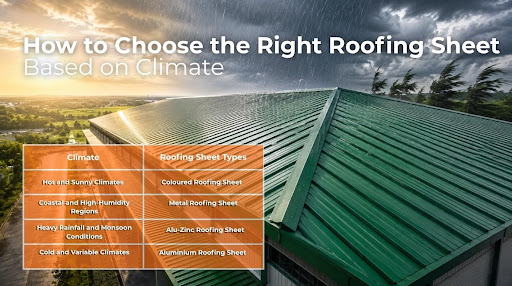
Selecting the right roofing sheet requires detailed assessment of environmental exposure, structural needs, and performance expectations.
The ideal roofing sheet depends on climate conditions, installation environment, thickness requirements, coating technology, and design objectives. Colour coated sheets are suitable for residential and commercial structures that value aesthetics.
Galvalume and GL sheets provide enhanced protection in zones prone to corrosion, such as coastal or industrial regions. Evaluating warranty coverage, brand reliability, and maintenance needs ensures a sound and informed roofing decision.
Learn More
Conclusion
Roofing sheets have transformed the standards of durability, architectural refinement, and environmental resilience across India’s construction landscape. Above mentioned options deliver dependable protection against heavy rainfall, storms, UV exposure, and prolonged heat. Their wide adaptability enables them to support residential, commercial, and industrial structures with consistency and long-term value.
As advancements in coating technology and manufacturing processes continue, roofing sheets offer increasingly refined performance and aesthetic quality. By selecting materials based on climate, application, and proven brand expertise, decision makers can secure roofing solutions that provide lasting reliability and visual harmony.
Written and Verified by:

SEL Tiger
Bio: SEL Tiger Roofing Sheets manufactures roofing sheets using advanced technology for industrial, commercial and domestic requirements. SEL Tiger Roofing Sheets supplies colour coated and Alu-Zinc coated sheets that offer superior strength, weather resistance, corrosion resistance and long-lasting value for every project.