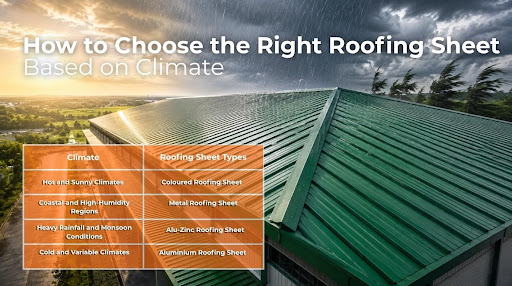


Choosing a roofing material is not simply a design decision but a structural commitment that affects safety and durability also the long-term property value. A roof must resist heavy rain, high temperatures, wind pressure, and environmental pollutants year after year.
This guide compares major roofing sheet types and all the details that you will need to know with a structured comparison table to help make the right choice.
Overview of Roofing Sheets Types
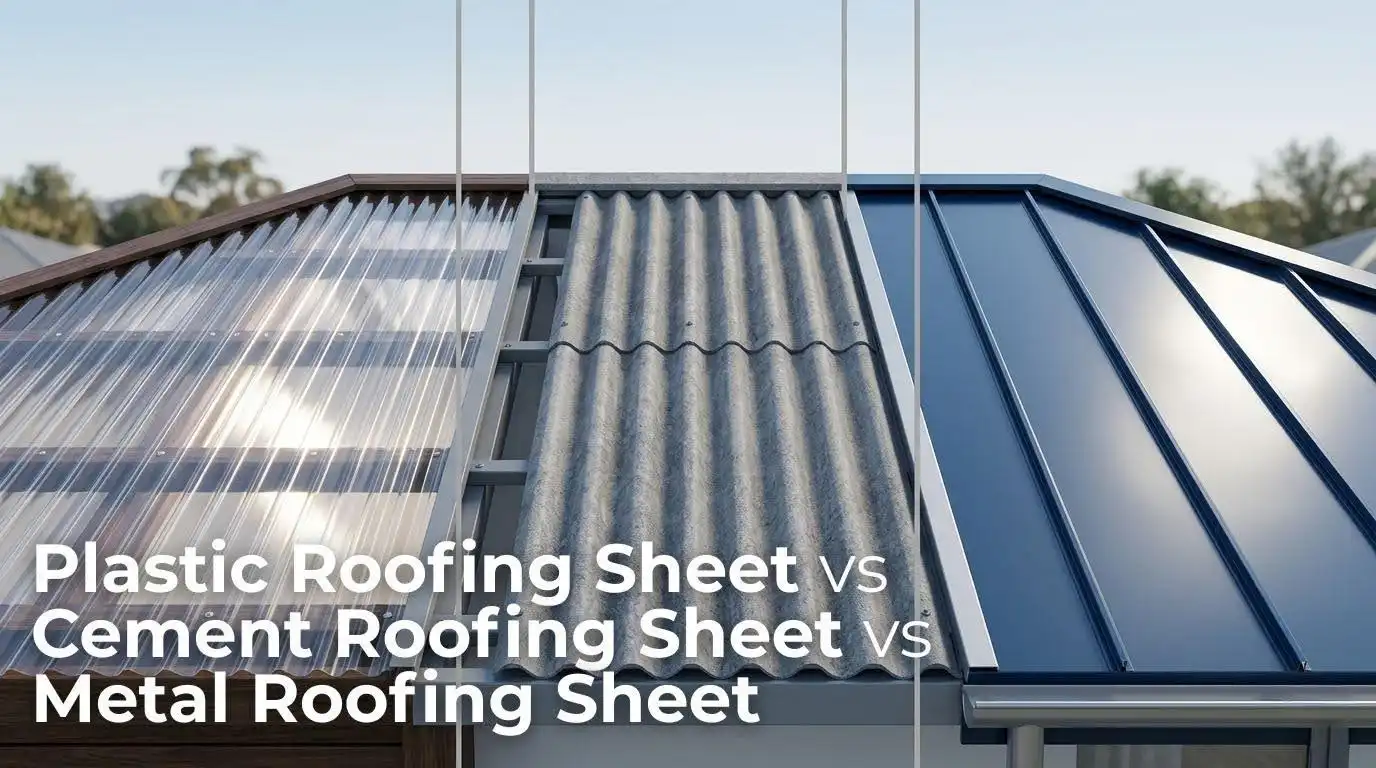
Roofing sheets types can generally be grouped into three widely used categories: plastic, cement, and metal. Each material has its own structural characteristics and lifespan expectations also installation requirements.
- Plastic Roofing Sheet: Lightweight and economical, typically used in temporary or semi-permanent applications.
- Cement Roofing Sheet: Solid and fire-resistant, known for insulation and strength.
- Metal Roofing Sheet: Engineered steel sheets designed for durability, corrosion resistance, and long service life.
Understanding these differences at a foundational level makes it easier to evaluate which roofing system aligns with your building’s structural and environmental needs.
Plastic Roofing Sheet
Plastic roofing sheets are commonly manufactured using PVC, polycarbonate, or similar thermoplastic materials. They are widely used for patios, sheds, greenhouses, and light commercial structures where minimal load-bearing capacity is required.
Key Characteristics and Advantages
- Lightweight and simple to transport
- Cost-effective for short-term or auxiliary structures
- Naturally resistant to moisture and rust
- Available in translucent options that allow natural daylight
Where affordability and simplicity are priorities these features make plastic roofing sheets practical for non-permanent roofing needs.
Cement Roofing Sheet
Cement roofing sheets, often composed of fiber-reinforced cement, combine strength with fire-resistant properties. They are frequently used in agricultural buildings, storage units, and certain residential applications.
Key Characteristics and Advantages
- Strong thermal insulation
- High fire resistance
- Resistance to biological growth
- Suitable for heavy-duty roofing applications
These benefits make cement roofing sheets appropriate for buildings where fire safety and internal temperature control are significant concerns.
Metal Roofing Sheet
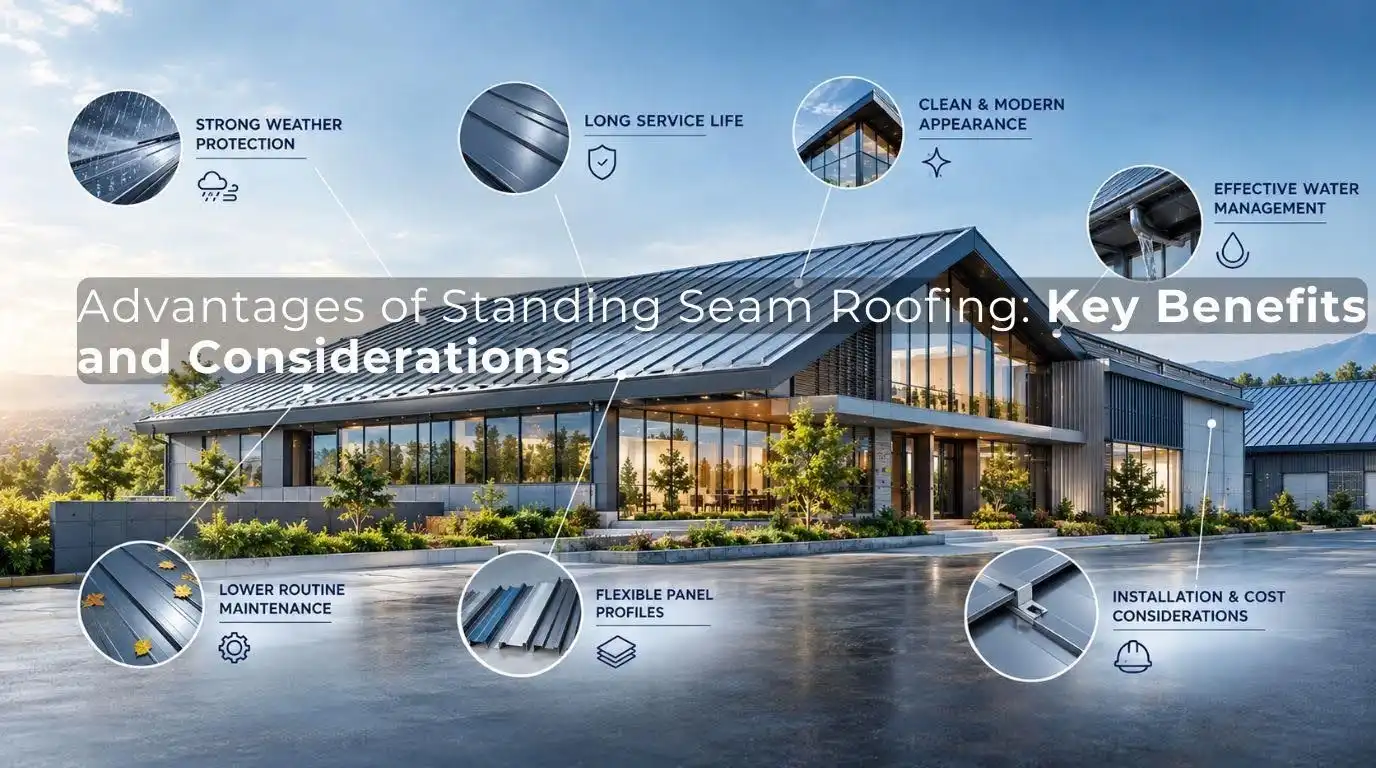
Metal sheet is engineered from steel and enhanced with advanced protective coatings to deliver superior strength and longevity. Modern manufacturers produce coated variants that offer corrosion resistance and aesthetic flexibility.
Key Characteristics and Advantages
- Long service life compared to plastic and cement sheets
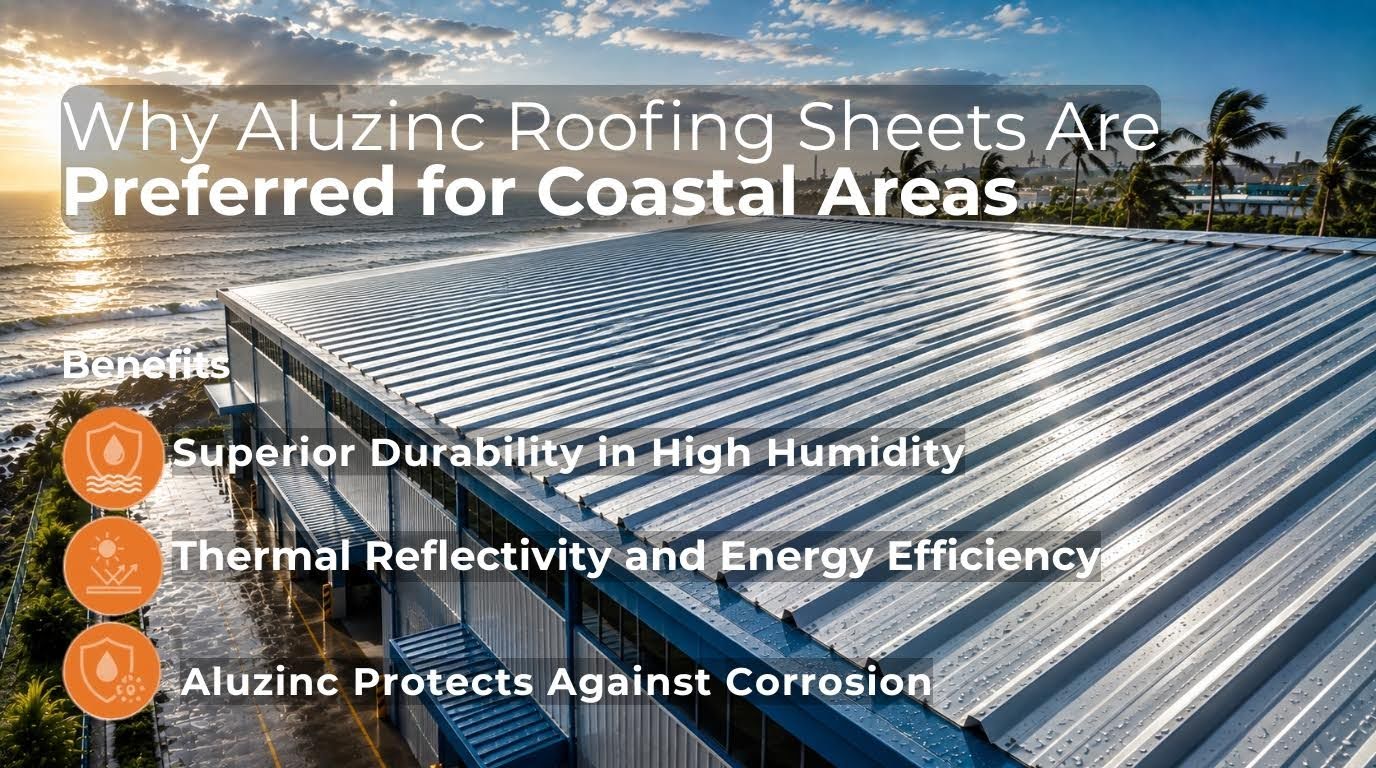
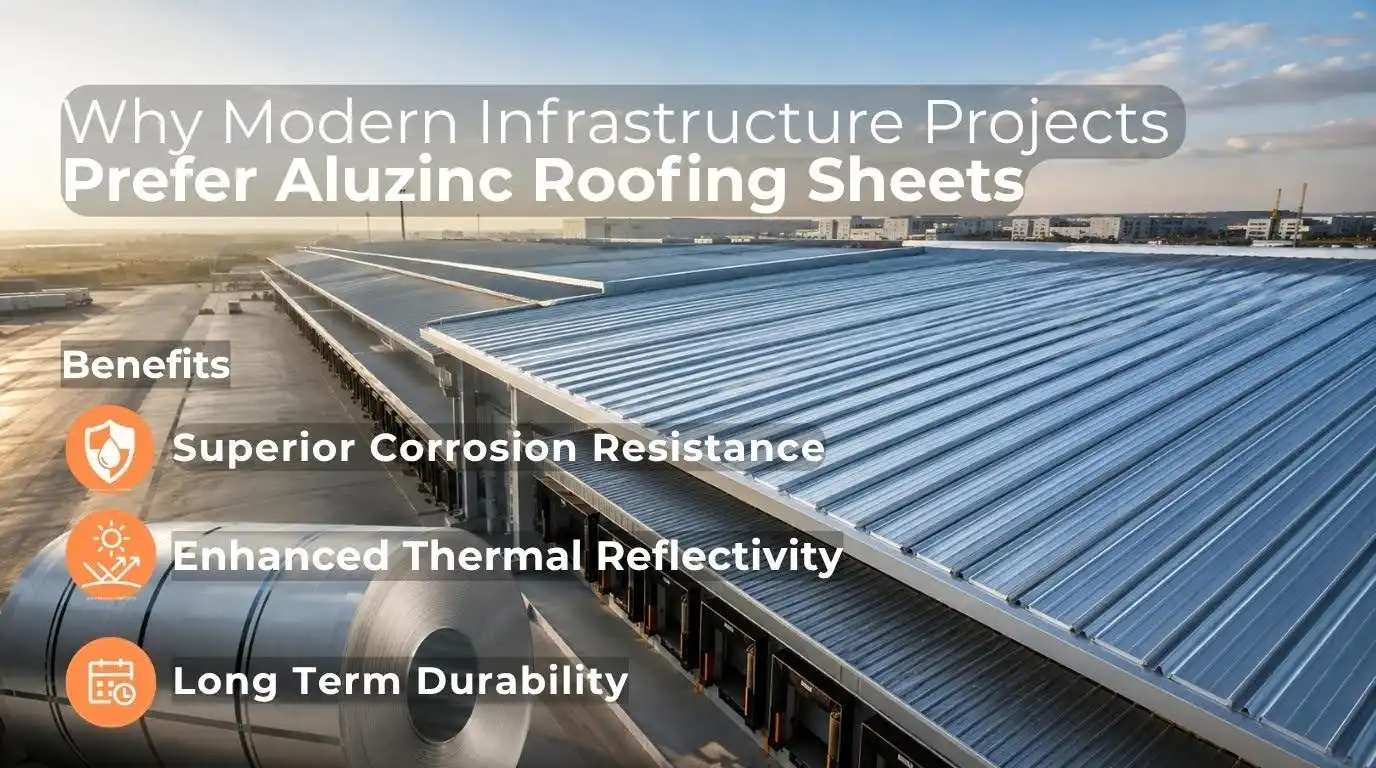
- Excellent resistance to corrosion and environmental stress
- Lightweight yet structurally strong
- Available in colour coated, Galvalume, and aluzinc sheet options
These characteristics make metal sheet systems suitable for projects requiring long-term durability and performance consistency.
Roofing Sheets for Different Applications
| Application | Recommended Roofing Sheet | Key Advantages | Limitations |
|---|---|---|---|
| Temporary shelters & patio covers | Plastic sheets | Lightweight, affordable, easy to install | Lower durability, limited insulation |
| Agricultural or insulated buildings | Cement sheets | Fire-resistant, good thermal insulation, durable | Heavy, more difficult to install |
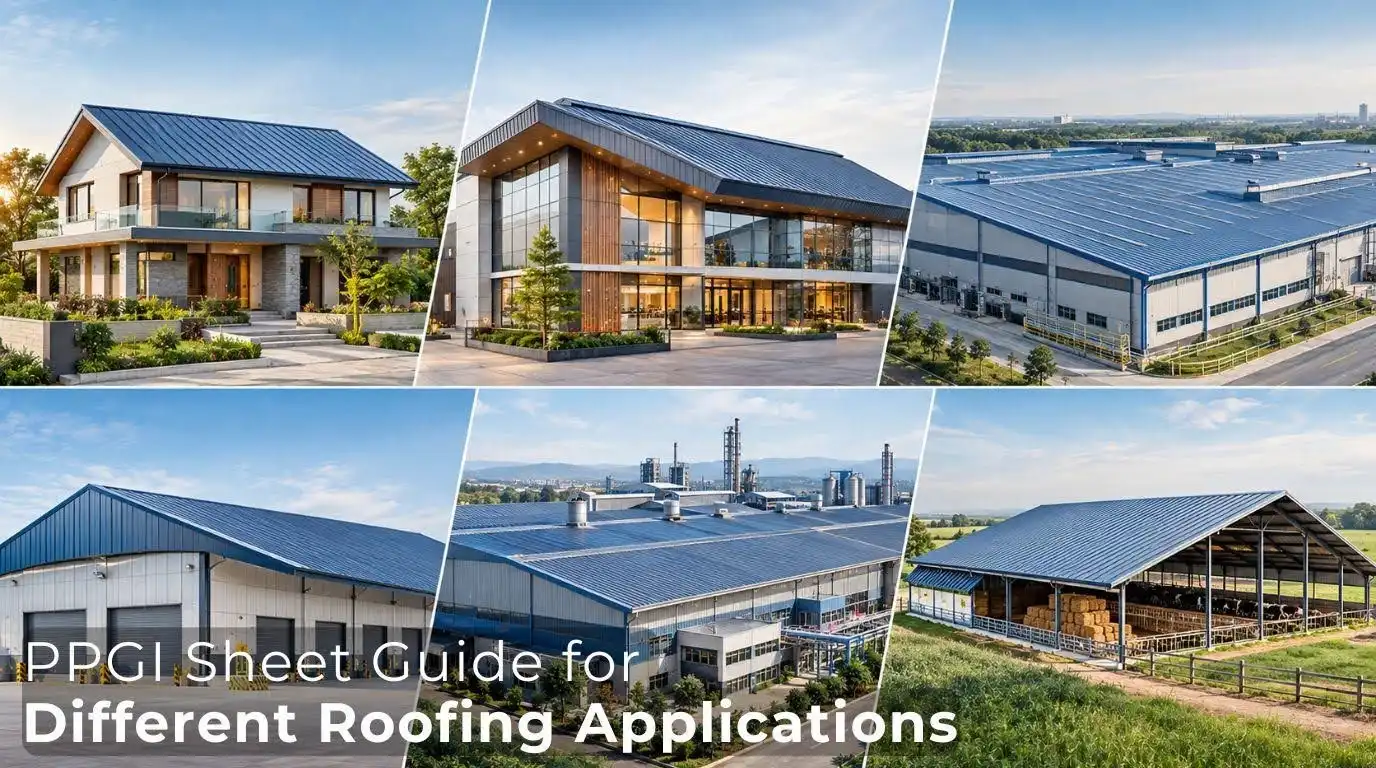
| Residential & commercial projects | Metal sheets | Strong, weather-resistant, long lifespan, stable | Can be noisy, may require coating |
Different roofing materials are designed to meet specific functional needs. Plastic sheets are suitable for short-term or low-cost applications, cement sheets work well where insulation and fire safety are priorities, and metal sheets are ideal for long-term residential and commercial use due to their strength and durability. Choosing the right material ensures better performance, safety, and cost-efficiency over time.
Comparison Table: Plastic vs Cement vs Metal Roofing Sheet
| Feature | Plastic Roofing Sheet | Cement Roofing Sheet | Metal Roofing Sheet |
|---|---|---|---|
| Weight | Very lightweight | Heavy | Lightweight |
| Durability | Low to moderate | Moderate | High |
| Lifespan | 5–10 years | 10–20 years | 15–30 years |
| Weather Resistance | Moderate | Good | Excellent |
| Fire Resistance | Low | High | High |
| Installation Process | Simple | Complex | Moderate, requires precision |
| Maintenance | Higher over time | Moderate | Low |
| Structural Strength | Low | Moderate | High |
| Best Application | Temporary structures | Insulated buildings | Residential & commercial |
Key Performance Considerations
When evaluating roofing sheets types, several practical considerations guide the final decision.
- Expected lifespan and durability
- Exposure to harsh weather conditions
- Structural load capacity
- Installation complexity
- Long-term maintenance requirements
While plastic sheets may offer short-term savings and cement sheets provide insulation advantages, metal roofing sheets deliver the most balanced combination of strength, longevity, and weather resistance.
Conclusion
Choosing between plastic roofing sheet, cement roofing sheet, and metal sheet options requires thoughtful evaluation of performance, structural load, installation requirements, and climate exposure. Plastic sheets are convenient and economical for temporary structures but have clear durability limitations. Cement sheets offer strong insulation and fire resistance but demand greater structural support.
For projects where long-term durability and reduced maintenance are priorities, engineered metal roofing systems consistently offer dependable performance and structural confidence.
Written and Verified by:

SEL Tiger
Bio: SEL Tiger Roofing Sheets manufactures roofing sheets using advanced technology for industrial, commercial and domestic requirements. SEL Tiger Roofing Sheets supplies colour coated and Alu-Zinc coated sheets that offer superior strength, weather resistance, corrosion resistance and long-lasting value for every project.